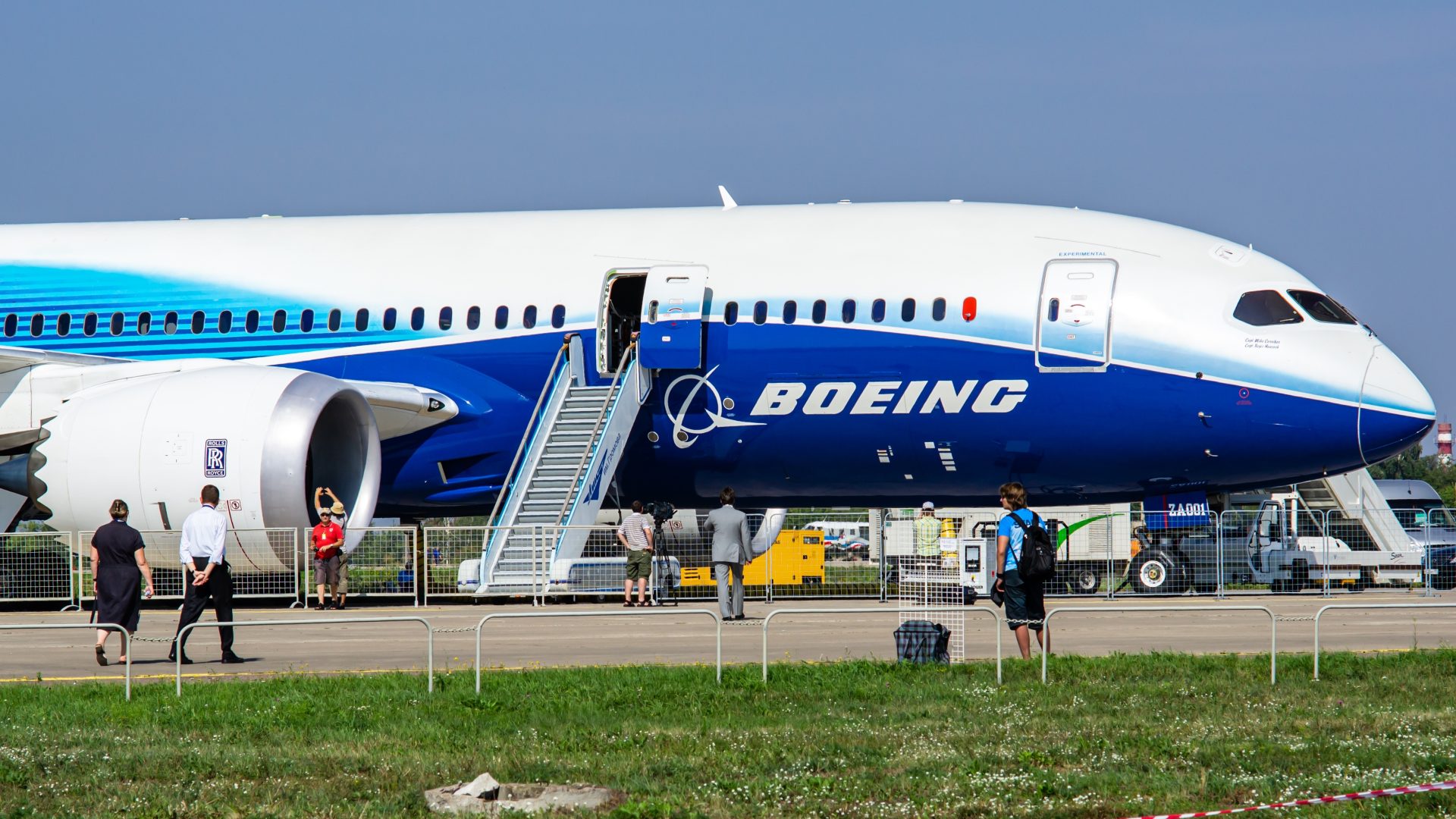
Lufthansa, Air China, Korean Air and Rossiya are the only carriers still flying the jumbo jet.
The Boeing 747 is quietly disappearing from the skies. Once the backbone of international aviation, the four-engine jumbo jet is now operated by just four passenger airlines in the world, and even that number is shrinking. If flying one is on your bucket list, the window is closing.
Here is where the 747 still flies in 2026, what a ticket costs, and how much longer each airline plans to keep it.
Lufthansa — the last true 747 loyalist
Lufthansa remains by far the world’s largest operator of passenger 747s, with 19 747-8s and eight 747-400s all based at its Frankfurt hub. It was the launch customer for the 747-8 and has built the type into the backbone of its long-haul connecting bank. The 747-8 flies to destinations across North America, South America, Asia and South Africa this summer, including Buenos Aires, São Paulo, Tokyo, Johannesburg, Chicago, Los Angeles, Newark and San Francisco. The older 747-400s cover Boston, Houston, Toronto, Vancouver, Singapore and Bengaluru.
The experience is worth the fare if premium travel is the goal. First class on the 747-8 starts around $8,000 one-way and can exceed $16,000. Business class runs $3,500 to $7,000, while premium economy can be found for under $1,000 on some routes. The 747-400s lack first class, so the 747-8 is the one to book for the full four-cabin experience.
The fleet will shrink further. Two 747-8s were sold to the US Air Force, which is using them for pilot training and as a spare parts reserve for Air Force One given the similar airframe. The 747-400s are expected to retire by around 2028, replaced eventually by the Boeing 777-9 — if Boeing delivers them on time.
Air China — mostly domestic, with three international routes
Air China operates two 747-400s and five 747-8s in commercial passenger service, with two additional 747-8s reserved for VIP government transport. The 747-400s are used almost entirely on high-demand domestic Chinese routes. The 747-8s handle both domestic flying and three international routes out of Beijing: Frankfurt, New York JFK and Washington-Dulles.
Those US routes are among the longest 747 flights in the world, and Air China prices them accordingly. First class on the Beijing-to-US routes runs $14,000 to nearly $20,000 one-way, with business class typically between $4,000 and $6,000. Premium economy can be found for under $2,000, though it uses the same seat as economy — just with more legroom.
Korean Air — the best onboard product, for now
Korean Air flies four 747-8s in passenger service, after selling five others to the US Air Force in 2024. The type operates primarily between Seoul Incheon and Los Angeles, with occasional service to Tokyo and Osaka. Korean Air plans to retire the 747 by around 2031, though ongoing delays in Boeing 777-9 certification may push that timeline back, as the airline has 40 on order with no delivery date confirmed.
For now, those four jets offer arguably the best 747 cabin product flying. First class features six Kosmo Suite 2 suites in the nose of the aircraft, each with a sliding door and ottoman. Business class offers 48 Prestige Suites with direct aisle access across the main and upper deck. One-way business class from Seoul to Los Angeles runs $2,000 to $4,000. First class departing from the US starts above $14,000, but originating in Seoul it can drop to around $4,100, nearly matching business class pricing from the other direction.
Rossiya — the one almost nobody can book
Rossiya Airlines, part of Russia’s Aeroflot Group, operates six 747-400s, making it the world’s third-largest passenger 747 operator by fleet size ahead of Korean Air. The catch is that Western sanctions effectively bar the airline from international routes, so all six jets serve domestic Russian destinations including Moscow to Magadan, Khabarovsk and Blagoveshchensk.
The aircraft are configured in a density-first layout with 12 business class seats and 510 economy seats. They are not modern, but they fly. For any traveler without Russian citizenship and a domestic need, these planes are essentially inaccessible.
The clock is ticking
The 747’s commercial passenger era is winding down not because the plane is unreliable, but because four-engine jets are simply more expensive to operate than modern twinjets like the Airbus A350 or Boeing 787, which can fly nearly as far with far less fuel. Cargo airlines will keep the 747F flying for years to come — there is no nose-door freighter replacement in service yet — but the passenger version is on borrowed time.
For anyone wanting to fly one, Lufthansa’s network offers the widest access, with dozens of departures a week from Frankfurt to cities across several continents. Korean Air is the choice for the premium experience. Either way, the advice from aviation watchers is simple: do not wait.
Source: The Atlantic