PM Modi in G7 Summit Demands Seafarers Safety After 3 Indian Mariners Killed in Iran Conflict
PM Modi in G7 Summit Demands Seafarers Safety After 3 Indian Mariners Killed in Iran Conflict
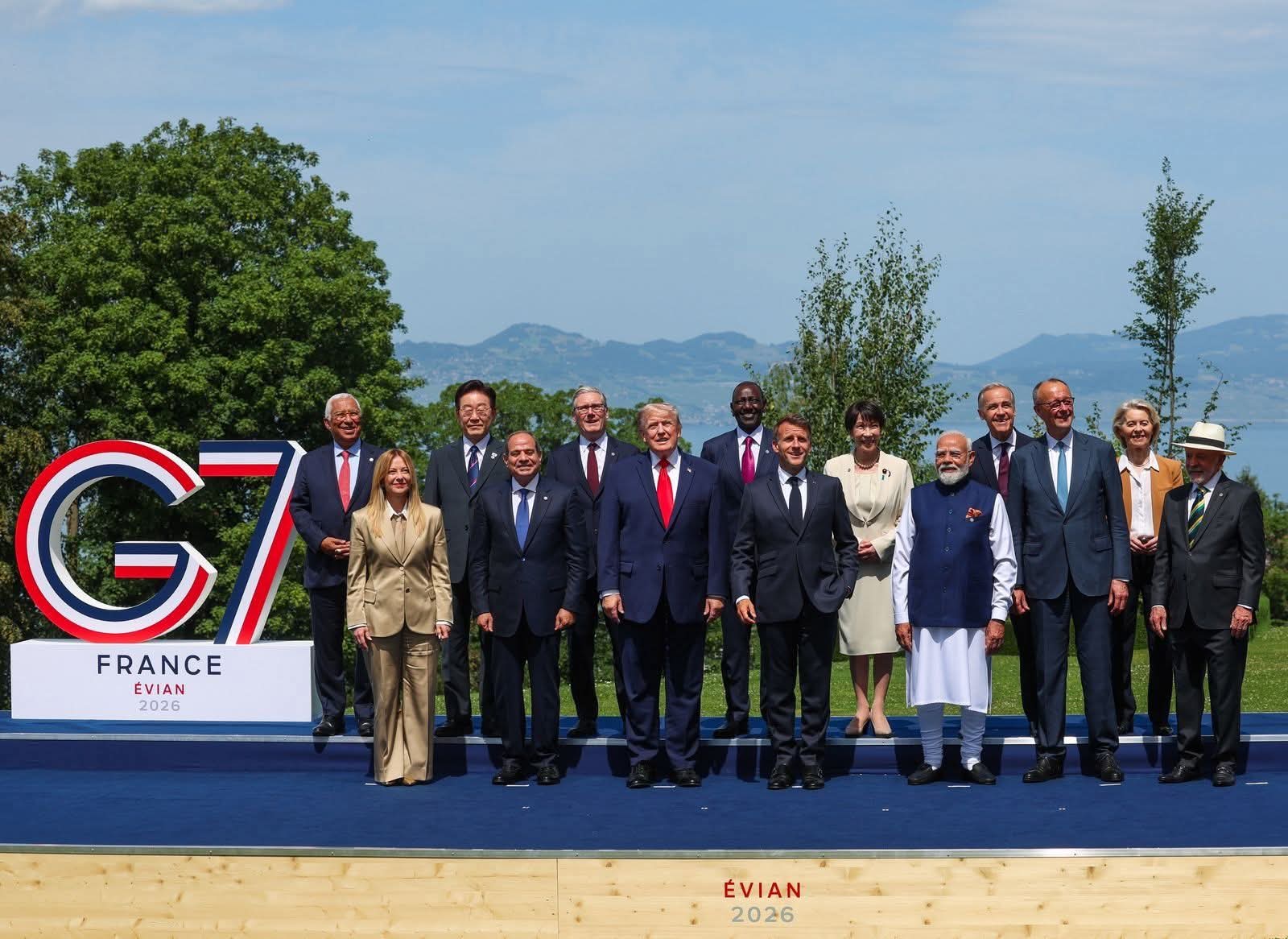
New Delhi: In a powerful and assertive address at the G7 Summit 2026, Prime Minister Narendra Modi has emerged as a strong voice for global maritime security. PM Modi in G7 Summit urged world leaders to prioritize the safety of seafarers, directly highlighting the tragic loss of three Indian mariners in a recent US military strike in the Gulf of Oman amid escalating Iran tensions. This bold intervention comes at a critical time when disruptions in key maritime routes are threatening global trade and Indian lives.
The Prime Minister’s remarks at the outreach session in Evian-les-Bains, France, on June 16, 2026, resonated deeply with international observers. Addressing leaders including US President Donald Trump, Modi emphasized that maritime routes must remain secure so seafarers can perform their duties without fear. His comments gained massive attention as they arrived just days after the killing of three Indian crew members aboard merchant vessels targeted in US actions against Iranian ports.
Background of the Tragic Incident
According to reports, the US Central Command conducted operations to disable three vessels — Marivex on June 8, Settebello on June 9, and Jalveer on June 11 — claiming they were attempting to violate the US blockade of Iranian ports. The strike resulted in the unfortunate deaths of Indian mariners, sparking widespread anger and concern across India. PM Modi in G7 Summit used this platform to bring the human cost of these conflicts into sharp focus.
India has a massive seafaring community contributing significantly to global maritime trade. Thousands of Indian seafarers work on international vessels, making their safety a national priority. The loss of even a single life is devastating, and the recent incident has amplified calls for stronger diplomatic efforts to protect them.
Modi’s Strong Message at G7 Summit 2026
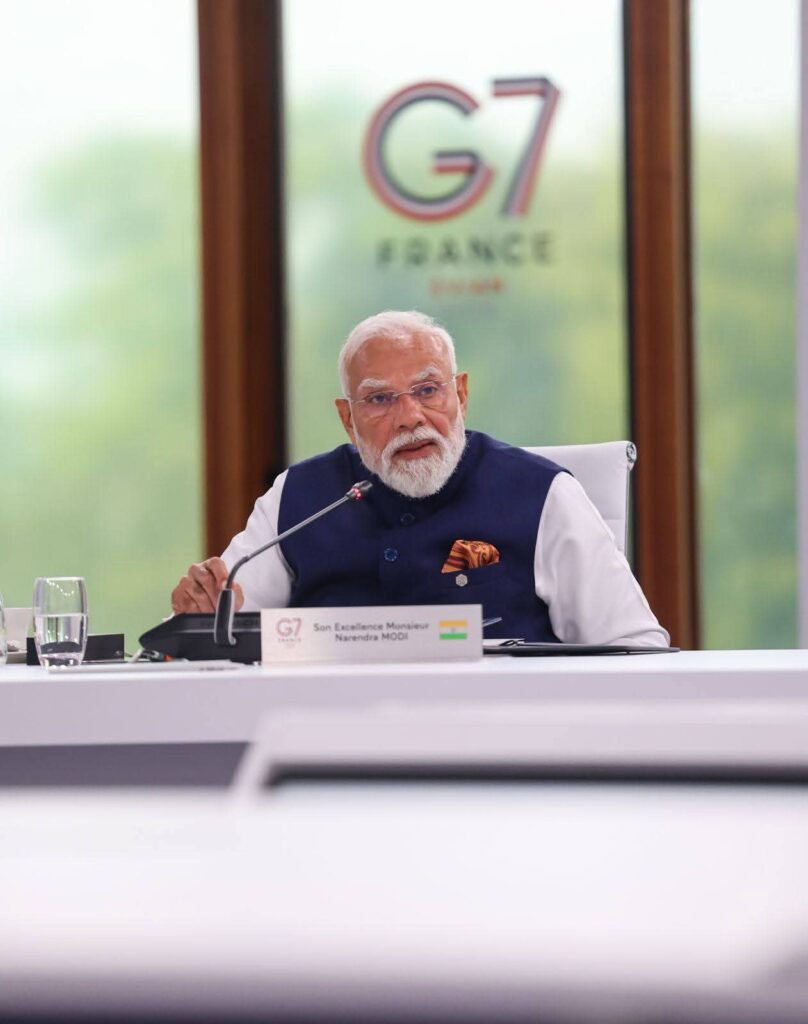
In his address during the session titled ‘Forging New Partnerships and Rebuilding International Solidarity,’ PM Modi stated: “It is our responsibility to ensure the safety of the seafarers who connect all nations through global maritime trade. We must ensure that maritime routes remain secure and that seafarers can perform their duties without fear.”
He also noted the disruptions to maritime trade in the Strait of Hormuz, a critical chokepoint for global energy supplies. Any conflict in this region, particularly amid the ongoing Iran-related tensions, severely impacts the world economy and especially nations like India that rely heavily on these routes for oil imports and exports.
Modi welcomed progress in peace efforts in West Asia but stressed the need for dialogue, diplomacy, and respect for international law. He pointed out that the conflict has caused loss of life and property in friendly countries in the region. This balanced yet firm approach showcases India’s commitment to peace while protecting its interests and citizens.
Bilateral Engagements and Broader Diplomacy
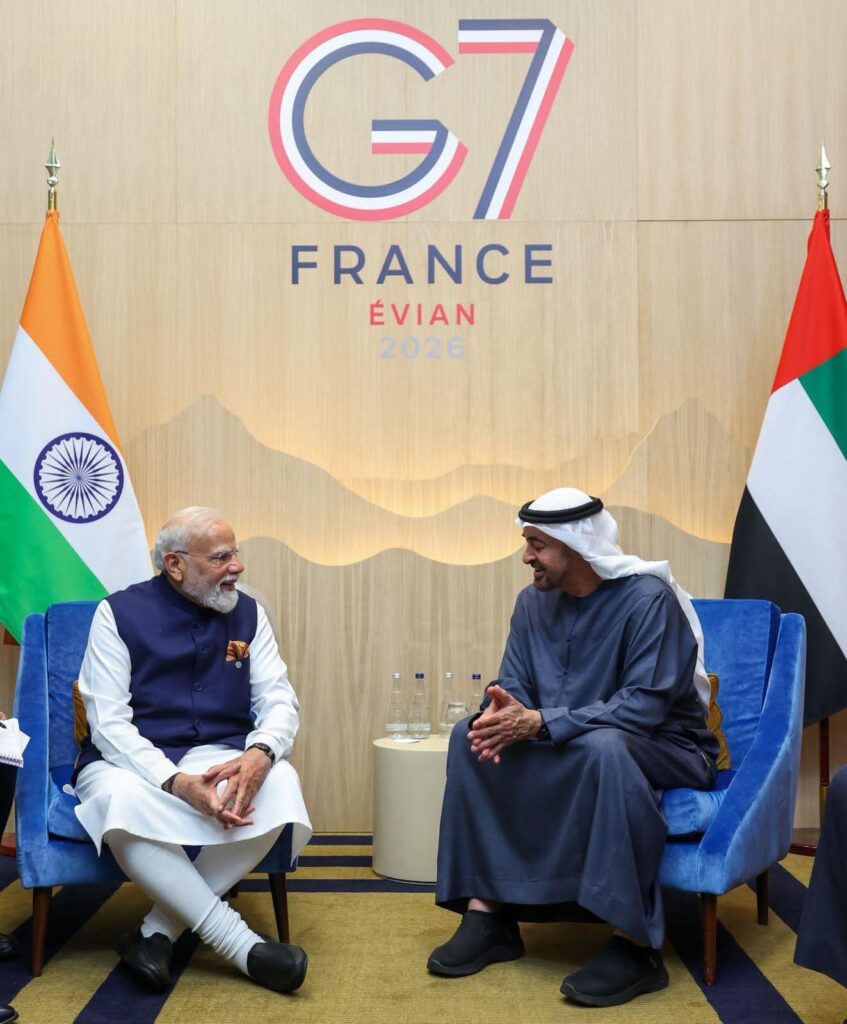
On the sidelines of the G7 Summit, PM Modi held crucial bilateral talks. In his meeting with UAE President Sheikh Mohamed bin Zayed Al Nahyan, both leaders underscored the importance of free, safe, and unimpeded navigation through the Strait of Hormuz. They called for continued dialogue and diplomacy to achieve enduring peace and stability in West Asia.
Modi also invited the UAE President to the upcoming BRICS Summit to be hosted by India later this year, further strengthening multilateral ties. These engagements highlight India’s growing role as a bridge between Global South nations and major world powers.
Additionally, PM Modi discussed ways to boost bilateral cooperation with UK Prime Minister Keir Starmer, demonstrating India’s proactive diplomacy on multiple fronts during the summit.
Why Seafarers Safety Matters: Economic and Human Impact
The global shipping industry depends on millions of seafarers, with Indians forming one of the largest groups. Disruptions in the Strait of Hormuz and Gulf of Oman directly affect energy prices, supply chains, and inflation worldwide. For India, a major importer of crude oil, secure maritime routes are vital for economic stability.
The recent US strikes linked to Iran tensions have raised serious concerns about escalation. Public anger in India is growing, with demands for accountability and stronger protection measures for Indian nationals working in conflict-prone areas. PM Modi in G7 Summit has successfully internationalized this issue, putting pressure on global leaders to act responsibly.
Experts believe that such incidents could deter Indian youth from joining the merchant navy, affecting a key employment sector. The government is expected to engage with international maritime organizations and shipping companies to enhance safety protocols, insurance coverage, and evacuation plans for seafarers.
Geopolitical Context: Iran Tensions and Global Response
The broader context involves heightened tensions between the US and Iran, with ripple effects across West Asia. While the US has imposed blockades and conducted strikes, nations like India are calling for de-escalation and respect for sovereignty. China has reportedly appreciated Pakistan’s role in mediation efforts between the US and Iran, adding another layer to the complex diplomacy.
PM Modi stressed that in today’s interconnected world, trust is the most important strategic asset — more valuable than minerals, technology, or markets. He warned against the misuse of trade and technology for narrow interests, which creates trust deficits. His vision aligns with India’s philosophy of Vasudhaiva Kutumbakam — the world is one family.
India’s Leadership in Global Forums
Hosting the G20 previously and now actively shaping discussions at G7, India under Modi continues to champion the concerns of the Global South. Developing nations aspire to be equal partners in global development rather than mere spectators. Modi’s address highlighted how energy, food, health, cyber, and economic security are intertwined, making international partnerships essential.
The G7 Summit 2026 provides a vital platform for emerging powers like India to influence outcomes on pressing global issues, including maritime security amid Iran war-like situations.
Public Reaction and Future Outlook
The news of PM Modi raising the issue of the three Indian mariners has been widely appreciated in India. Opposition parties and seafarer unions have also called for stronger government action. The Ministry of External Affairs is likely to pursue the matter vigorously through diplomatic channels.
Looking ahead, India is expected to enhance its naval presence in the region for protection of its interests and continue pushing for peaceful resolution of conflicts in West Asia. Bilateral ties with the UAE, a key partner, will play a crucial role in stabilizing maritime trade.
This decisive intervention by PM Modi in G7 Summit not only addresses an immediate humanitarian concern but also reinforces India’s image as a responsible global leader committed to peace, security, and the welfare of its citizens abroad.
As the world watches the evolving situation in the Gulf, Modi’s message remains clear: no nation can afford to ignore the human and economic cost of maritime conflicts. Seafarers safety must become a global priority to ensure uninterrupted trade and prosperity for all.