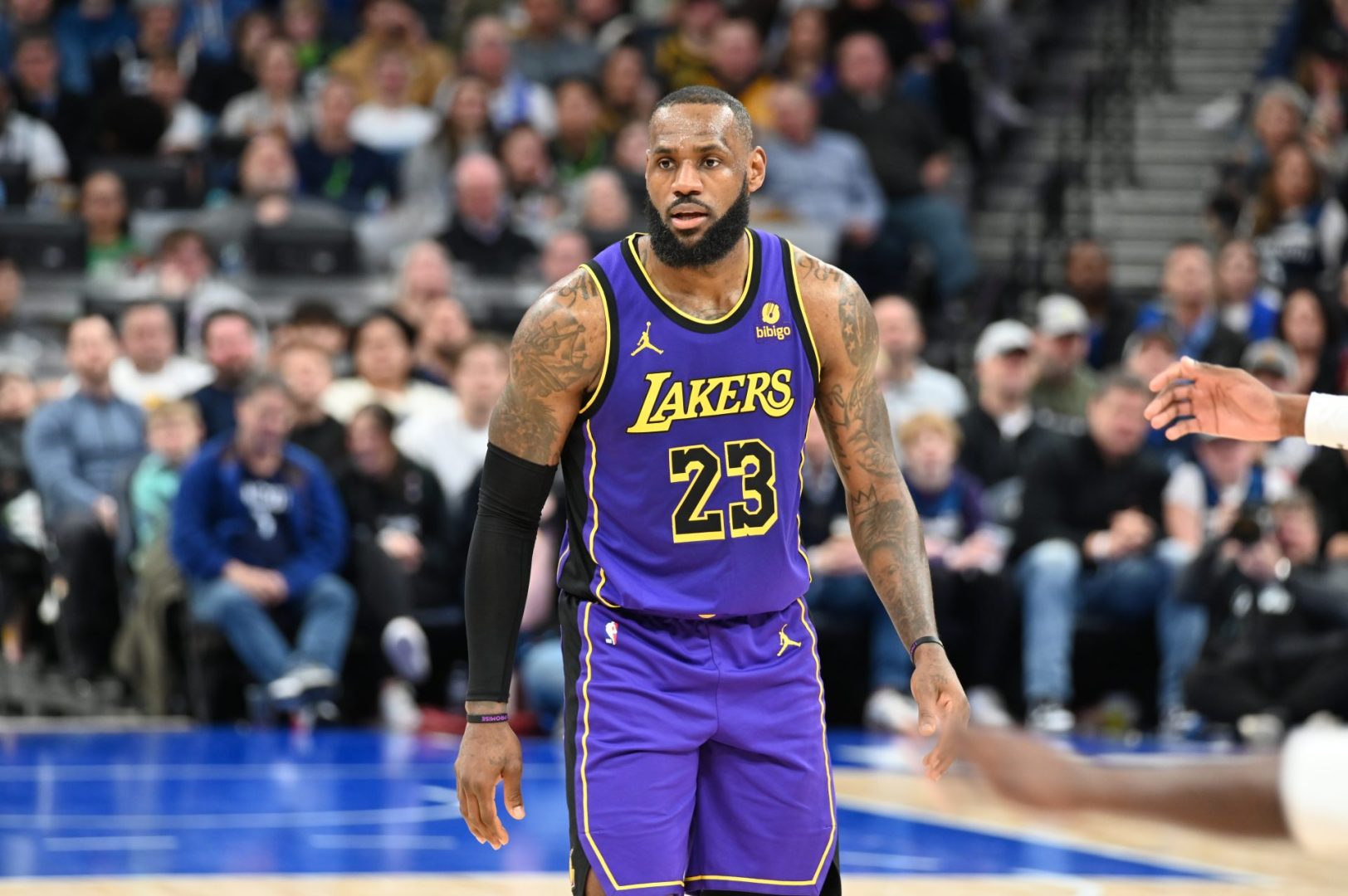
Sports analysts continue to grapple with a question that seems almost absurd in its scope: could LeBron James have built not one, not two, but four separate Hall of Fame careers spanning his time with the Cleveland Cavaliers, Miami Heat, and Los Angeles Lakers? The debate reveals just how extraordinary the basketball legend’s trajectory has been across three decades of professional play.
LeBron James’ multiple legacies
The concept of examining James‘ career across his different franchises provides a fascinating lens on individual greatness. His tenure in Cleveland established him as a franchise cornerstone who delivered a championship while carrying the team through the Eastern Conference. His Miami years represented peak athleticism and versatility, producing multiple championships and Finals appearances that showcased his ability to elevate teammates. His Los Angeles chapter has extended his dominance into his late thirties, proving longevity at an elite level.
Each chapter could theoretically stand alone as Hall of Fame worthy when evaluated independently. The championships, All-Star selections, statistical achievements, and playoff performances across each city paint a picture of sustained excellence that transcends typical career arcs. This analysis highlights not just James‘ individual talent but also his ability to maintain championship-caliber performance across different team configurations and eras.
Wembanyama’s defensive impact
While James’ legacy continues generating debate, younger stars are making their own marks. Victor Wembanyama’s performance in the Spurs’ series against the Timberwolves demonstrated why the towering forward represents the franchise’s future. His defensive versatility and shot-blocking ability fundamentally altered how the Timberwolves attacked, forcing offensive adjustments that contributed to the Spurs’ success in stifling Minnesota’s scorers.
Wembanyama’s ability to defend multiple positions while maintaining the length and athleticism necessary for elite rim protection creates matchup nightmares for opponents. His dominance in this series provided a glimpse into the potential that scouts identified when San Antonio selected him.
The struggle and rise of playoff performers
Julius Randle’s postseason struggles stand in stark contrast to his regular-season contributions. The power forward has found consistency elusive when games matter most, a pattern that raises questions about his ability to elevate his performance in championship moments. This inconsistency represents a significant concern for teams relying on his production during playoff runs.
In contrast, rookie Dylan Harper has impressed during his early playoff appearances, suggesting the next generation of players is prepared for postseason intensity. Harper’s rapid development offers optimism for his franchise’s future and demonstrates that playoff basketball does not automatically overwhelm young talent with preparation and poise.
76ers’ front office uncertainty
The Philadelphia 76ers face significant questions following Daryl Morey’s exit from the general manager position. Morey’s departure creates uncertainty regarding the franchise’s direction with Joel Embiid entering his prime and Paul George seeking to establish his legacy with a contender. Front office changes of this magnitude often signal broader strategic shifts that can impact roster construction and player morale.
The timing of Morey’s exit, coming during the postseason, adds complexity to the situation. Stability in leadership becomes particularly important when teams are competing for championships, and sudden changes can create disruption that extends beyond the immediate season.
What it all means
These storylines intersect to paint a picture of basketball at multiple levels. James‘ enduring excellence raises the ceiling for what sustained greatness can look like. Wembanyama’s defensive dominance suggests the future of positional basketball. Randle’s inconsistency and Harper’s rise remind us that playoffs expose true character. And the 76ers’ front office situation underscores how organizational stability matters as much as individual talent in championship pursuit.
Source: Based on “The Big Number” podcast featuring Tom Haberstroh and Dan Devine, May 13, 2026.