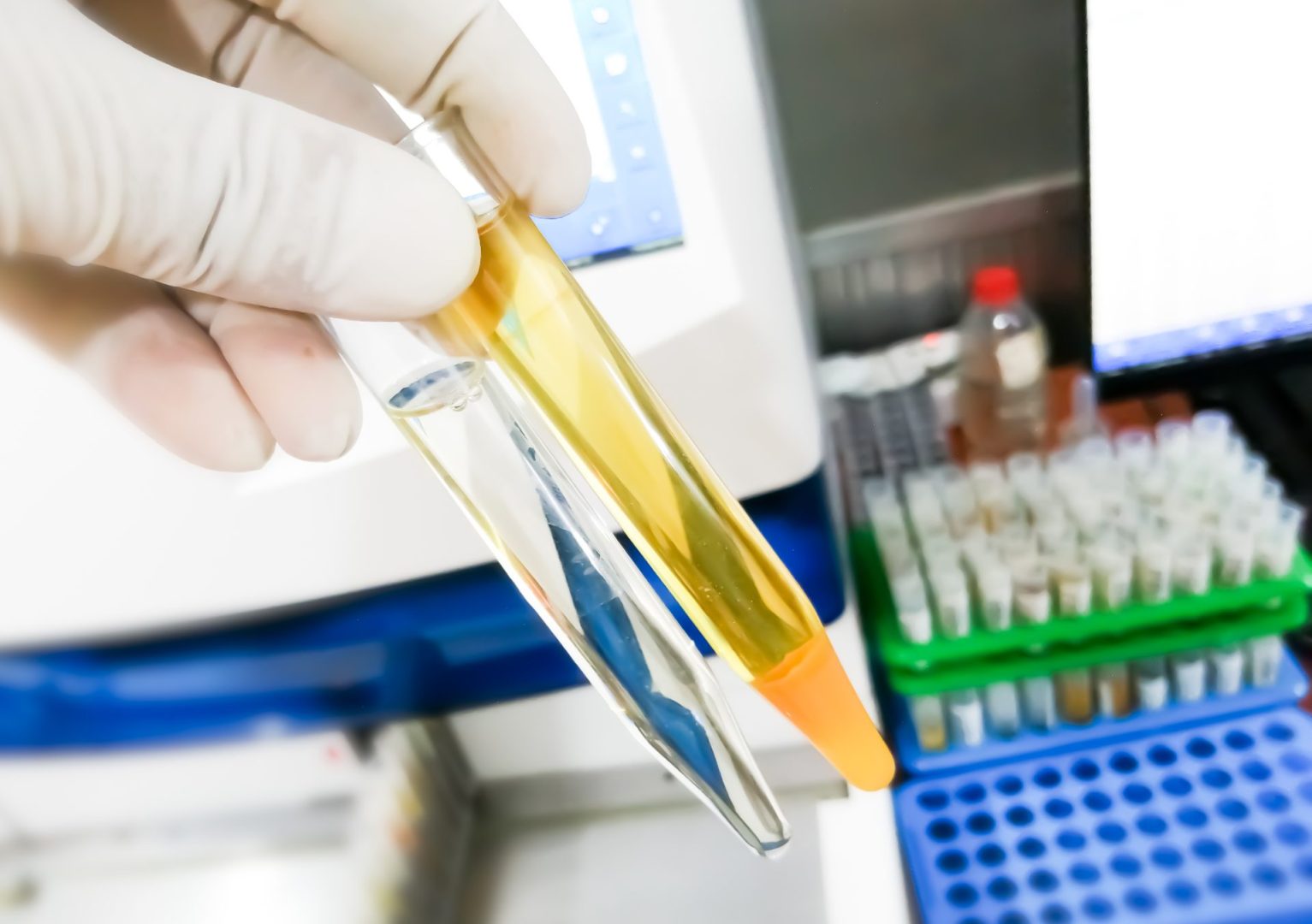
You probably don’t pay attention to your urine color. Most people glance briefly and move on. But doctors specifically ask about urine color during appointments because it provides immediate insights into serious health conditions developing silently. Your morning pee especially tells a detailed story about what’s happening inside your body overnight when you haven’t been drinking fluids.
The color, clarity, and smell reveal problems with your kidneys, liver, and metabolic function long before other symptoms appear. Learning to recognize abnormal colors could literally save your life by catching diseases early when they’re still treatable.
The normal urine colors nobody worries about
Pale yellow to light amber is ideal. This indicates proper hydration and healthy kidney function. Your kidneys are filtering waste efficiently and your body has adequate water. First morning urine is typically darker because it’s more concentrated after hours without drinking, but it should still be some shade of yellow.
Clear, completely colorless urine means you’re drinking too much water. This seems healthy but can actually dilute essential electrolytes dangerously. Athletes who overhydrate during marathons sometimes develop life-threatening conditions from drinking excessive water without replacing salts.
Dark yellow or amber urine signals dehydration. Your kidneys are conserving water and producing highly concentrated urine. Occasional dark urine after sweating isn’t concerning, but consistently dark urine despite drinking adequate fluids suggests kidney problems preventing proper filtration.
The dangerous colors requiring immediate attention
Brown or tea-colored urine indicates severe dehydration or serious liver problems. When your liver isn’t processing bilirubin properly, it spills into urine creating brown discoloration. This happens with hepatitis, cirrhosis, or bile duct obstructions. Brown urine combined with pale stools and yellow skin means you need emergency medical evaluation for liver failure.
Red or pink urine usually means blood, though certain foods like beets can cause harmless pink tinting. Blood in urine signals kidney stones, urinary tract infections, kidney disease, or bladder cancer. Even small amounts of blood require investigation because serious conditions often start with microscopic bleeding.
Orange urine results from severe dehydration, liver problems, or bile duct issues. Certain medications including some antibiotics also cause orange discoloration. But if you’re not taking these medications and your urine stays orange despite drinking water, get liver function tests immediately.
The colors that signal metabolic problems
Cloudy or murky urine indicates infection. Bacteria, white blood cells, and pus make urine lose its normal clarity. Urinary tract infections commonly cause cloudy urine along with burning during urination. Kidney infections produce similar cloudiness but with fever and back pain.
Foamy or bubbly urine that doesn’t dissipate quickly suggests protein leaking into urine. Your kidneys should filter protein back into your bloodstream. Persistent foamy urine indicates kidney damage from diabetes, high blood pressure, or kidney disease. This is an early warning sign before kidney function declines obviously.
Blue or green urine happens with certain bacterial infections or rare genetic disorders. If you haven’t eaten anything unusual and your urine stays these colors, see a doctor immediately.
What to do when colors change
Take photos if your urine looks abnormal. Colors can be hard to describe accurately to doctors, and by appointment time, the color might have changed. Photos provide concrete evidence of what you observed.
Track patterns over several days. One instance of dark urine after sleeping late probably isn’t concerning. But dark urine every morning despite drinking water indicates problems needing investigation.
Don’t ignore persistent changes hoping they’ll resolve. Kidney disease, liver problems, and bladder cancer all show up in urine color before causing pain or obvious symptoms. Early detection makes treatment dramatically more effective.
Consider what you’ve eaten or medications you’re taking. Beets, blackberries, and food dyes cause harmless color changes. Many medications affect urine color temporarily. But if you can’t identify an obvious cause, get medical evaluation.