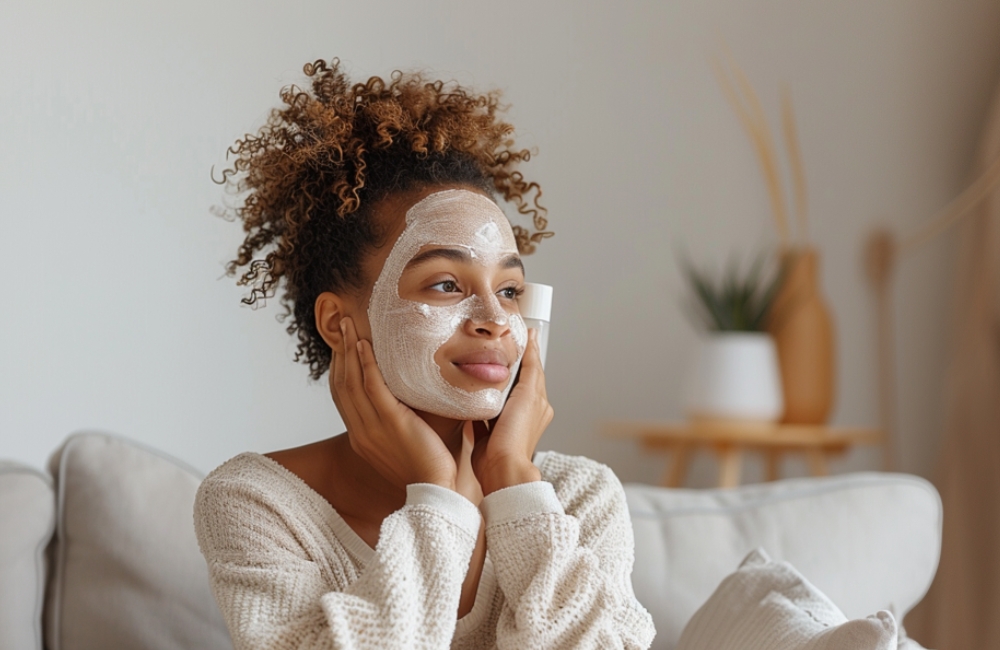
You started a skincare routine to fix a skin problem. Now your skin requires the routine to function. Without the products, your skin gets worse. The products solved the problem while creating dependency on continued use. This isn’t accidental—it’s intentional product design. The beauty industry manufactures problems that its products then solve, creating consumers who feel they need to purchase products indefinitely to maintain basic skin health. This is how skincare business models work, and most people don’t realize they’re trapped in a cycle of causing and treating problems.
Over-exfoliation creates damaged skin that needs repair
The beauty industry pushes exfoliation constantly. Scrubs, chemical exfoliants, microdermabrasion, physical exfoliants—everything emphasizes removing dead skin. Excessive exfoliation damages your skin’s protective barrier. Your skin responds by producing more oil, becoming more sensitive, developing redness, and becoming vulnerable to irritation. Now you have skin problems that didn’t exist before. The solution? More products. Soothing serums, barrier repair creams, healing masks—all targeting the problems created by excessive exfoliation.
Your skin needed maybe one gentle exfoliant weekly. The beauty industry convinced you that aggressive daily exfoliation is necessary. Your skin deteriorates from the over-exfoliation. You purchase products to repair the damage. The cycle perpetuates. Your skin would be healthier with far simpler care, but you’re now dependent on buying products to manage problems caused by using too many products.
Skin cycling is manufactured need
Skin cycling is a viral trend promoting using different products on different days for different purposes. It’s presented as scientific skincare optimization. In reality, it’s a marketing strategy to increase product sales. You’re encouraged to have retinol nights, niacinamide nights, peptide nights, and various other nights. You need multiple products serving different functions on different days. The products cost money. The complexity increases. The dependency on the system grows.
Healthy skin doesn’t actually require cycling through different active ingredients. Healthy skin often responds better to consistency with fewer products. But consistency doesn’t drive sales. Complexity and novelty drive sales. So the beauty industry markets complexity as sophistication and optimization. Consumers buy multiple products believing they’re optimizing, when they’re actually just increasing spending and potentially damaging their skin through excessive treatment.
Retinoid dependency is real and intentional
Retinoids are marketed as miracle anti-aging ingredients. They absolutely do something—they increase skin cell turnover. But increased cell turnover requires your skin to adapt. During adaptation, your skin gets irritated, flakes, becomes sensitive. Users are told this is normal adjustment and to persist. Eventually skin adapts and the benefits appear. Now your skin is dependent on retinoid use. If you stop, your skin reverts to baseline. You’re locked into continued use.
This isn’t a problem with retinoids themselves—they do have actual benefits. The problem is that the beauty industry markets them as essential while downplaying the dependency. You’re encouraged to start using them and to increase concentration, but discontinuation is never discussed. You’re building a product dependency by design. The industry knows you’ll have to keep buying retinoids to maintain the results. That’s the entire business model.
Barrier damage sells repair products
Modern skincare often damages skin’s protective barrier through stripping cleansers, excessive exfoliation, and multiple active ingredients. Damaged barrier skin becomes reactive, sensitive, prone to irritation. The solution is expensive repair products—serums, moisturizers, barrier repair treatments. These products sell because the earlier products damaged skin. The industry manufactures the problem that creates the demand for solutions.
Healthy skin barrier maintenance requires simple care: gentle cleansing, moisturizing, sun protection. It doesn’t require expensive repair products. But damage-and-repair is more profitable than preventative care. So the industry promotes damage-causing routines and then sells the repair products. Consumers end up with sensitized, barrier-damaged skin that requires ongoing expensive treatment to maintain.
Minimal routines actually create healthier skin
The irony is that dermatologists consistently recommend simple skincare: gentle cleanser, moisturizer, sunscreen for healthy skin. Basic, inexpensive, accessible. This routine doesn’t require constant product switching, doesn’t create dependency, and actually works. But it doesn’t drive sales. A person using three products monthly generates far less revenue than someone using fifteen products monthly.
The beauty industry has convinced consumers that simple routines are insufficient, that more is better, that complexity equals sophistication. The result is damaged skin requiring ongoing expensive treatment. Your skin would be healthier with far fewer products. The beauty industry knows this. They profit more from damage than from health.
Breaking the dependency cycle
Stop using products for 30 days and assess your baseline skin. Many people discover their skin improves dramatically when they stop over-treating. Their barrier heals. Their sensitivity reduces. Their oil production normalizes. This is how you learn what your skin actually needs versus what the beauty industry convinced you it needs. Then rebuild slowly with truly minimal products. Cleanser, moisturizer, sunscreen. That’s it. Your skin will be healthier and you’ll spend a fraction of what you were spending on products. The beauty industry won’t like it, but your skin will.