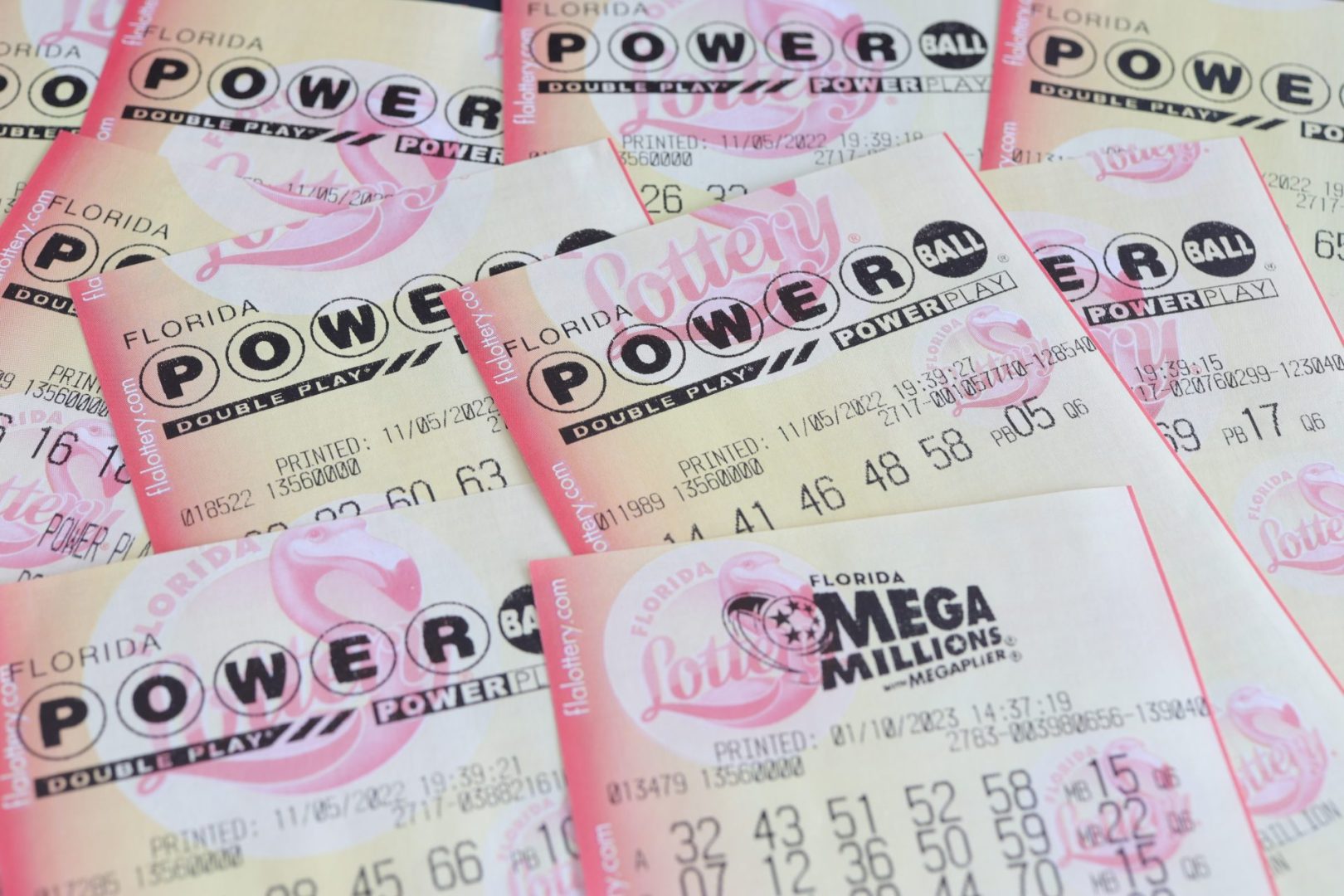
Winning millions in the lottery seems like an instant solution to all financial problems, but roughly 70 percent of lottery winners end up broke within five years of their windfall. This shocking failure rate reveals that money without the knowledge and habits to manage it often creates more problems than it solves. Sudden wealth overwhelms people who lack financial literacy, leading to catastrophic spending decisions, toxic relationships, and psychological pressures that quickly drain fortunes that should have lasted generations.
Understanding what happens when money arrives without skills explains why inherited wealth, legal settlements, and unexpected windfalls so often disappear faster than they accumulated.
What happens when money arrives without skills
Financial literacy develops gradually through earning, budgeting, saving, and managing money over time. People who build wealth slowly learn through experience how to evaluate investments, resist overspending, and make decisions that preserve and grow assets. Lottery winners skip all this learning, suddenly holding millions while possessing the financial skills appropriate for their previous income level—which is often quite low.
This skill-money mismatch creates predictable disasters. Winners don’t know how to evaluate the financial advisors who immediately surround them, making them vulnerable to fraud and terrible advice. They don’t understand tax implications of their spending or how quickly even large sums disappear with lavish lifestyles. They lack experience distinguishing good investment opportunities from scams designed specifically to separate lottery winners from their money.
The psychological impact compounds these knowledge gaps. Sudden wealth creates identity confusion—winners often don’t feel like rich people and continue making decisions aligned with their pre-win identity while spending at levels their new wealth permits. This creates cognitive dissonance where they simultaneously feel poor and spend millions, often resulting in complete wealth depletion before they psychologically adjust to being wealthy.
The social devastation nobody warns about
Lottery winners report that relationships become toxic almost immediately after winning. Family members and friends who previously showed normal affection suddenly make constant requests for money, creating impossible dynamics where every interaction involves financial pressure. Saying no to these requests damages relationships, while saying yes creates dependency and resentment while draining wealth rapidly.
These social pressures often push winners toward isolation from existing relationships and vulnerability to new relationships with people attracted to their money rather than genuine friendship. The inability to distinguish between authentic connection and financial opportunism creates paranoia and loneliness even while surrounded by people. Many winners report that the wealth destroyed their happiest relationships while attracting only shallow, transactional connections.
Family dynamics become particularly toxic. Adult children expect money for houses, cars, and businesses. Siblings fight over fair distribution of help. Extended family members emerge with sob stories and investment opportunities. The winner becomes ATM machine to everyone they’ve ever known, with each distribution creating expectations for more and resentment about who received what amounts.
Why spending accelerates beyond comprehension
Lottery winners often try to solve every problem with money, creating spending patterns that quickly drain even large fortunes. Someone who struggled financially before winning sees money as the solution to all difficulties—relationship problems, career dissatisfaction, health issues, emotional struggles. They throw money at these problems without understanding that many difficulties can’t be solved through spending.
Lifestyle inflation happens immediately and dramatically. Winners buy mansions, luxury cars, boats, and vacations without understanding the ongoing costs of maintaining these assets. A million-dollar house comes with property taxes, insurance, maintenance, and utility costs that can exceed the winner’s previous annual income. A yacht requires crew, docking fees, and upkeep that quickly drain funds. These ongoing costs weren’t part of the winner’s mental model when making purchases.
The visibility of sudden wealth attracts constant sales pitches for investments, business opportunities, and charitable causes. Legitimate advisors mix with scammers, and winners lacking financial education can’t distinguish between them. Many end up in terrible investments—restaurants, nightclubs, or business ventures that sound exciting but have high failure rates even for experienced operators.
The few winners who survive wealth
The small percentage of lottery winners who maintain their wealth typically share specific characteristics—they immediately hire competent financial advisors, resist lifestyle inflation, maintain employment or meaningful activity, and strictly limit family and friend access to their money. These winners treat the windfall as something to protect rather than spend, living below their means while allowing investments to grow.
Successful winners often remain anonymous if possible, protecting themselves from the social devastation that publicity creates. They don’t change their daily lives dramatically, maintaining existing routines and relationships while quietly securing their financial future. The wealth enhances their life without defining it or becoming their primary identity.
Learning from lottery winner failures
Understanding lottery winner financial collapse provides lessons applicable beyond winning millions. Sudden increases in income—from promotions, business success, or career changes—create smaller-scale versions of the same challenges. People who lack financial literacy at their new income level make similar mistakes with raises that lottery winners make with millions, just with lower absolute amounts.
The core lesson is that financial success requires skills and habits more than it requires money. Building these capabilities while income is modest creates the foundation for managing larger amounts successfully later. Developing budgeting discipline, investment knowledge, and resistance to lifestyle inflation with a middle-class income translates to managing larger sums successfully if they arrive.
The next time you fantasize about winning the lottery, recognize that the money itself wouldn’t solve much without the accompanying skills to manage it. The financial education you build now determines whether any future windfall becomes lasting security or temporary wealth that quickly disappears.