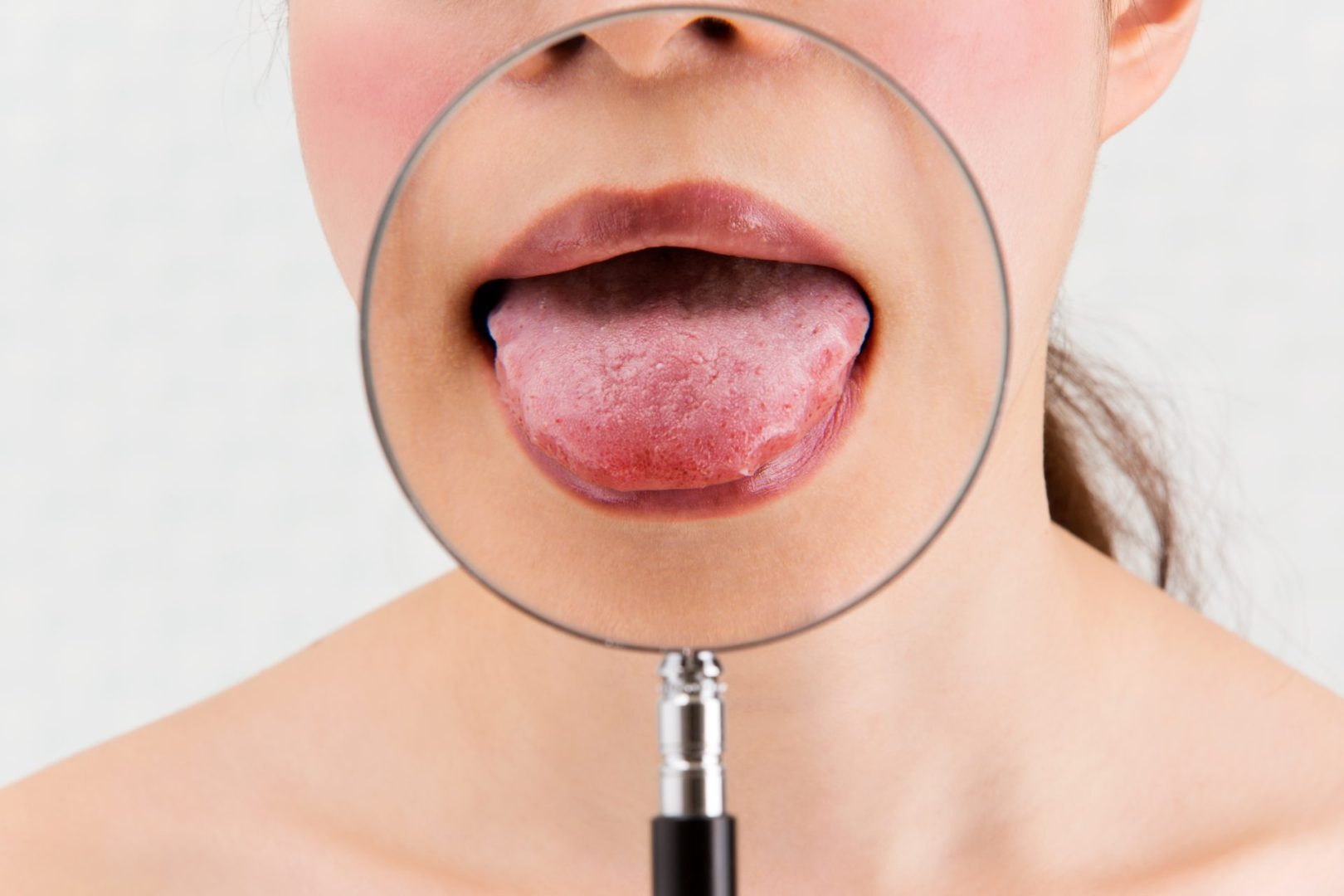
Look, most people think their tongue is just for tasting food and talking. Wrong. Your tongue is basically a health dashboard that doctors have been reading for thousands of years. Traditional Chinese medicine practitioners have done it forever, and modern doctors are finally catching up to what they already knew.
Here’s what nobody tells you. Your tongue changes color, texture, and appearance based on what’s happening inside your body. It’s not random. That white coating you ignore every morning might be screaming something important about your gut health or immune system.
The color codes doctors actually use
A healthy tongue should look pink and slightly moist with a thin white coating. Anything different from that deserves attention. When your tongue turns bright red, it often signals vitamin deficiencies, particularly B12 or iron. People with anemia walk around with strawberry-colored tongues without realizing their blood isn’t carrying enough oxygen.
White tongues tell different stories. A thick white coating usually means your oral hygiene needs work, but it can also indicate thrush, which is a yeast infection in your mouth. People with weakened immune systems get this constantly. Dehydration also turns tongues white because your mouth isn’t producing enough saliva to naturally clean itself.
Yellow tongues freak people out, and they should. This color often shows up right before you get sick. Your body is fighting something, and the bacteria on your tongue are multiplying faster than normal. Smokers also develop yellow tongues from all the chemicals and tar building up on the surface.
The texture nobody pays attention to
Smooth tongues without those little bumps called papillae indicate serious nutritional problems. Your body literally can’t maintain normal tongue tissue. This happens with severe vitamin deficiencies and certain autoimmune conditions that attack your own tissues.
Geographic tongue is when patches form that look like a map. It’s usually harmless but can indicate inflammatory conditions brewing elsewhere in your body. The patches move around over days and weeks, which is honestly kind of weird when you think about it.
Swollen tongues that show teeth marks along the edges mean your tongue is too big for your mouth. This happens with hypothyroidism when your metabolism slows down so much that fluid builds up everywhere, including your tongue. Sleep apnea also causes this because your tongue relaxes too much during sleep.
What those bumps and spots actually mean
Black hairy tongue sounds made up but it’s real. The papillae on your tongue grow too long and trap bacteria that turn black. Poor oral hygiene, smoking, and certain medications cause this. It looks absolutely disgusting but it’s usually harmless and goes away with better brushing habits.
Red spots or lesions that don’t heal within two weeks need immediate medical attention. Oral cancer starts this way, and early detection makes a massive difference in survival rates. People ignore mouth sores all the time, thinking they’ll just go away.
The morning check everyone should do
Your tongue looks different throughout the day, so the best time to check is first thing in the morning before eating or drinking anything. Stick your tongue out in good lighting and look for color changes, unusual coatings, bumps, or sores. Take a picture if you want to track changes over time.
If something looks off for more than a week, show your doctor. They can run blood tests to check for vitamin deficiencies, infections, or other conditions your tongue is trying to reveal. Your body communicates through symptoms, and your tongue speaks louder than most people realize. Paying attention early can help you catch subtle problems before they become more serious conditions.