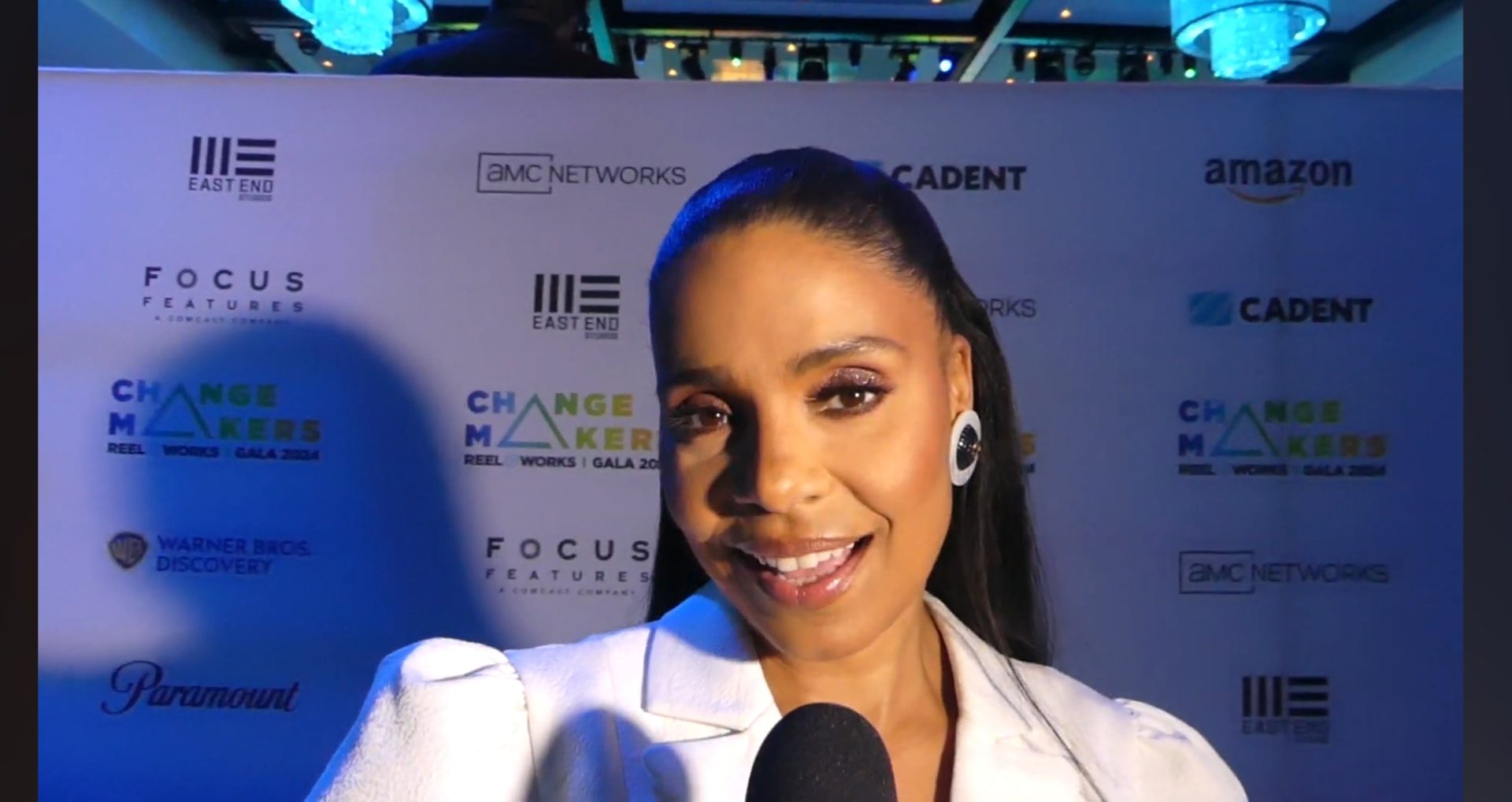
Sanaa Lathan has built a career full of iconic performances, from Love & Basketball to The Best Man, but during a candid conversation with Keke Palmer at the 2026 ESSENCE Festival in New Orleans, she revealed just how much rejection sat behind those roles. Speaking during a live podcast taping on July 3, Lathan explained that for every project audiences saw her in, there were long stretches of near constant rejection behind the scenes, a reality she says rarely gets discussed publicly.
The moment offered a rare glimpse past the polish of Black Hollywood success stories, and it resonated deeply with the audience. Lathan’s honesty highlighted a broader pattern many Black women recognize in their own lives, the tendency to carry the weight of ambition and caretaking while rarely pausing to acknowledge what that weight costs.
Building community in a scarce industry
Lathan reflected on breaking into the industry during the 1990s, a period when opportunities for Black actresses were especially limited. Rather than navigating that scarcity alone, she intentionally built close friendships with peers including Gabrielle Union, Taraji P. Henson and Regina Hall, recognizing that having people who understood the specific pressures of the industry made the journey more sustainable.
She also spoke about learning to advocate for herself early on, recalling how she pushed to get a basketball coach ahead of filming Love & Basketball, despite having no prior experience with the sport, because she was determined to portray the role authentically.
Healing beyond the spotlight
The conversation moved into more personal territory as Lathan discussed years of struggling with anxiety and panic attacks, which she eventually connected to unresolved trauma. She explained that trauma left unaddressed tends to surface physically, a realization that pushed her toward therapy, meditation and eventually sobriety.
Lathan described life on the other side of that healing as one marked by a genuine sense of peace, a stark contrast to the version of herself who was not yet taking care of her mental health. Her openness about that journey underscored a message she and Palmer both emphasized throughout the conversation, that success and wellbeing are not automatically linked, and one often has to be built deliberately alongside the other.
Representation across generations
Despite a 20 plus year age gap between them, Lathan and Palmer found consistent common ground throughout the discussion. Lathan credited growing up around Black performers with helping her recognize acting as an achievable path long before she ever stepped in front of a camera. Palmer built on that idea, noting that many people spend years waiting for obstacles to clear rather than choosing to keep moving forward despite them.
Breaking the cycle of overwork
The conversation closed on a theme that extended beyond entertainment entirely, the pressure many Black women feel to embody constant strength. Palmer spoke directly to the need to interrupt that pattern, describing rest not as something earned only after exhaustion, but as something people have to actively give themselves permission to take.
Both women encouraged the audience to hold onto ambition without losing sight of their own wellbeing, framing rest not as a departure from success but as a necessary part of sustaining it.