Blue light from screens has been blamed for sleep problems, screen fatigue, and various health issues. Companies sell blue light blocking glasses, apps filter blue wavelengths, and phone operating systems include night mode features reducing blue light exposure. The problem? Research doesn’t strongly support blue light as the primary sleep disruptor everyone claims it is.
The actual disruptions from evening screen use come from psychological engagement, emotional stimulation, and timing rather than light wavelength specifically. Blue light plays a role, but it’s minor compared to other factors. The focus on blue light has become a convenient scapegoat that lets people avoid addressing real problems with nighttime technology use.
What research actually shows about blue light
Early studies showed bright blue light suppresses melatonin production more than other wavelengths. This led to conclusions that evening blue light exposure delays sleep. However, these studies used extremely bright, prolonged blue light exposure exceeding typical screen use. Real-world screen brightness and duration don’t replicate laboratory conditions that showed significant melatonin suppression.
Subsequent research comparing blue light filtering to full-spectrum screen light found minimal differences in sleep quality. People using blue light filters didn’t fall asleep notably faster or sleep better than those using regular screens. The melatonin suppression from typical screen brightness isn’t sufficient to explain sleep problems most people experience.
Some studies show no measurable difference between reading on backlit screens versus paper books when controlling for content engagement and timing. The format and light wavelength matter less than what you’re reading and when you’re reading it. The light isn’t the primary problem even though it makes intuitive sense as an explanation.
Why psychological engagement matters more
What you view on screens keeps you awake more than how the screen emits light. Scrolling social media creates emotional responses. Reading work emails generates stress and problem-solving thoughts. Watching videos stimulates interest and desire to continue watching. This psychological engagement actively prevents sleep readiness.
Your brain needs wind-down time before sleep. Engaging content prevents this necessary transition. You can’t just stop watching an interesting video and immediately fall asleep. Your brain remains activated processing what you viewed. The content stimulation extends well past when you put the device away, delaying sleep regardless of light exposure.
Intermittent variable rewards from social media are particularly sleep-disruptive. Each scroll might reveal something interesting. This unpredictability activates dopamine systems that promote wakefulness and continued engagement. You stay awake chasing the next potential reward, not because blue light suppressed melatonin, but because your brain’s reward circuits are activated.
The alertness and posture factors
Using devices requires alertness and attention. You’re actively engaging with content, making decisions, scrolling, typing, or navigating. This cognitive activity signals your brain to stay awake. Passive activities like reading physical books also keep you alert initially, but devices require continuous active engagement that prevents the mental drift toward sleepiness.
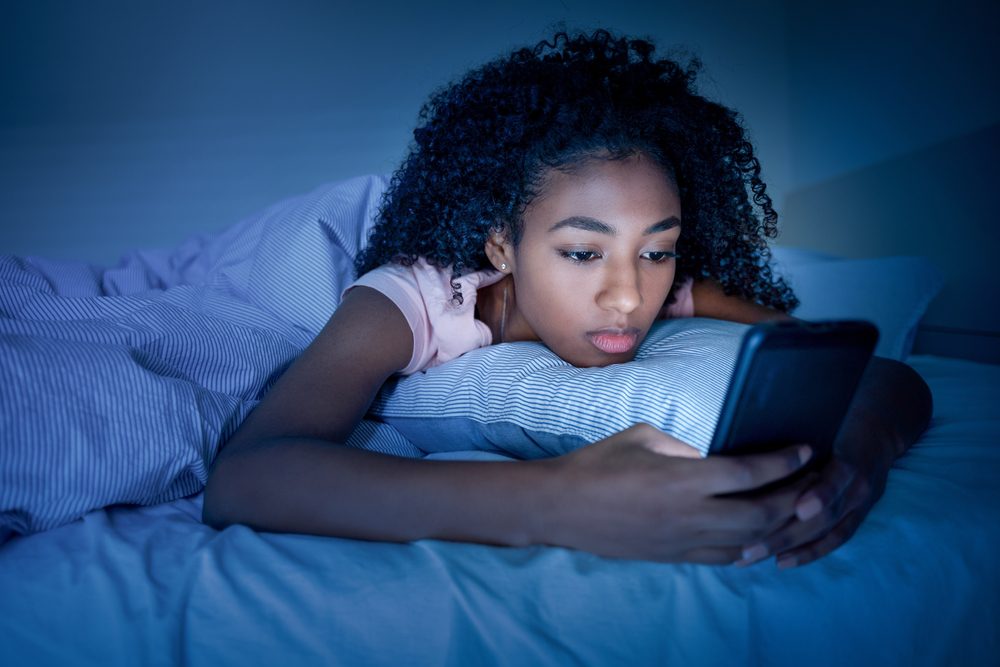
Your posture while using devices affects sleep readiness. Lying in bed with devices promotes alert wakefulness in the environment meant for sleep. Your brain starts associating your bed with wakefulness rather than sleep. This environmental conditioning disrupts sleep more significantly than light wavelength from screens.
The physical tension from holding devices and looking at small screens also promotes alertness. You’re not in a relaxed state. Your muscles are engaged, your eyes are focused, and your body is in active mode. True sleep preparation requires physical relaxation that device use inherently disrupts.
Timing matters more than wavelength
Using screens close to bedtime disrupts sleep regardless of light color. The one-hour pre-sleep period should be winding down. Screens provide stimulation when you should be reducing stimulation. Moving screen use earlier in the evening improves sleep more effectively than blue light filters during late screen time.
Bright light of any wavelength suppresses melatonin if exposure is intense and prolonged enough. The specific blue wavelength effect is real but overstated. Dim warm light from screens still provides enough brightness to delay melatonin release if you’re staring at it during prime sleep preparation hours. The timing matters more than the spectrum.
Early day blue light exposure actually helps sleep by reinforcing circadian rhythms. Morning blue light signals wake time to your biological clock, improving nighttime sleep quality. Avoiding all blue light eliminates these beneficial daytime signals. The problem isn’t blue light itself. It’s bright light at the wrong times.
Why the myth persists
Blue light provides a simple, technological solution to sleep problems. Block blue light with filters or glasses and sleep improves. This narrative is convenient for technology companies, product makers, and people wanting simple fixes. It’s easier to change light wavelength than address actual sleep hygiene, evening routines, or technology addiction.
The placebo effect also reinforces the myth. People using filters believe they help, which improves sleep through expectation effects. They feel better, validate the purchase, and recommend filters to others. The cycle continues despite weak scientific support.
What actually helps sleep
Stop screen use 60-90 minutes before bed. This buffer allows psychological engagement to settle and natural sleepiness to develop. If you must use devices, keep brightness low and content non-engaging. Reading rather than scrolling reduces stimulation. Reading fiction rather than news or work content prevents stress responses.
Develop consistent sleep schedules, keep bedrooms dark and cool, and reserve beds for sleep only. These sleep hygiene fundamentals matter far more than blue light wavelength. The focus on blue light has distracted from evidence-based sleep improvement strategies that actually work but require more effort than installing an app filter.