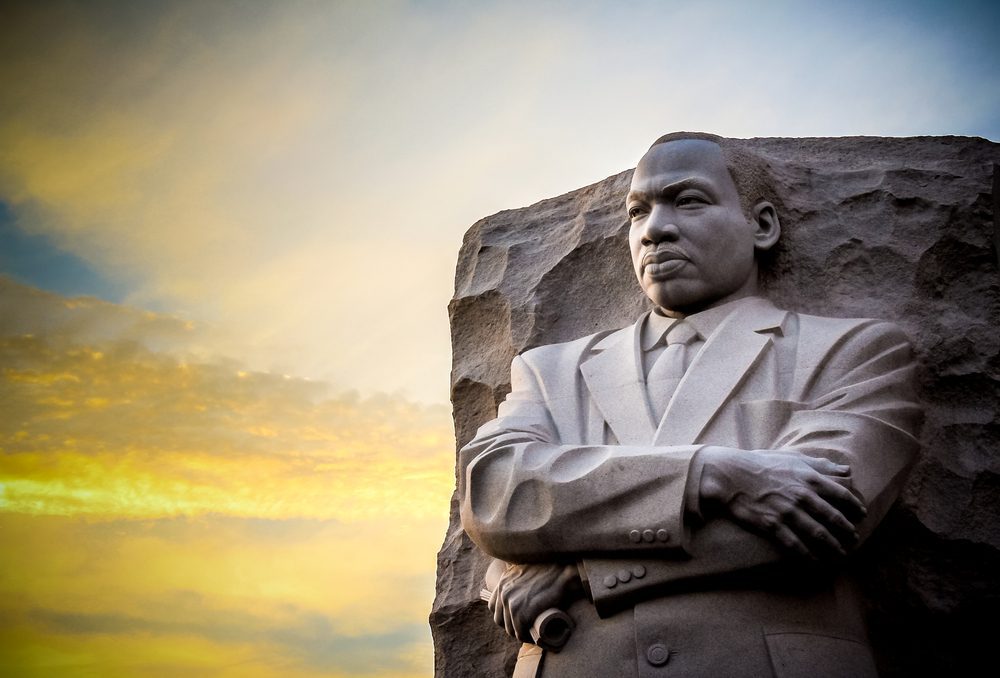
Juneteenth and MLK Day lose designation while president’s birthday gains access
The Trump administration has quietly altered the National Park Service’s free-entry calendar, eliminating two historically significant observances while adding a new date that honors the sitting president himself. The changes have sparked immediate backlash from advocacy groups who view the policy shift as exclusionary and symbolically loaded.
Beginning this year, visitors will no longer receive complimentary access to America’s national parks on Martin Luther King Jr. Day or Juneteenth. Both holidays hold deep resonance within Black communities — MLK Day commemorates the civil rights leader’s legacy each third Monday of January, while Juneteenth marks the end of slavery in the United States. For decades, these observances have been recognized with free admission across the park system.
In their place, the administration has designated June 14 — President Trump’s birthday — as a new free-entry day. The substitution has raised questions about priorities and messaging within federal land management policy.
Trump Birthday Decision Sparks Immediate Criticism
Tyrhee Moore, who leads Soul Trak Outdoors, a nonprofit dedicated to expanding outdoor access for underrepresented communities, characterized the policy revision as troubling on multiple fronts.
The removal of MLK Day and Juneteenth from the free-access roster signals a concerning shift in how the nation views its public lands, according to Moore. He suggested the decision targets communities already confronting systemic obstacles to outdoor recreation.
Moore emphasized that his organization exists specifically to counter such administrative maneuvers, which he described as exclusionary policies disguised as bureaucratic adjustments. The change reinforces existing inequalities and creates additional barriers preventing communities of color from feeling welcome in spaces that theoretically belong to all Americans, he noted.
Service and Stewardship Define MLK Day Tradition
Since Congress designated Martin Luther King Jr. Day as a National Day of Service in 1994, the holiday has evolved into an annual opportunity for civic engagement at national parks nationwide. These grassroots efforts transform a day of remembrance into active community participation.
At San Francisco Maritime National Historical Park, volunteers gather each MLK Day to maintain botanical displays and preserve native vegetation. Similar conservation work unfolds at Big Thicket National Preserve in Texas, where participants plant indigenous species to support local ecosystems.
The tradition extends across diverse landscapes. Hot Springs National Park in Arkansas mobilizes teams to remove graffiti from historic sites, while Capitol Reef National Park in Utah coordinates litter collection efforts. These activities embody Dr. King’s philosophy of service while connecting Americans to their shared natural heritage.
Remaining Free Access Days at National Parks
Despite the elimination of MLK Day and Juneteenth from the calendar, several other observances continue to offer complimentary park entry. The administration has maintained free access during Presidents Day, which honors Washington’s Birthday, as well as Memorial Day and the Independence Day weekend.
Additional no-fee dates include the National Park Service’s 110th birthday celebration in 2026, Constitution Day, and Veterans Day. Theodore Roosevelt’s birthday also remains on the list — fitting, given the former president’s pivotal role in conservation history and the establishment of the modern park system.
The revised calendar reflects a selective approach to which American milestones merit recognition through expanded public access to federal lands.
Policy Implications and Public Response
The reconfiguration arrives without extensive public comment or advance notice, leaving park advocates and civil rights organizations scrambling to understand the rationale. Critics argue the timing and specific choices reveal underlying priorities that diverge from inclusivity principles long embedded in public land stewardship.
National parks have historically served as democratic spaces where Americans of all backgrounds can connect with natural wonders and shared history. Fee-free days lower economic barriers and encourage visitation from communities that might otherwise face financial constraints.
By removing observances tied to African American heritage while inserting a date celebrating the current president, the policy raises questions about whose stories the administration believes deserve elevation within the national narrative. The decision transforms what was once a gesture of cultural recognition into a flashpoint over representation and access.
As the controversy develops, outdoor advocacy groups are mobilizing responses. Some organizations are exploring alternative ways to mark MLK Day and Juneteenth with park programming, even without the free-entry incentive. Others are pushing for Congressional action to restore the eliminated observances or establish permanent protections for culturally significant access days.
The National Park Service, which manages more than 400 sites across the country, has not issued detailed public statements explaining the policy modification. The silence has fueled speculation and intensified criticism from those who view the change as more than administrative housekeeping.
For Moore and fellow advocates, the fight extends beyond entrance fees. It encompasses broader questions about whose history matters, which communities receive welcome, and what values should guide stewardship of America’s most treasured landscapes.
Source: Blavity