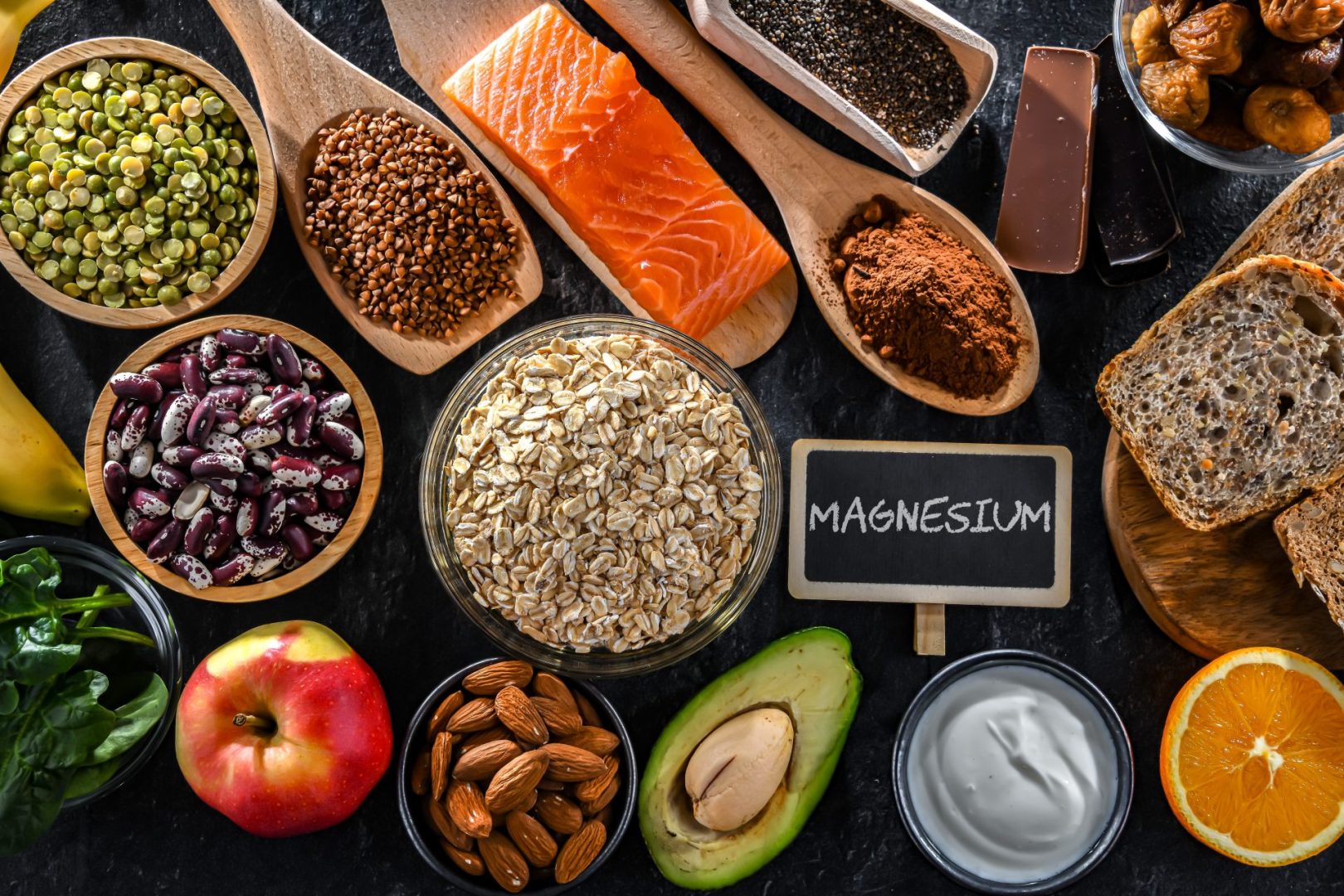
The mineral getting all the buzz might already be on your plate — here’s how to eat more of it.
Magnesium has quietly become one of te most talked-about nutrients in wellness circles, earning a reputation as a natural aid for better sleep and stress relief. But for many people, the answer isn’t a supplement — it’s a smarter plate.
The mineral is involved in more than 300 biochemical reactions in the body, according to nutrition experts. It supports heart health, helps regulate blood pressure and blood sugar, and plays a critical role in bone health and energy production. It also regulates cortisol, the body’s primary stress hormone, and supports melatonin production — which is why so many people report sleeping better when their magnesium levels are adequate.
The National Institutes of Health recommends 310 to 320 milligrams per day for women and 400 to 420 milligrams for men. The good news: hitting that target through food alone is more achievable than most people think.
Spinach Leads the Pack
Among leafy greens, spinach is the clear frontrunner, delivering 156 mg of magnesium per cup of boiled spinach. It also provides iron, fiber, and vitamins A and C, making it one of the most nutrient-dense vegetables available. Swiss chard and collard greens are strong runners-up, but spinach’s versatility gives it an edge — sautéed as a side, blended into smoothies, or layered into a whole wheat wrap with black beans, every component of that lunch is working toward your daily magnesium goal.
Nuts and Seeds: The Snack-Friendly Magnesium Sources
Almonds, cashews, and peanuts are among the easiest ways to raise your magnesium intake without rethinking your entire diet. A single ounce of almonds — roughly 23 nuts — contains 80 mg, while the same serving of cashews delivers 74 mg. Two tablespoons of cashew butter provides 83 mg, and it pairs naturally with banana slices for a snack that doubles as a magnesium-stacking opportunity.
Seeds punch even harder. An ounce of pumpkin seeds contains 156 mg of magnesium — about 37 percent of the recommended daily value — along with 8 grams of plant-based protein and a meaningful contribution toward daily iron needs. Flax and chia seeds are strong supporting players: sprinkle them on salads, stir them into overnight oats, or blend them into smoothies for a low-effort nutrition upgrade.
Grains, Beans, and the Power of Stacking
Whole grains are a reliable and often underestimated magnesium source. A half-cup of dry oats delivers more than 13 percent of the daily requirement, and quinoa — technically a seed, but classified as a whole grain — offers 118 mg per cooked cup, along with all nine essential amino acids, making it one of the few plant foods that qualifies as a complete protein. Swapping white rice for quinoa as a stir-fry base is a small change with a measurable nutritional payoff.
Black beans bring both volume and value: one cup of canned black beans provides 84 mg of magnesium, 15 grams of protein, and 17 grams of fiber. Edamame, the young soybean, adds another 50 mg per half-cup serving and transitions seamlessly from snack bowl to grain bowl to stir-fry.
Don’t Overlook Avocado and Dark Chocolate
A whole avocado provides 58 mg of magnesium alongside heart-healthy monounsaturated fats. Paired with two slices of whole wheat toast — which contributes roughly 46 mg on its own — avocado toast becomes a genuinely solid magnesium meal. Plain low-fat yogurt adds 42 mg per serving, along with calcium, protein, and probiotics.
And yes, dark chocolate counts. A one-ounce serving with 70 to 85 percent cocoa solids delivers 65 mg of magnesium, along with antioxidants. A square or two after dinner isn’t indulgence for its own sake — it’s a legitimate nutritional strategy.
Source: Good Housekeeping