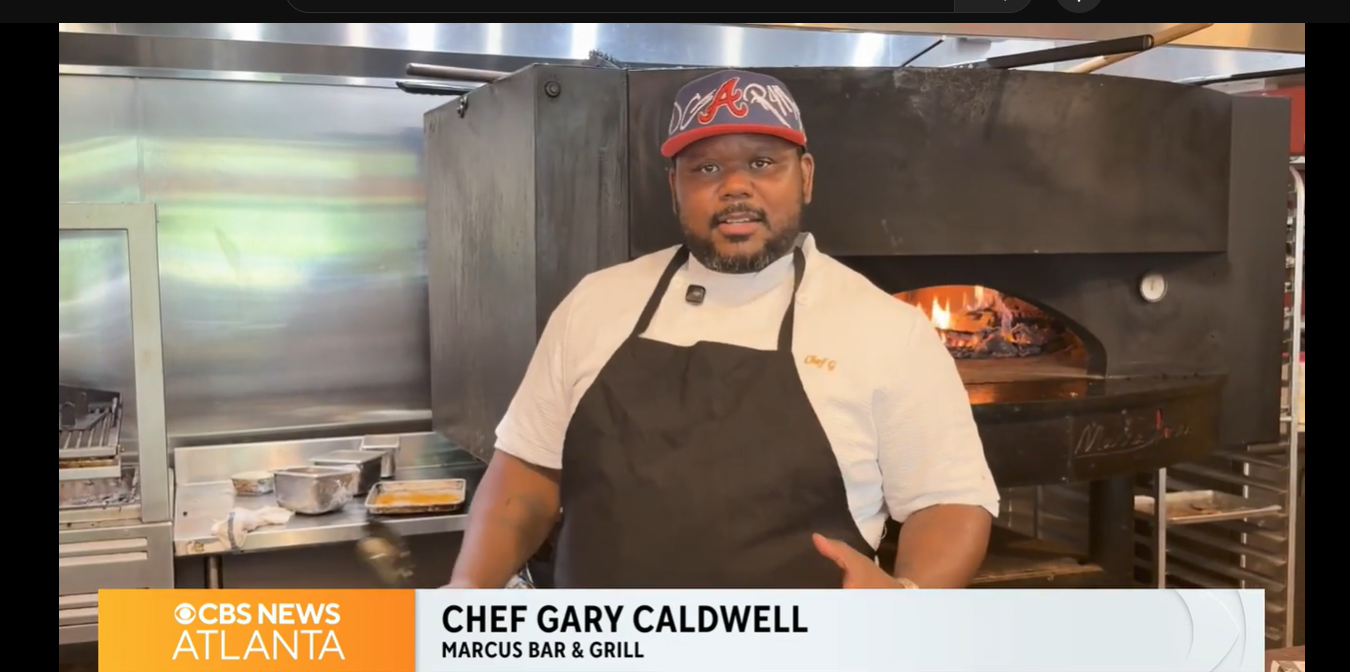
Chef Gary Caldwell uses smoked meats, red dishes and family recipes to honor enslaved ancestors.
In the Old Fourth Ward neighborhood of Atlanta, Marcus Bar & Grille is treating Juneteenth as more than a date on the calendar. The restaurant has built a curated menu around dishes meant to carry forward stories of survival, heritage and joy, with smoked meats and slow-cooked collard greens filling the kitchen with the scents of a holiday rooted in history.
Executive Chef Gary Caldwell said the project is as much about preservation as it is about food. He invited a news crew into his kitchen ahead of the holiday and explained that the dishes carry weight that goes beyond seasoning, describing memory itself as a core ingredient in what he cooks.
Techniques that trace back to 1865
Many of the cooking methods featured on the Juneteenth menu echo the way meals were prepared in 1865, when enslaved people in Galveston, Texas, learned they had been freed more than two years after the Emancipation Proclamation. Gary Caldwell said the prominence of smoked and grilled meats in African American cooking traces back to necessity rather than preference.
He explained that enslaved cooks were often barred from indoor kitchens and instead developed outdoor cooking methods out of forced adaptation. According to Gary Caldwell, that divide between indoor and outdoor cooking shaped a culinary tradition built on improvisation, with smoking and grilling becoming defining techniques passed down through generations.
The meaning behind the color red
Diners at Marcus Bar & Grille will notice red dishes and drinks across the table, a deliberate nod to Juneteenth tradition. The color has long carried symbolic weight in Juneteenth celebrations, representing resilience and joy alongside a somber reminder of the bloodshed endured by enslaved ancestors in the fight for freedom.
The restaurant’s red hued offerings sit alongside dishes that reflect the resourcefulness long associated with Southern and Black cooking. Gary Caldwell highlighted his watermelon salad as an example, noting that he uses the entire fruit, including pickling the rind to add texture and tartness in keeping with traditional preparation methods.
Guarding the holiday’s true meaning
As Juneteenth has grown into a federal holiday with wider mainstream recognition, Gary Caldwell said he remains focused on protecting its original meaning from commercial dilution. He said his work in the kitchen is meant to honor community and heritage above all else, and he expressed concern that the freedoms won by earlier generations are increasingly treated as routine rather than hard-won.
Gary Caldwell’s approach reflects a broader effort among chefs and restaurateurs to use food as a vehicle for historical memory, ensuring younger generations understand the holiday’s roots even as it becomes more commercialized nationwide.
A packed house for a shared history
The team at Marcus Bar & Grille said the goal of the menu is to keep history present rather than confined to textbooks, using shared meals to pass down stories that might otherwise fade. Staff are preparing for a large turnout, with close to 300 guests expected to take part in the celebration throughout the day.
For Gary Caldwell and his team, the gathering represents the kind of communal remembrance that has defined Juneteenth celebrations for generations, where food becomes both a comfort and a teaching tool. As more restaurants across the country build out Juneteenth specific menus, Marcus Bar & Grille‘s approach signals a continued push to root the holiday’s growing popularity in its historical and cultural origins rather than treating it as a generic summer celebration.