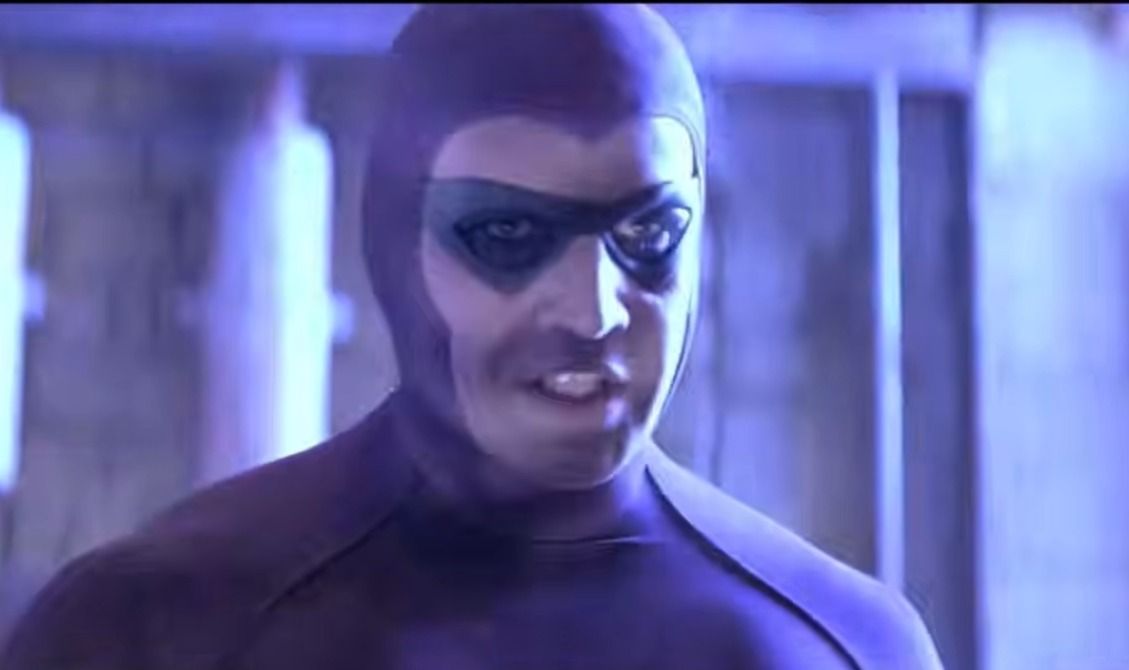

Currently, the live-action adaptation of The Phantom is in progress; however, based on early feedback, it could encounter obstacles to completion. Instead of being produced as a film, this version will be produced as a television series. There are fans who have been loyal to The Phantom for many years who are happy to see him return, but some question the timing of this reboot.
The producer Reginald Hudlin is developing this new The Phantom television series (for King Features), and is known for producing various successful films and series, including House Party and Candy Cane Lane. As of now, there has not yet been a cast selected, an air date or a streaming platform.
There have been a number of generations that have come to know The Phantom as one of the earliest masked heroes in pop culture history. The Phantom was first created by Lee Falk back in 1936 and is referred to as Kit Walker, a superhero who avenges crimes committed against his people and is easily recognized by his all-purple jungle outfit with a mask. The Phantom has had many decades of following readers, and is still read in many countries today.
However, with the development of modern-day television, it doesn’t mean that producing a successful show is going to happen just because of the history behind a franchise. The entertainment industry has changed, the audience’s sense of how they consume media has also changed, and superhero stories are not as exciting to the audience now as they once were. Therefore, based upon those changes, some people who watch the industry think this will not be the right time for a new Phantom TV series.
The challenge is not only about the character. It is also about timing, competition, and whether enough viewers still want another superhero origin story.
Why the Phantom TV series could face problems?
One of the biggest issues is simple awareness. Many younger viewers know Batman, Spider-Man, and Superman, but far fewer know The Phantom. The character is respected in comic history, yet he is not a major mainstream name for modern audiences.
That means the show may need to spend time introducing the hero before it can even tell larger stories. In today’s crowded market, many shows do not get long to prove themselves. If viewers do not connect early, they often move on quickly.
Another challenge is the memory of the 1996 film. That movie starred Billy Zane and tried to bring the hero to a new generation. It later gained some cult fans, but it was not a box office success when released. Reports at the time said it earned far less than expected against its budget.
A weak film from the past does not doom a new version, but it does show that adapting the character has not been easy before. There is also the issue of tone. The Phantom comes from an older style of pulp adventure. That can be fun if handled well, but it can also feel dated if the writing does not find the right balance. A modern audience may want deeper characters, sharper action, and stronger world-building than older adventure stories once needed.
The series format could help in one way. Television gives more time to build a world, side characters, and weekly threats. But that only works if the budget and scripts are strong enough to keep viewers interested.
The market is much harder now
The larger market may be the biggest obstacle. Superhero stories ruled film and streaming for many years, especially in the 2010s. Today, the picture looks different. Some recent comic book projects have succeeded, but others have struggled at the box office or failed to create strong streaming buzz.
Audiences now have more choices than ever. Crime dramas, fantasy shows, true stories, sports series, and global hits all compete for attention. A new show must offer something fresh, not just a known costume and brand name.
Streaming companies are also spending more carefully than before. Several media groups have cut costs and become more selective about expensive scripted projects. If The Phantom needs large action scenes, visual effects, and location work, it may need strong support from a network or platform.
There is another risk as well. Nostalgia can bring early interest, but it does not always create long-term success. Many reboots open with headlines and curiosity, then fade if the story is not strong enough.
That said, the project is not without hope. The Phantom still has a loyal fan base. The hero’s long legacy could attract viewers who want something different from the usual city-based superhero formula. A jungle adventure setting and serialized storytelling could help the show stand out.
Much will depend on execution. Casting, writing, pacing, and visual style will matter more than the brand alone. If the team finds a smart modern take, the show could surprise people.
For now, though, the concerns are real. The character is less known than major rivals, the market is crowded, and superhero fatigue is a common topic across the industry. That is why many believe the upcoming Phantom TV series might not be a great idea, at least on paper.
The final answer will come later, once cameras roll and viewers see what kind of show it truly wants to be. Until then, the reboot remains an interesting gamble with as many questions as hopes.
Edited by Sohini Biswas