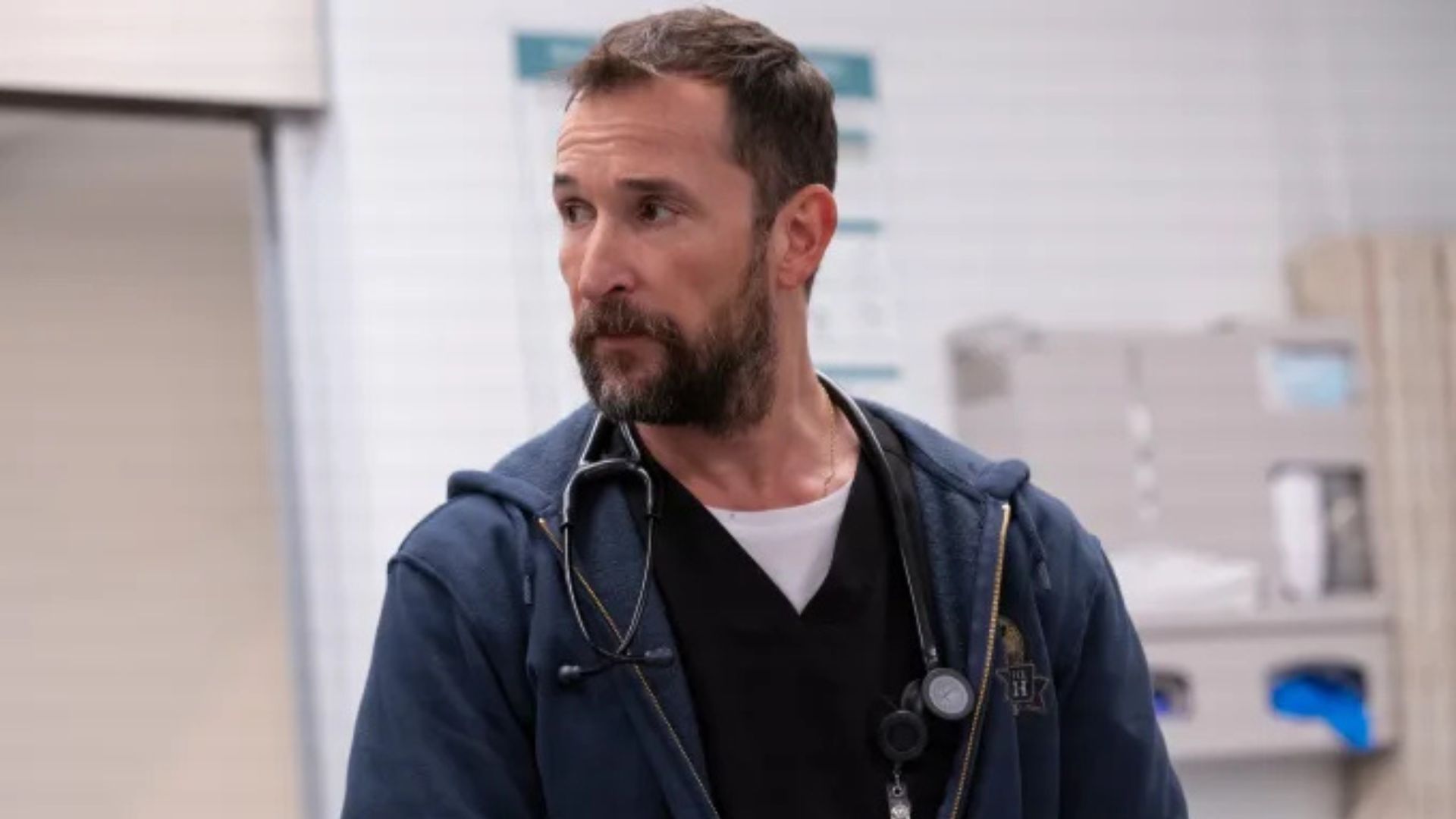

HBO Max’s The Pitt has completed two seasons recently, and in the first season itself, the show had built a reputation for being one of the most medically accurate shows on television. Its portrayal of realistic hospital structure, intense emergency room situations, and unfiltered portrayal of life-and-death stakes has earned praise from medical professionals and viewers alike.
However, while that level of medical authenticity is impressive, it might not be a great thing after all. The medical authenticity of The Pitt often reveals how being too real can make a show harder to watch and even harder to enjoy.
The Pitt’s medical authenticity often makes it draining for its viewers
Set in the fictional Pittsburgh Trauma Medical Center, each episode of the show follows an hour in the emergency department, where patients at every stage of emergency are admitted, and understandably, can die suddenly. Many such deaths are gruesome and often without any closure. This commitment to medical authenticity takes away the comfortable predictability that many medical dramas are known for. Instead of neatly resolved cases, viewers are often left with the same uncertainty that real doctors face. While that’s admirable, it can also feel emotionally exhausting for the viewers.
In The Pitt Season 1, the show balanced this intensity with a sense of hope. The staff, led by Dr. Michael Robinavitch, aka Robby, often managed to pull off impossible miracles. Their competence gave viewers moments of relief that kept the show from becoming overwhelming. Even amid tragedy, there was a reassurance that things might turn out okay. Season 2, however, leans deeper into realism, and that’s where The Pitt becomes more difficult to watch at times.
The characters are no longer just skilled professionals; they are worn down, burnt out, and struggling. Dr. Robby himself is dealing with severe PTSD and suicidal tendencies. This shift is eerily similar to real-world data about emergency physicians, but it also removes much of the escapism that audiences often seek. The problem isn’t that The Pitt shows burnout; it’s how unrelenting that portrayal becomes. When multiple characters question their careers, face bad mental health, or face personal limitations, the show begins to feel less like entertainment and more like a prolonged exposure to something stressful. For some viewers, that realism can make them move away from the show rather than enjoy it.
A scene in the Season 2 finale highlights this realistic tension when Dr. Jack Abbot confronts Robby with a powerful speech. He says,
“Because it comes for all of us, man. You and I know it more than most. We see it every shift, but we can’t let ourselves succumb to it. Yes, life can suck. It can be unbearable and — and brutal, and ugly and heartbreaking. But it’s also beautiful — and hilarious.”
It’s an extremely human moment, acknowledging both the good and the bad of life. But Robby’s response shows us the emotional toll his profession has taken on him. He responds by saying,
“Nothing I’ve ever done will matter more than what I’ve done in this hospital, but it is killing me.”
This exchange captures the message. The Pitt is trying to give its viewers, but it also shows why the show can feel so heavy.
Another issue with The Pitt’s authenticity is how it doesn’t always align with viewer expectations. Audiences often watch medical dramas to watch a blend of tension and resolution. But here, not everyone finds purpose or redemption. Some characters realize emergency medicine isn’t for them, while others face situations that make them realize that they might not be doing what’s best for their patients. These arcs are realistic, but they can feel unsatisfying to many viewers who are expecting the traditional entertainment from medical dramas.
However, The Pitt does offer moments of levity. Characters bond, joke, and find small ways to cope, whether it’s music, fireworks, or karaoke. These scenes are essential, not just for the characters but for the audience. They provide brief relief from the constant pressure. Still, the overarching tone of The Pitt keeps reminding viewers of how authentic it is, whether it’s satisfying or not. This dedication to truth makes the show powerful and stands out, but also draining.
The first two seasons of The Pitt are streaming on HBO Max.
For more articles like this, follow Soapcentral.
Edited by Sroban Ghosh