A new detection tool built by an independent researcher revealed that AI music generators have train
The backlash began with a search bar. Last week, The Atlantic published a new AI detection tool built by researcher Alex Reisner that allows anyone to search for an artist’s name and see whether their music appears in datasets used to train AI music generators. Drawing on four separate data collections available to AI developers and encompassing more than 21 million songs, the tool covers catalogs belonging to major artists including Bad Bunny, Taylor Swift, and Beyoncé, as well as independent musicians with far smaller profiles.
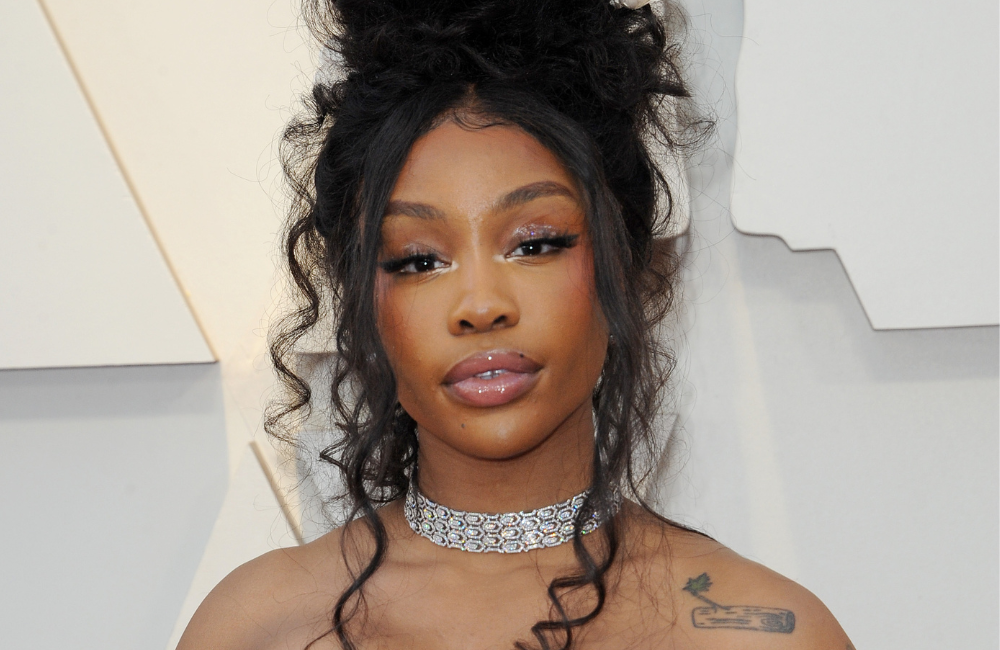
In the days since its launch, the discoveries have prompted an escalating response from artists across the industry. SZA became one of the most prominent voices in that conversation after searching her own name and finding 238 songs listed in the training data, including what she described as potentially unreleased material.
Her reaction was unambiguous. Posting to her Instagram story, she described her disgust toward musicians who support the practice, saying nothing could justify it. On a separate private account, she went further, specifically framing the issue as one of racial exploitation, arguing that Black artists make up a disproportionate share of the material being harvested without consent while having the least legislative or legal protection in place to stop it.
What the data actually shows and how it got there
Three of the four datasets featured in Reisner’s report directed users to songs through YouTube and Spotify links. According to Reisner, developers frequently use automated methods to access these links, some of which are designed to bypass login systems and advertising mechanisms that would otherwise generate revenue for the platform or the creator. That practice, he noted, would constitute a violation of the terms of service for both platforms.
The fourth dataset was drawn from the Free Music Archive. While Google and Stability AI have acknowledged using these types of datasets to train their models, it remains unclear which other developers have drawn from the same sources. Suno, one of the most prominent companies in the AI music space and a frequent target of criticism in the ongoing debate, declined to comment on the specifics of SZA’s findings. The company’s chief product officer posted publicly that Suno’s training metadata does not include artist names, that the model cannot replicate the material it trained on, and that the company is working on improving its ability to detect impersonation.
That response did not satisfy many of the artists who had already searched their names and found results.
Other artists joining the backlash
SZA was not alone. Producer Kenneth Blume, known professionally as Kenny Beats, directed his criticism specifically at Suno, describing the daily reality of working at a company built on material taken from artists who never consented. He said he could not imagine being proud of earning a living by erasing the work and aspirations of other creators.
DJ Sabrina the Teenage DJ wrote on Bluesky that criticism of her music for sounding like AI had taken on a different meaning once she discovered that 22 of her songs appeared in the training datasets, noting the irony that her work had been used to generate the very material she was being compared to unfavorably.
Not every artist responded with outrage. Producer Hudson Mohawke took a more resigned position, writing on Instagram that the music and technology industries have never operated on principles of fairness or morality, and that having work used without permission or compensation was not a new experience for most working musicians.
Where the legal fights currently stand
The disputes over AI training data have already produced a substantial body of litigation. Suno and Udio have both been sued by major labels over the unauthorized use of copyrighted songs to train their systems. Sony Music, which operates SZA’s label RCA Records, is among the labels still in active litigation against Suno.
Warner Music Group and Universal Music Group have each settled their respective lawsuits against the AI music generators, though those settlements themselves generated new legal action. The American Federation of Musicians filed a lawsuit against both labels in response, alleging that the settlements gave away rights that belonged to the musicians whose work was involved.
Diplo, whom SZA alleged had equity in Suno, has been publicly dismissive of artists who oppose AI music tools. His position, expressed in an April interview, was that consumer demand for fast and affordable content would ultimately determine the outcome of the debate regardless of what individual artists prefer. A representative for Diplo did not respond to requests for comment on SZA’s specific allegations. Suno CEO Mikey Shulman confirmed earlier this month that musicians and producers participated in the company’s most recent investment round but declined to identify which artists were involved.