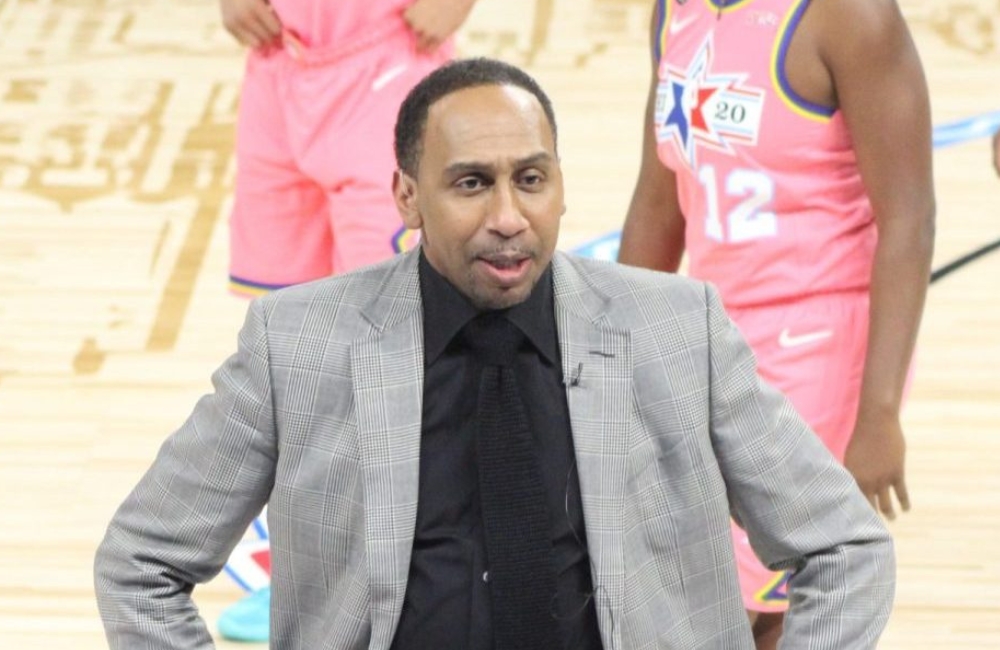
The ESPN personality’s legal defense of federal action has divided audiences nationwide
ESPN’s Stephen A. Smith ignited a firestorm this week by defending a federal agent who fatally shot Renee Nicole Good, 37, during an immigration enforcement operation in Minnesota. His legal analysis of the shooting has sparked intense backlash and raised fundamental questions about where the line between lawful force and excessive violence should be drawn.
Smith’s argument is purely legal, not moral. He maintains that despite the tragedy’s emotional weight, the agent likely operated within established parameters governing deadly force. This stance has positioned him directly against public sentiment and triggered fierce criticism from online communities demanding accountability.
The shooting occurred during an Immigration and Customs Enforcement operation. Good was killed while inside her vehicle, with video footage now circulating widely and fueling conflicting interpretations. Federal and state investigators continue examining the circumstances surrounding those fatal moments.
Legal Framework Versus Public Perception
Smith’s commentary hinges on legal standards governing law enforcement use of force. When an officer perceives an immediate threat—such as a vehicle moving toward them—the law frequently supports their decision to fire, even when hindsight reveals tragic outcomes.
After reviewing available footage repeatedly, Smith concluded that prosecution appears unlikely based on how courts evaluate split-second decisions by officers claiming to fear for their safety. This legal lens clashes dramatically with public emotional response.
Critics argue that focusing on legal technicalities dismisses the human cost and ignores questions about operational protocols during federal enforcement. The gap between legal permissibility and moral acceptability has become the controversy’s flashpoint.
Smith explicitly acknowledged Good’s family grief and community pain but framed his remarks as explaining how the justice system evaluates officer-involved shootings. His separation of legal analysis from personal tragedy hasn’t satisfied those viewing his comments as tone-deaf or callous.
Federal Operations Under the Microscope
Smith addressed the challenging environment federal agents navigate during enforcement operations, describing scenarios where protests, crowds, and resistance create genuine safety concerns for officers. His defense extended to the psychological pressures agents face when making instantaneous life-or-death judgments.
He suggested that reasonable fear—the legal standard—likely existed if the agent genuinely believed the vehicle posed a lethal threat. This argument mirrors defense strategies commonly employed nationwide in officer-involved shooting cases.
Immigration enforcement operations increasingly encounter organized resistance and public opposition, factors Smith suggested could legitimately heighten officer safety concerns. Critics counter that this reasoning justifies excessive force in situations demanding de-escalation instead.
Smith Stands Apart From Media Consensus
Smith’s willingness to defend the agent’s legal standing distinguishes him from media figures who condemned the shooting. His stance reflects a calculated decision to prioritize legal analysis over popular sentiment during national outrage.
Supporters argue that understanding how law enforcement shootings are adjudicated matters, even when outcomes are devastating. They contend his explanation serves an educational purpose, clarifying why legal consequences may not follow despite public demands for justice.
Detractors view his focus on legal technicalities as providing cover for indefensible actions, regardless of statutory protections. This clash illustrates broader tensions about police accountability and whether existing legal frameworks adequately address contemporary concerns about excessive force.
Digital Backlash Escalates Rapidly
Social media platforms erupted following Smith‘s televised remarks. Users expressed outrage at what they perceived as insensitivity toward Good’s death and support for federal overreach. The criticism came swiftly and severely, with some labeling the commentator complicit in defending unjustifiable violence.
Online responses ranged from measured disagreement to personal attacks. Critics questioned Smith’s credibility to analyze law enforcement matters, characterizing him as a sports personality overstepping his expertise. Others focused on his failure to adequately consider video evidence suggesting the agent faced no genuine threat.
A smaller contingent defended Smith’s right to offer an unpopular perspective, praising his willingness to articulate uncomfortable legal reality even when inviting condemnation. They argued that examining cases through a legal framework shouldn’t be conflated with moral endorsement of outcomes.
The backlash’s intensity reflects heightened sensitivities around federal immigration enforcement and police use of force. Smith’s comments landed when public trust in law enforcement remains fragile, and incidents involving federal agents carrying out controversial policies generate immediate skepticism.
Investigation Continues Amid Controversy
While public debate rages, the FBI and Minnesota state authorities continue investigating the shooting. Their findings will determine whether criminal charges or policy changes result from Good’s death. The investigation faces pressure to provide transparency given the national attention the case has attracted.
Smith‘s legal prediction may prove accurate—many officer-involved shootings result in no criminal prosecution even when victims were unarmed or posed questionable threats. Prosecutors frequently decline charges when determining juries would likely accept self-defense claims, a reality frustrating advocates seeking greater accountability.
The case underscores ongoing tensions between legal standards for justified force and public expectations for restraint. Whether the investigation vindicates Smith’s legal analysis or reveals evidence contradicting the agent’s account remains uncertain. What’s clear is that the controversy surrounding Smith’s comments has amplified scrutiny on an already contentious incident, ensuring that Good’s death won’t be forgotten as investigators work to establish the complete truth.
Source: Curveball