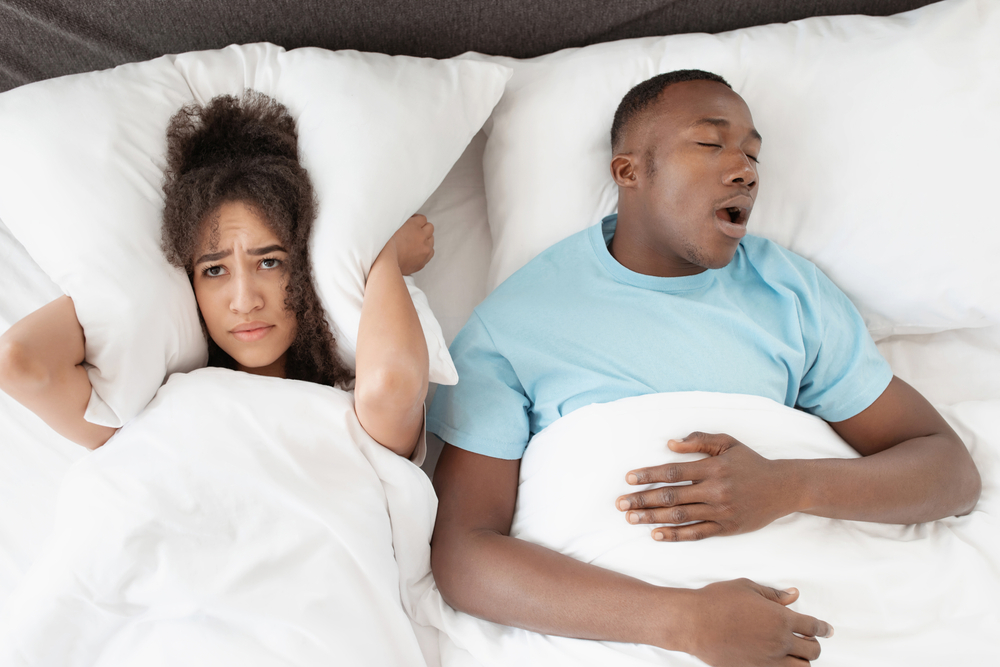
That annoying noise your partner constantly complains about might actually be your body’s way of screaming that something’s seriously wrong with your heart. Most people treat snoring like it’s some embarrassing quirk or harmless annoyance, maybe download an app to record it for laughs. Meanwhile, your body is cycling through episodes of literal suffocation all night long, putting massive strain on your cardiovascular system that’s quietly setting you up for a heart attack.
The really scary part? Millions of people are sleeping through nightly cycles where their airway collapses, oxygen levels plummet, and their heart goes into stress mode trying to compensate. This happens dozens or even hundreds of times per night, and they wake up having absolutely no memory of any of it.
What oxygen deprivation does to your organs
Every time your airway collapses during sleep, your blood oxygen levels drop fast. Your body panics and floods your system with stress hormones, cranks up your heart rate, and jacks up your blood pressure to try to compensate. This cycle repeats over and over, sometimes hundreds of times in a single night. Your cardiovascular system is basically running a marathon while you sleep, and the damage accumulates silently.
The oxygen drops trigger oxidative stress that generates free radicals throughout your body. Your brain, heart, kidneys, and other organs experience these repeated mini-crises all night. Over months and years, this accumulated damage shows up as hypertension, irregular heartbeats, enlarged heart chambers, and clogged arteries.
Sleep apnea(snoring) connects directly to cardiac events
People with untreated sleep apnea face two to three times higher risk of heart attacks and strokes compared to those without it. The repeated oxygen deprivation and cardiovascular stress create perfect conditions for cardiac emergencies. Many heart attacks that happen during sleep probably result from apnea-related oxygen drops and blood pressure surges that finally push a vulnerable heart over the edge.
The condition also promotes irregular heart rhythms like atrial fibrillation that dramatically increases stroke risk. Your heart struggles to maintain normal electrical patterns when it’s constantly being stressed by oxygen deprivation and adrenaline surges. Once these arrhythmias develop, they tend to stick around even during waking hours.
Thin people get dangerous apnea too
Here’s something that trips people up constantly. Everyone assumes only overweight people snore and develop sleep apnea. But jaw structure, tongue size, enlarged tonsils, and nasal anatomy all contribute to airway collapse regardless of body weight. Athletes in incredible physical condition sometimes suffer severe sleep apnea purely because of how their anatomy is structured.
This misconception causes dangerous delays in diagnosis for lean individuals. Doctors and patients both miss the condition because the person doesn’t fit the stereotypical profile. Meanwhile, these thin people experience identical cardiovascular damage as obese apnea sufferers.
Home tests and treatment options available
Simple questionnaires can estimate your sleep apnea risk by looking at symptoms beyond just snoring. Gasping or choking sensations during sleep, witnessed breathing pauses, excessive daytime sleepiness, morning headaches, and difficulty concentrating all suggest possible apnea requiring evaluation.
Home sleep tests now provide accessible alternatives to traditional sleep lab studies. These portable devices measure oxygen levels, heart rate, breathing patterns, and sleep position throughout the night in your own bed. Many insurance plans cover home testing, making diagnosis way more accessible than it used to be.
CPAP machines represent the gold standard treatment but tons of people struggle with them due to discomfort or claustrophobia. However, numerous alternatives exist. Oral appliances that reposition the jaw and tongue work effectively for mild to moderate apnea. Positional therapy helps people whose apnea mainly happens when sleeping on their backs. Weight loss dramatically improves or resolves apnea in overweight people.
Surgical options address structural problems causing airway collapse. Procedures removing excess soft palate tissue, repositioning the jaw, or reducing tongue volume can permanently cure apnea in carefully selected cases.
The key thing is recognizing snoring as a medical symptom requiring actual evaluation rather than just an annoyance to tolerate. If you snore regularly, your partner witnesses breathing pauses, or you experience excessive daytime sleepiness, you need medical assessment. The cardiovascular damage from untreated sleep apnea accumulates silently but relentlessly.