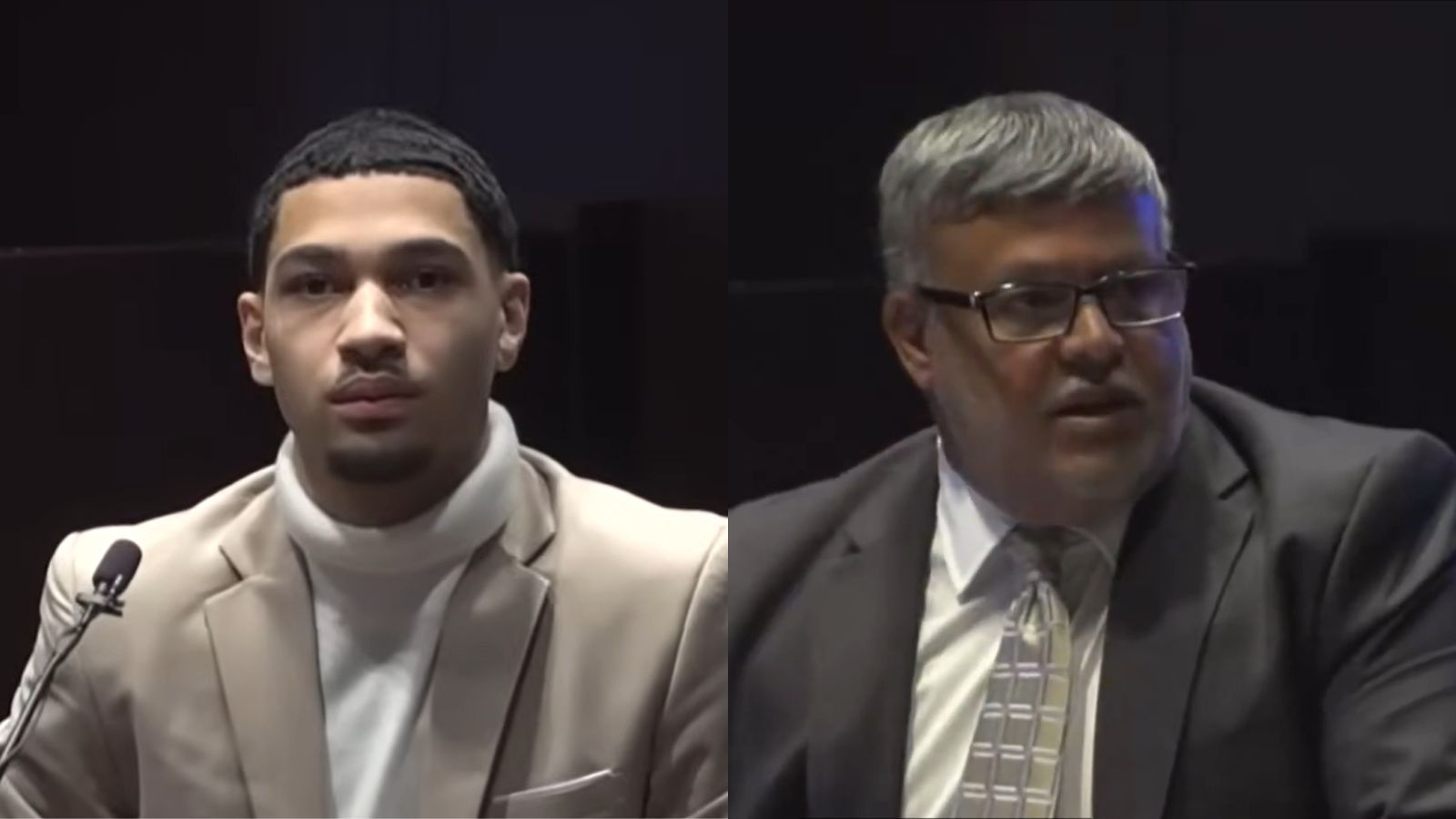

Julio Foolio’s murder case is back in the headlines, this time because of Sean Gathright, and the testimony of one person who is close to the case. Gathright, who is one of the four men convicted of the rapper’s murder has received support in the form of a statement from his jail warden who has suggested life in prison instead of a death sentence, and the reason behind that has the internet divided.
Gathright, 20, was convicted of first-degree murder and conspiracy to commit murder in the death of Charles Jones, the Jacksonville rapper known publicly as Julio Foolio. With prosecutors pushing hard for the death penalty, the jury is now tasked with deciding whether he lives or dies. And into that high-stakes setting, walked a jail warden with a pretty unconventional pitch: spare this man’s life because the prison system depends on inmates like him.
“He’s someone that’s young, he’s healthy. In reality we need that labor, we need that ‘sweat equity’ and we will put him out there to work.”
The warden argued that Sean Gathright should avoid the death penalty because prisons need his sweat equity and labor. The defense clearly calculates that framing him as a productive, useful, and reformable human being would carry more weight with the jury than pure emotional appeals. However, it has also raised serious questions about ethics and morals and how the prison system works.
The murder took place as Foolio celebrated his 26th birthday in Tampa, after the defendants tracked his movements through social media and ambushed him outside a hotel, firing into his car. Three other people were wounded in the shooting.
So will Sean Gathright get the death penalty?
Under Florida law, a unanimous jury vote for death is not required. As of 2023, at least eight out of twelve jurors must agree before a death recommendation can be made which means the defense only needs to flip four people and he can escape death.
Sean Gathright himself took the stand during the penalty phase and tried to make a similar case through a different lens. He told the jury that he takes part in prayer circles, mentors other inmates, and has read the Bible cover to cover.
His statement read,
“I’ve tried to be a vessel for God to pour over my blessings and those around me. I feel very remorseful. This is a terrible situation. It’s been a traumatic experience.”
The jury now carries the weight of all of it: the grief of a mother, the repentance of a 20-year-old Sean Gathright, and apparently, the labor needs of a correctional facility. Whatever they decide, it will have an impact of all three.
Edited by Nibir Konwar