The French drugmaker is acquiring a hepatitis B vaccine maker as declining U.S. vaccination rates and policy shifts reshape the industry
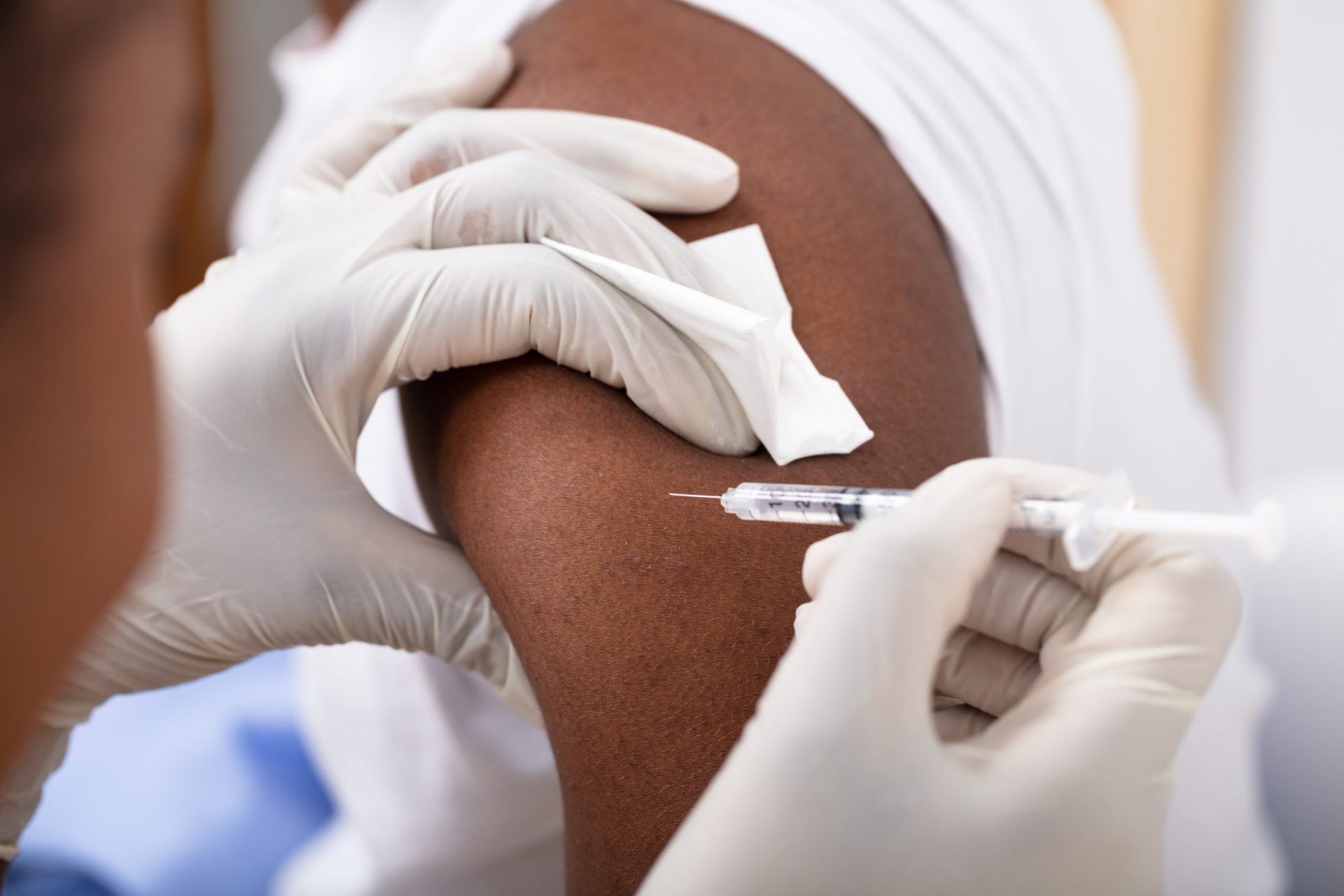
Sanofi announced Wednesday it will acquire U.S. vaccines company Dynavax Technologies for approximately $2.2 billion, gaining access to an approved hepatitis B vaccine as the French pharmaceutical giant continues diversifying its portfolio beyond its blockbuster asthma medication Dupixent. The deal represents Sanofi’s second major vaccine acquisition this year and comes during a period of significant policy upheaval affecting the American immunization landscape.
The company will pay $15.50 in cash per share for Dynavax, representing a 39 percent premium over the vaccine maker’s closing price of $11.13 on Tuesday. Shares of Dynavax surged 37.5 percent to $15.31 in Wednesday trading as investors reacted to the substantial premium being offered for the California-based biotech firm.
An aggressive acquisition strategy
This purchase marks the latest in a series of deals Sanofi has pursued throughout 2025 as it works to reduce dependence on Dupixent for revenue growth. The company acquired UK private biotech firm Vicebio for $1.5 billion in July, shortly after finalizing an arrangement worth up to $9.5 billion for U.S.-based rare disease drugmaker BluePrint Medicines. The rapid succession of transactions demonstrates management’s commitment to building a more diversified pharmaceutical business capable of weathering patent expirations and competitive pressures.
Sanofi expects to complete the Dynavax acquisition during the first quarter of 2026 using available cash reserves. The company indicated the transaction would not affect its 2025 financial outlook, though its shares slipped 0.5 percent following the announcement as investors digested the implications.
Navigating a challenging vaccine environment
The timing of this deal appears counterintuitive given current headwinds facing the vaccine industry. Health Secretary Robert F. Kennedy Jr. has taken aggressive action against vaccination programs, cutting funding for research initiatives and removing the head of the Centers for Disease Control and Prevention, the federal agency responsible for making vaccine recommendations. Agency advisers recently eliminated a longstanding recommendation that all American newborns receive the hepatitis B shot, a decision that could directly impact demand for Dynavax’s core product.
Earlier this year, Sanofi acknowledged lower vaccination rates stemming partly from negative sentiment surrounding immunizations. British competitor GSK has flagged similar pressure affecting U.S. vaccine sales, while Australian biotech CSL delayed plans to spin off its vaccine division, citing heightened volatility and a steeper than anticipated decline in American vaccination rates.
Potential upside from pipeline assets
Beyond the approved hepatitis B vaccine, the acquisition provides Sanofi with access to an experimental shingles vaccine currently in early stage testing. Analysts at J.P. Morgan characterized the deal as a solid strategic fit for the drugmaker, noting the experimental shot known as Z-1018 could potentially capture market share in the lucrative shingles prevention space.
The analysts suggested that if early clinical data can be replicated in larger trials, the experimental vaccine might challenge GSK’s dominant Shingrix product, which is tracking toward 4 billion euros in sales this year. Successfully developing this pipeline asset could justify the acquisition price even if the core hepatitis B business faces ongoing market pressures from policy changes.
A disappointing regulatory setback
Separately, Sanofi disclosed Wednesday that the U.S. Food and Drug Administration declined to approve its experimental drug tolebrutinib for treating patients with a specific form of multiple sclerosis. Houman Ashrafian, Sanofi’s head of research and development, expressed disappointment with the decision and suggested the FDA should incorporate perspectives from scientific experts, clinicians and patients when evaluating new therapies.
The regulatory rejection compounds a difficult year for Sanofi‘s experimental drug portfolio. Data from investigational treatments for eczema and chronic obstructive pulmonary disease in smokers disappointed investors earlier in 2025, contributing to the company’s shares underperforming the broader European pharmaceutical sector index. Analysts at Jefferies warned the latest FDA decision could further damage investor sentiment and raised questions about management credibility.
Source: Reuters