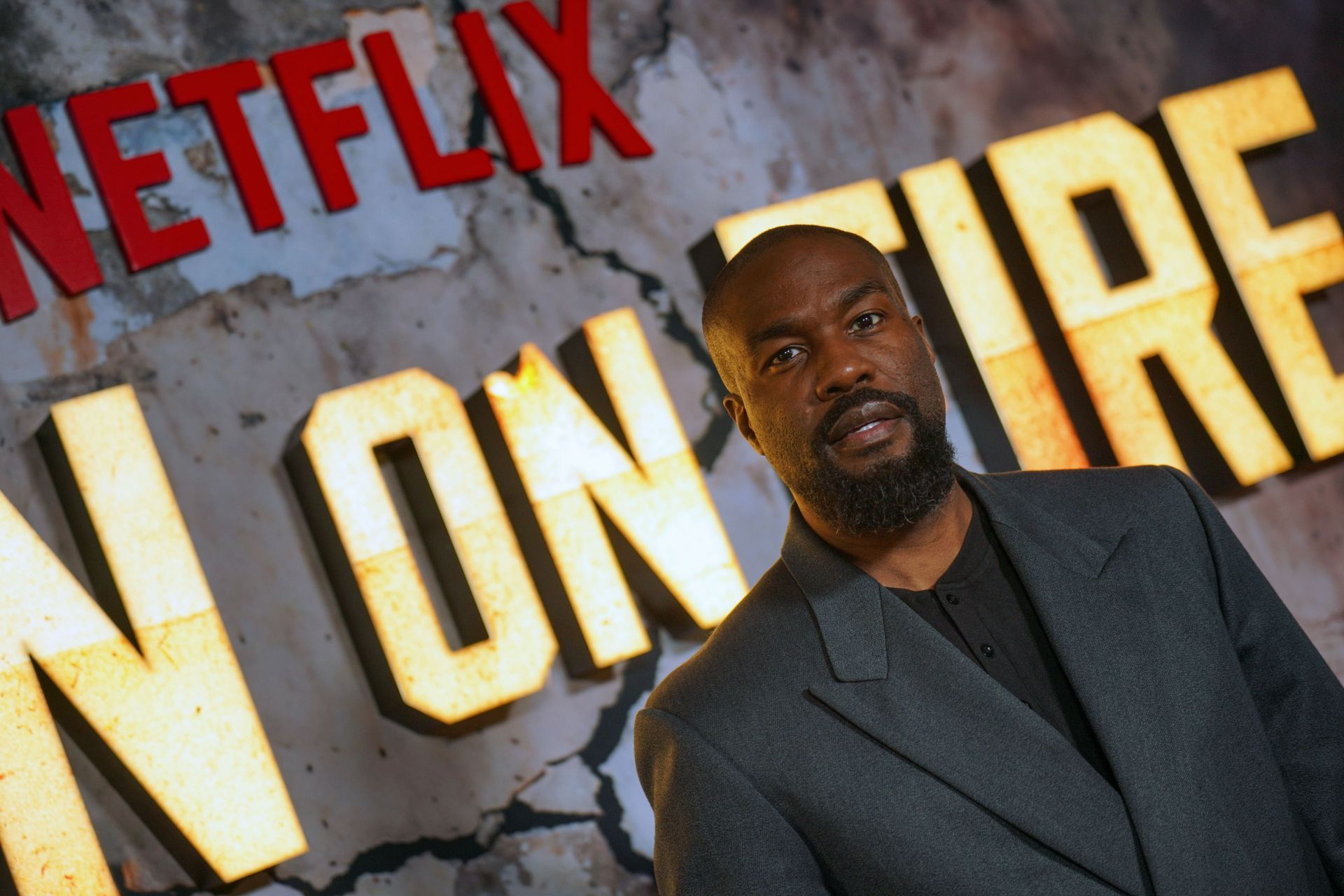

The Netflix series Man on Fire does not have a big, happy ending, but a very real one, and that’s the whole point. With Yahya Abdul-Mateen II starring as John Creasy, the conclusion is far from neat. Rather than a triumphant victory or straightforward revenge arc, it’s about pain, hard decisions, and the reality that sometimes there’s no simple solution to certain things.
In the last episode of Man on Fire, Creasy is not only fighting his enemies. He’s dealing with loss, regret, and the fact that revenge isn’t truly satisfying. The finale is deliberately open-ended, prompting questions about justice in a world full of evil.
Creasy’s final mission: justice vs. obsession
In the final episode of Man on Fire, Creasy ultimately gets a grip on the larger conspiracy at play. What starts as a revenge plot after Poe’s family is murdered becomes something even bigger, involving a lot of politics, crime, and corruption. But Creasy doesn’t really win in the true sense. He does create problems for some people, but he couldn’t bring down the whole system. For every bad guy he kills, there are others.
That’s why the Man on Fire finale is tragic, not triumphant. He isn’t heroically saving the world; he’s just preventing things from getting worse. He is still scared. He cannot forget about the past traumas and losses. And the violence surely doesn’t cure him, but it fuels his rage further. This is not your usual revenge narrative; it illustrates that justice is not always served and vengeance can be costly.
Poe is the moral anchor
While Creasy is a madman, Poe, played by Billie Boullet, is his conscience. She is not just his ‘shoulder to cry on,’ she shapes his judgment of right and wrong. By the end, Poe gives him reasons not to go down the path of vengeance. Because once he has her, his actions will have consequences that affect more than just himself.
This alters everything in Man on Fire’s final episode. Creasy is not only fighting back, but he’s also trying to save Poe’s life. This is as close as the show can get to redemption. But it doesn’t come easily. Creasy is still violent and broken. But he becomes a bit less terrible. That’s where Poe is important. She’s the line in the sand he won’t cross. Without her, it would be hollow. With her, it’s sweetly tragic; it’s tenuous, but there’s hope.
Man on Fire Episode 7 is an open ending
The Man on Fire ending isn’t neat and tidy, and that’s intentional. There are loose ends: the conspiracy isn’t fully dealt with, the future of Creasy is uncertain, and the emotional pain is still there. That matches the overarching theme: people don’t get fixed; they just learn to live with their flaws and anguish.
Creasy isn’t fixed. He learns to cope with it. That’s why it feels peaceful; he’s not defined by what lies ahead. It also leaves room for more story. There are still bad guys, power plays, and unresolved issues that could be explored, perhaps in another chapter. But even if this is the end, it works, because in a story about trauma and violence, leaving behind more questions instead of answers feels brutally authentic.
For more such insights on Man on Fire, keep following SoapCentral.
Edited by Sroban Ghosh