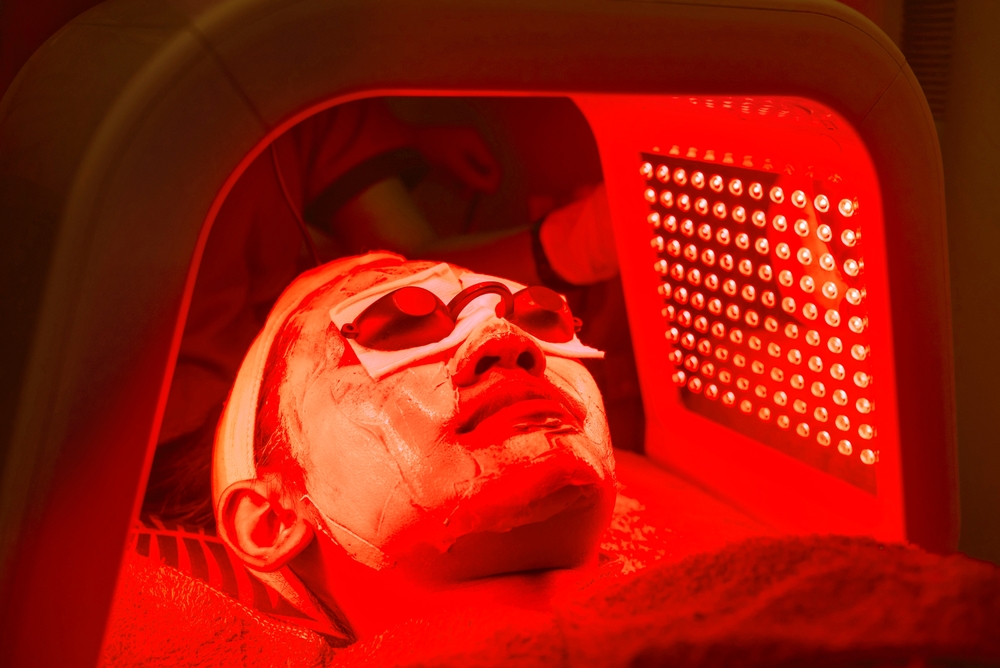
The wellness trend claims to heal everything from wrinkles to chronic pain, but scientific evidence remains frustratingly inconsistent
Red light therapy has become one of the wellness industry’s hottest trends. Spas offer it. Influencers promote it. Home devices sell for hundreds of dollars with promises to reduce wrinkles, ease pain, accelerate healing, and improve nearly every aspect of health. The marketing suggests a miracle treatment backed by science. The actual research tells a more complicated story where some benefits appear real while others remain unproven despite enthusiastic claims.
The treatment involves exposing skin to low-wavelength red or near-infrared light, typically through LED panels. Unlike UV light, which damages skin, these wavelengths supposedly penetrate tissue to stimulate cellular energy production. Proponents claim this triggers healing processes throughout the body. The appeal is obvious in a culture seeking non-invasive treatments without pharmaceutical side effects. The question is whether the benefits justify the investment and hype.
Red light therapy research shows inconsistent outcomes
Scientific studies on red light therapy produce frustratingly mixed results. Some research demonstrates measurable improvements in wound healing and skin appearance. Other studies with similar protocols find no significant effects. This inconsistency makes it difficult to determine what works, for whom, and under what conditions.
The most promising evidence exists for skin rejuvenation. Multiple studies show that specific wavelengths and doses can increase collagen production, reduce fine lines, and improve skin texture. Dermatologists increasingly accept that red light therapy offers legitimate benefits for certain skin concerns when parameters are properly controlled. This doesn’t mean every device or treatment delivers these results, but the mechanism appears scientifically sound.
Evidence for pain relief and inflammation reduction remains weaker despite widespread marketing claims. Some studies suggest benefits for conditions like arthritis or muscle soreness, while others find placebo-level effects. The variability might stem from differences in wavelength, intensity, duration, or distance from skin. Without standardized protocols, comparing studies becomes nearly impossible.
Red light devices flood the market without regulation
The explosion of home red light therapy devices created a market with minimal quality control. Products range from $50 handheld units to $3,000 full-body panels. Many make identical claims despite vastly different specifications. Consumers face impossible choices without expertise to evaluate whether devices deliver therapeutic wavelengths at effective intensities.
Medical-grade devices used in research typically specify exact wavelengths, power density, and treatment protocols. Consumer products often provide vague specifications or none at all. A device might claim to emit red light without disclosing whether it produces the specific 630-to-850 nanometer wavelengths that research suggests might be therapeutic. Marketing emphasizes benefits while obscuring technical details that determine effectiveness.
The lack of FDA regulation for these devices means manufacturers can make broad health claims without proving efficacy. The FDA classifies most red light therapy devices as low-risk, requiring minimal oversight. This creates a market where products can promise extraordinary results while delivering questionable or inconsistent light output.
Red light therapy mechanisms remain poorly understood
Scientists haven’t fully established how red light therapy works when it does produce effects. The leading theory involves mitochondria, the cellular powerhouses that produce energy. Specific light wavelengths supposedly enhance mitochondrial function, increasing ATP production and triggering beneficial cellular processes.
This explanation sounds plausible and aligns with some research findings. However, it’s also simplified to the point of being potentially misleading. The body is complex. The idea that shining light on skin consistently produces specific beneficial effects throughout the body requires more mechanistic evidence than currently exists.
Placebo effects complicate research on red light therapy. People who invest time and money in treatments often report improvements regardless of actual physiological changes. Studies need rigorous placebo controls, but many published research papers lack them. Industry-funded studies, which comprise a significant portion of red light therapy research, show more positive results than independent investigations.
Red light therapy costs add up without guarantees
Professional red light therapy sessions cost $25 to $100 each, with providers typically recommending multiple weekly treatments for months. Home devices require upfront investment followed by ongoing time commitment. For conditions with established effective treatments, choosing unproven red light therapy instead represents a gamble with health and finances.
The opportunity cost matters too. Someone spending hundreds on red light devices and hours on treatments might achieve better results investing that time and money in exercise, sleep improvement, or established medical care. The appeal of passive treatments where you simply stand in front of a light panel doesn’t mean they deliver value comparable to active interventions.
For minor concerns like skin appearance where stakes are low, experimenting with red light therapy poses minimal risk beyond wasted money. For serious conditions like chronic pain or depression, relying on unproven treatments while delaying evidence-based care creates genuine health risks.
Red light therapy needs better research and honest marketing
The wellness industry thrives on products that promise results without definitive proof. Red light therapy fits this pattern perfectly. Enough preliminary research exists to make claims sound scientifically grounded while evidence gaps allow exaggeration of benefits and downplaying of limitations.
Better research requires standardized protocols, independent funding, and rigorous placebo controls. Until that exists, consumers face markets flooded with devices making claims that outpace evidence. Some people will experience benefits, whether from actual therapeutic effects or placebo responses. Others will waste money on expensive equipment that does nothing.
The truth about red light therapy likely falls between miracle cure and complete scam. Some applications probably work for some people under specific conditions. Marketing that promises universal benefits for dozens of conditions while scientific consensus remains elusive deserves skepticism regardless of how many influencers promote their favorite devices.