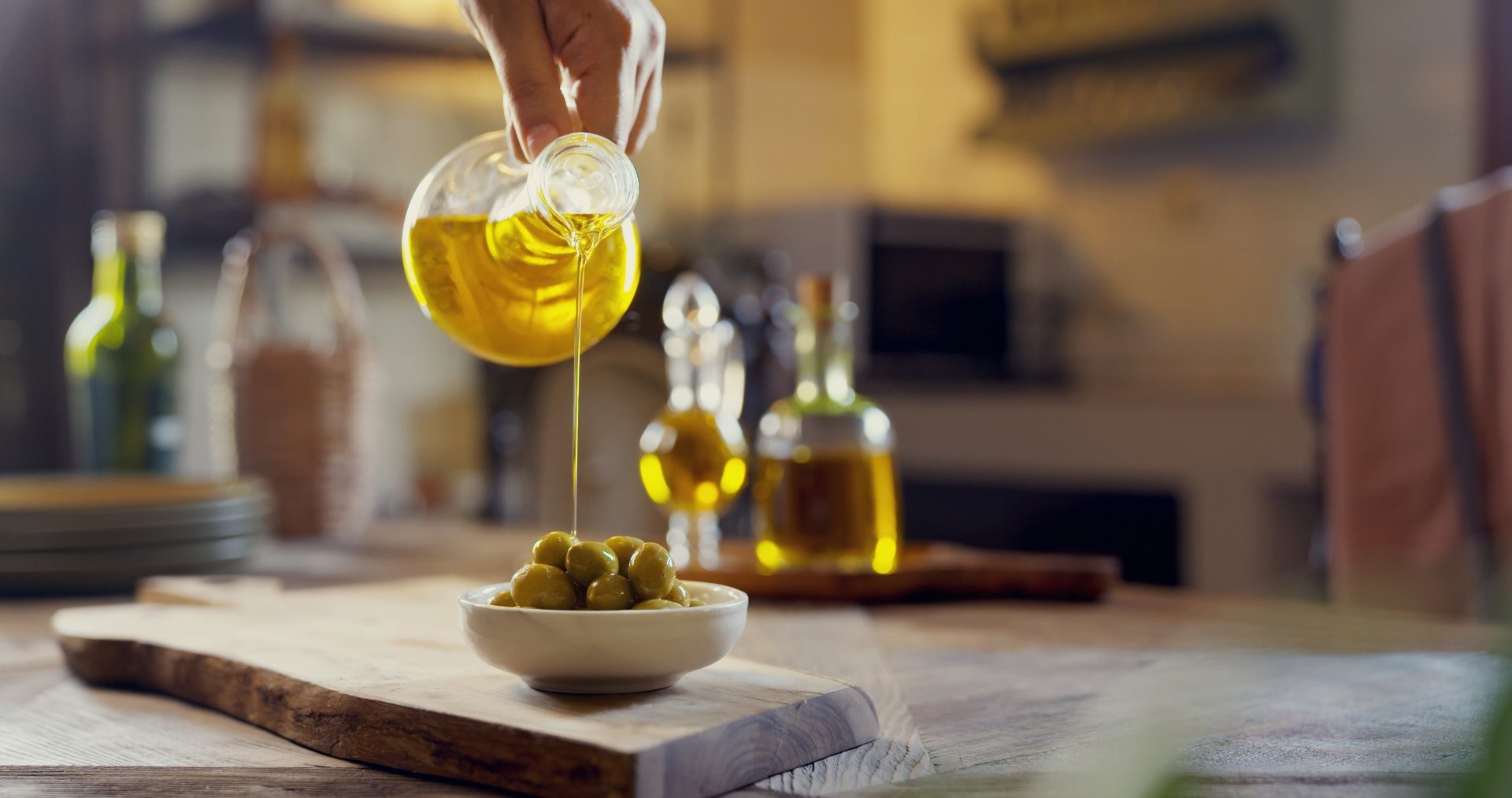
Understanding grades, production methods, and freshness reveals why price differences exist and which bottles deliver actual health benefits
Olive oil labeling creates confusion that benefits producers more than consumers. Terms like extra virgin, virgin, and pure appear on bottles with little explanation of what separates them. The price range spans from budget to premium with unclear justification. Most shoppers grab whatever fits their budget, assuming oil is oil. The differences run deeper than marketing.
Production method determines olive oil quality before anything else. Extra virgin comes from the first cold pressing of olives, extracted mechanically without heat or chemicals. This preserves flavor compounds and beneficial nutrients. Virgin oil follows similar processes but with slightly lower quality standards. Everything labeled simply olive oil or pure has been refined, stripped of much that made it nutritious or flavorful in the first place.
Refined oils start as lower quality olives or oil that failed extra virgin standards. Processing removes defects along with most health benefits. These oils get mixed with small amounts of virgin oil for flavor, then sold at lower prices. They work fine for high-heat cooking but offer minimal nutritional value compared to extra virgin varieties.
Olive oil freshness impacts everything
Oil oxidizes over time. Light, heat, and air accelerate degradation. The beneficial compounds that make extra virgin oil valuable break down, losing both flavor and health properties. Harvest date matters as much as production method, yet most bottles don’t display this information clearly.
Europeans generally consume olive oil within a year of harvest. American bottles often sit on shelves far longer. The oil might technically be fine but has lost much of what made it worth buying. No regulation requires harvest date labeling in many markets. Consumers fly blind on freshness.
Dark glass bottles protect contents better than clear ones. Oil stored in transparent containers degrades faster from light exposure. The packaging choice signals whether producers care about quality or just appearance. Premium oils almost always come in dark glass. Cheap oils often use clear plastic that looks worse but costs less to produce and ship.
Why olive oil fraud persists
International olive oil trade operates with loose oversight. Different countries maintain different standards. Products labeled extra virgin in one market might not qualify elsewhere. Testing costs money. Enforcement requires resources. Many importers and retailers trust supplier claims without verification.
Adulteration happens more than industry admits. Lower-grade oils get mixed with small amounts of quality oil and sold at premium prices. Some bottles contain seed oils with added color and flavor. Laboratory testing can detect these frauds, but most consumers lack access to analysis. They trust labels that may not reflect contents.
Italy produces less olive oil than it exports. The math doesn’t work unless significant quantities come from elsewhere and get relabeled. Not all Italian olive oil originates in Italy. Country of origin labeling often refers to where bottling occurred rather than where olives grew. Spanish or Tunisian oil bottled in Italy becomes Italian oil in consumer perception.
What olive oil quality actually means
Real extra virgin oil tastes distinctive. Peppery, grassy, sometimes bitter notes indicate the presence of polyphenols and other compounds that provide health benefits. Smooth, bland oil lacks these attributes. Defects like rancidity, mustiness, or metallic flavors disqualify oil from extra virgin status, though they rarely prevent sale as lower grades.
Tasting helps identify quality better than reading labels. Good oil should have some bitterness or bite. It shouldn’t taste like nothing. Completely neutral flavor suggests heavy refining or degradation. If you can use it for everything with no impact on dish flavor, it probably offers minimal nutritional benefit.
Color means little. Olive oil ranges from deep green to golden yellow based on olive variety and processing. Neither shade indicates superior quality. Producers sometimes add chlorophyll for greener appearance that consumers associate with freshness. Judge oil by taste and aroma, not appearance.
Making olive oil choices
Buy smaller bottles more frequently rather than large containers that oxidize before use. Store away from heat and light. Use opened bottles within months. Save highest-quality oil for raw applications like dressings where you taste it directly. Cook with less expensive versions when high heat will destroy subtle flavors anyway.
Seek harvest dates and country of origin. Pay attention to price. Extremely cheap extra virgin oil raises questions about authenticity. Real production costs money. Prices below certain thresholds suggest compromised quality or misleading labels. Not all expensive oil is good, but good oil rarely comes cheap.
Understanding what separates great olive oil from mediocre versions helps navigate confusing marketing and make informed choices that affect both cooking results and health outcomes.