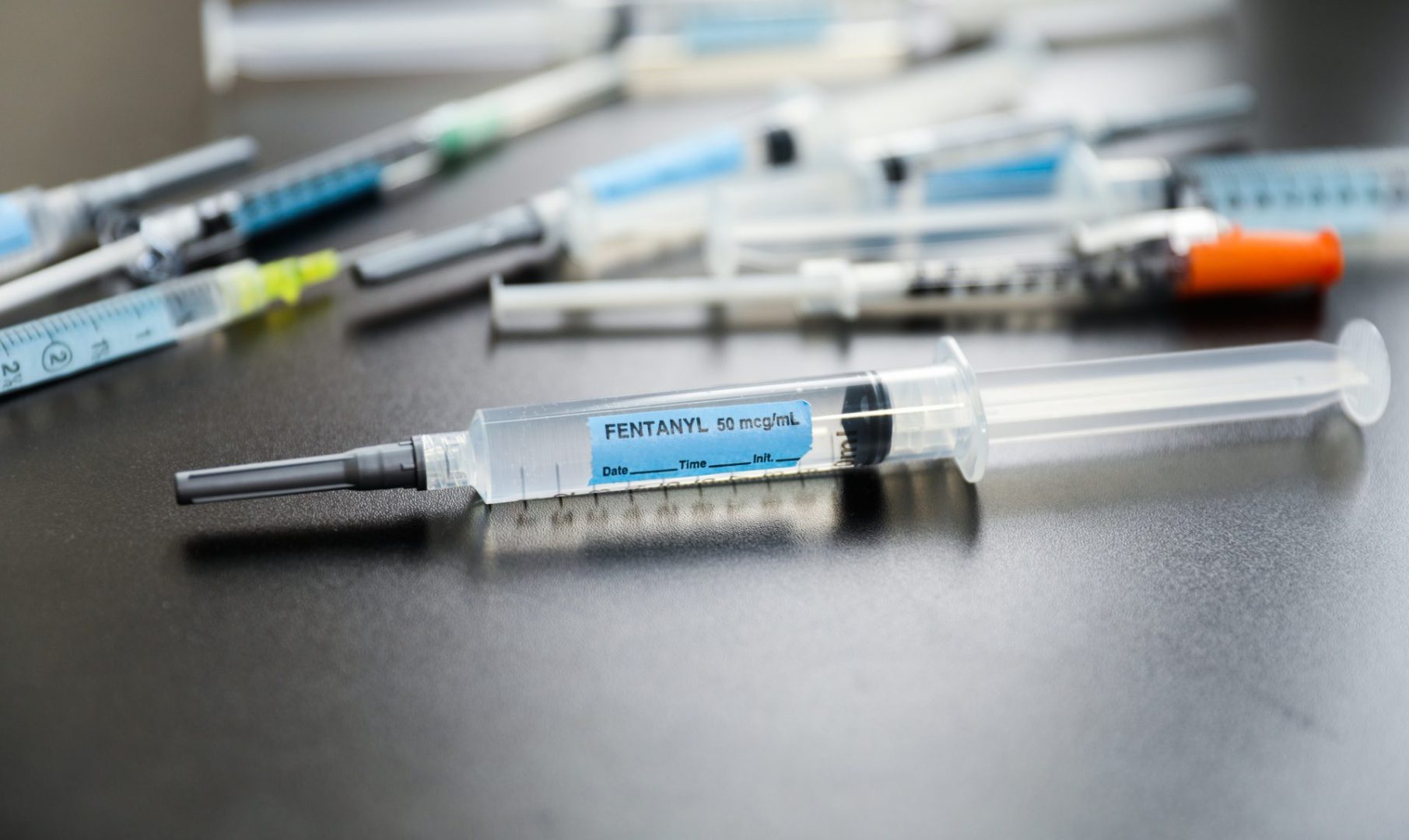
After years of development, an experimental vaccine designed to block the effects of fentanyl has officially moved into early stage human trials a milestone that medical experts and addiction prevention advocates are calling a meaningful step forward in the fight against one of the deadliest drug crises in American history.
The vaccine, developed through a collaboration between ARMR Sciences and the University of Houston, works by training the immune system to recognize and neutralize fentanyl before it can produce the euphoric high associated with its abuse. Researchers say that by blocking those effects, the vaccine could also significantly reduce the risk of a fatal overdose.
According to the U.S. Centers for Disease Control and Prevention, fentanyl is involved in nearly three quarters of all drug overdose deaths in the country a figure that has made the synthetic opioid the central driver of an epidemic that continues to claim tens of thousands of lives each year.
How the vaccine works
The science behind the vaccine centers on a process that prompts the body’s immune system to do what it naturally does best. Scientists combined a fentanyl like molecule with components derived from diphtheria and E. coli. When introduced into the body, the immune system identifies those substances as foreign and responds by producing antibodies. Those antibodies are then able to bind directly to fentanyl molecules, potentially blocking the drug from reaching the brain and preventing the dangerous effects that make it so deadly.
The approach is grounded in established immunological principles, though applying them to a synthetic opioid of fentanyl’s potency represents a significant scientific undertaking that has taken years of preclinical work to reach this stage.
What still needs to be answered
Moving into human trials marks a critical transition, but researchers are clear that important questions remain. Among the most pressing are how long the vaccine’s protection would last, which populations would benefit most from receiving it and whether it could complicate medical situations where fentanyl based anesthesia is required during surgery or other procedures.
Those questions are expected to be central to what investigators hope to learn during this phase of the trial, and the answers will likely shape how the vaccine is eventually used if it earns approval. Researchers caution that it could still be several years before a fentanyl vaccine becomes publicly available, even in a best case scenario.
A new tool in an existing fight
For those already working on the front lines of fentanyl education and prevention, the news of the vaccine advancing to human trials has been received as an addition to rather than a replacement for the tools already in use.
Fentanyl Fathers, a nonprofit prevention organization founded after a family lost a son and brother to a drug overdose in 2013, has continued traveling the country speaking with students, educators and administrators about the dangers of fentanyl and other illicit substances. The organization views the vaccine as a complement to existing resources like naloxone, school based education and community outreach not a reason to scale those efforts back.
That perspective reflects a broader consensus among prevention advocates: no single solution will resolve a crisis as complex and deeply rooted as the opioid epidemic. But each credible tool that enters the fight matters.
The organization, angelarmy.com, is currently seeking volunteers, students and administrators interested in substance abuse disorder educational programming.
What comes next
The human trial phase will be closely watched by researchers, public health officials and advocates alike. If the vaccine demonstrates the safety and efficacy needed to move forward, it could eventually become one of the more consequential developments in addiction medicine in recent decades.
For now, scientists are focused on gathering data, answering the open questions and ensuring that the promise shown in earlier research holds up under human testing. The road ahead is long, but for the first time, a fentanyl vaccine is being tested in people and that alone marks a turning point.