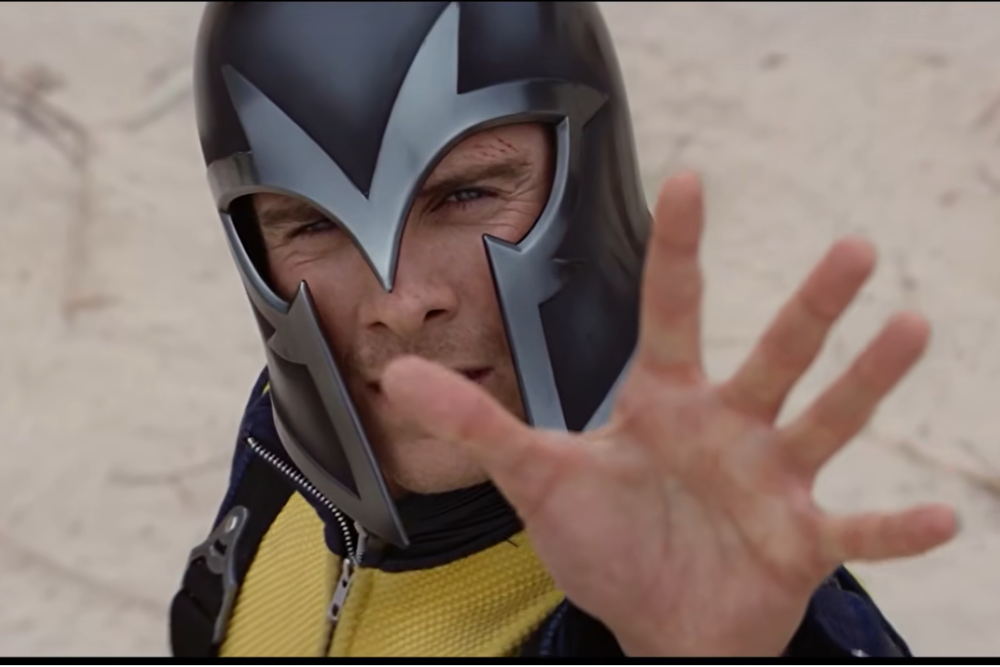
Following Avengers: Secret Wars, a brand new X-Men film is in the works that wipes the slate complet
After years of fan anticipation, Marvel Studios has confirmed plans to reboot the X-Men franchise entirely, setting the stage for the mutants to finally join the Marvel Cinematic Universe proper. The new film will be directed by Thunderbolts director Jake Schreier and will follow the events of the upcoming Avengers: Secret Wars. The project will be completely separate from the previous X-Men films produced during the Fox era, drawing a clear line between the old continuity and a fresh start under the Marvel Studios banner.
The move represents one of the most significant moments in the history of Marvel’s cinematic ambitions, finally uniting all of its major characters under one shared universe roof.
How the X-Men changed superhero cinema forever
The original Fox X-Men film released in the year 2000 arrived at a moment when the superhero genre was in serious trouble. Batman’s cinematic reputation had been damaged by the campy excess of Batman and Robin, and Superman had not appeared on screen since the 1980s. The X-Men film, directed by Bryan Singer, changed everything by grounding the material in science fiction themes about prejudice, fear and the arrival of a new kind of humanity. It became a cultural phenomenon and laid the groundwork for the modern superhero blockbuster era that followed.
Over the subsequent two decades, the franchise reinvented itself repeatedly, producing critically praised entries including X-Men: Days of Future Past, the stripped-back character study Logan and the wildly successful R-rated Deadpool comedies. Even as other superhero franchises rose and fell, the X-Men brand proved remarkably durable, adapting to changing tastes while maintaining its core thematic identity around the mutant experience as a metaphor for minority oppression and social otherness.
Why the X-Men matter more than any other Marvel property
Within Marvel’s publishing history, the X-Men occupy a unique position. Their reinvention by writer Chris Claremont in the 1970s transformed them from a struggling title into the most popular comic book series in the world during the 1980s, spawning numerous successful spinoffs including X-Force, X-Factor and solo series for characters like Wolverine, Cable and Deadpool. The brand’s ability to carry weighty sociopolitical themes while also delivering thrilling action has given it an enduring edge over many other superhero properties.
That same quality translates directly to why the X-Men’s arrival in the MCU carries so much weight. The Avengers became globally beloved largely because of their films. The X-Men already arrived with a devoted multigenerational fanbase and decades of storytelling legacy behind them. Getting the reboot right means honoring that legacy while building something new enough to attract audiences who have never picked up a comic book in their lives.
The stakes could not be higher for Marvel Studios
The timing of the X-Men reboot is significant. The MCU has faced growing criticism in recent years over the quality and direction of its output, with audience enthusiasm cooling considerably from its peak during the Infinity Saga era. The upcoming Avengers: Doomsday is leaning heavily on nostalgia, incorporating characters from the Fox X-Men films in what amounts to a farewell to that continuity before the slate is wiped clean.
If the post-Secret Wars MCU does represent a genuine fresh start, the potential exists for the Avengers, X-Men, Fantastic Four and Spider-Man to all exist simultaneously in a single shared universe for the first time. That has been the dream of Marvel fans for decades, and it would represent a full-circle moment that echoes the days when Spider-Man and the X-Men were the twin pillars of Marvel’s publishing empire.
Whether Marvel Studios can deliver on that promise will depend entirely on how well it handles the X-Men reboot. It is simultaneously the brand’s greatest opportunity and its most consequential test in years.
Source: CBR