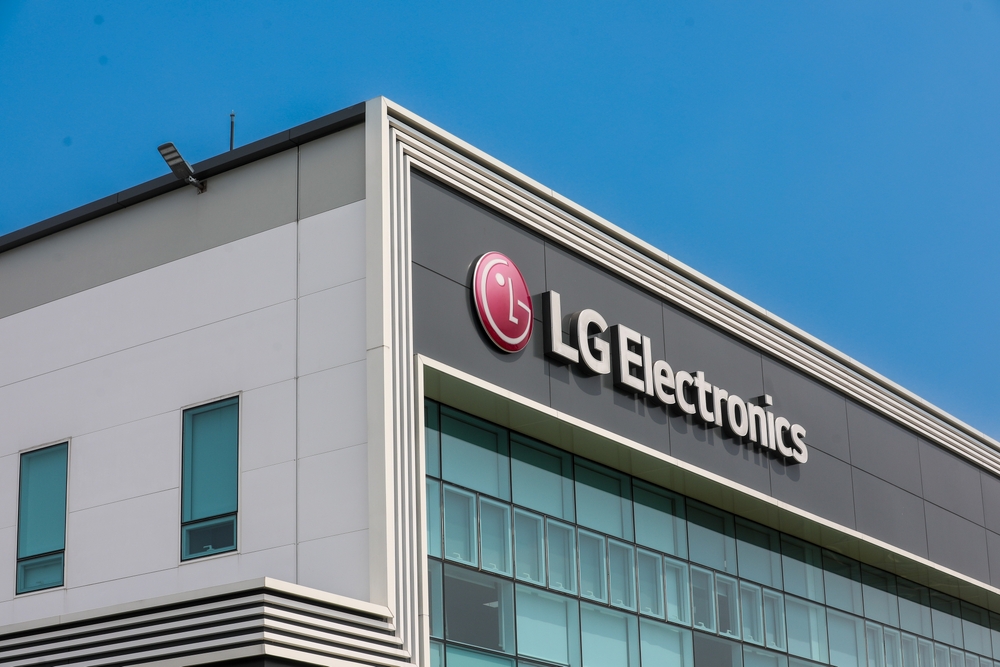
LG Electronics enters the blockchain advertising space
LG Electronics, one of the world’s largest consumer electronics and home appliance companies, is building a blockchain-powered advertising network designed to give advertisers and publishers a shared, transparent record of ad inventory and customer engagement. The South Korean tech giant confirmed the development exclusively to Fortune, revealing that it has been working with Arbitrum, a layer-2 protocol built on top of Ethereum, to develop its own dedicated blockchain infrastructure.
The collaboration resulted in LG building its own layer-2 network, which processes transactions more efficiently and at significantly lower cost by batching multiple transactions together. LG Electronics has its own dedicated blockchain research lab and piloted the project with an unnamed Japanese advertising agency ahead of a broader launch. The company said it will explore how to bring the platform to market later this year.
What the platform actually does
The new system addresses a persistent problem in digital advertising: fragmentation. Today, advertisers, publishers and platforms often operate in silos, with no shared view of inventory, performance or customer interaction data. LG’s blockchain platform creates a unified database that all parties can access and trust, with every ad impression and customer interaction recorded on the decentralized ledger in a way that cannot be manipulated after the fact.
The approach is also expected to reduce the need for manual processes in the ad buying and selling cycle. By running the market through automated software on the blockchain, transactions that previously required human intervention can be handled programmatically, increasing speed and reducing friction across the entire advertising ecosystem.
LG’s long history with blockchain
LG Electronics is not a newcomer to distributed ledger technology. The company has been among the earliest global technology companies to embrace blockchain in a meaningful way. In 2018, LG CNS, the group’s IT solutions arm, introduced the Monachain platform, a proprietary blockchain designed to support industries including finance, manufacturing, logistics and media.
In September 2022, LG launched LG Art Lab, an NFT marketplace built on Hedera that allowed compatible smart TV users to purchase, sell and display NFTs directly on their televisions, marking the company’s entry into the NFT and metaverse sector. The new advertising blockchain represents the next evolution of that strategic commitment to decentralized technology.
A broader corporate trend
LG is entering a space that is quietly attracting some of the biggest names in corporate America. Fintech giant Stripe worked with venture firm Paradigm to develop a high-speed blockchain called Tempo. Stablecoin issuer Circle is building Arc, its own decentralized ledger. Online brokerage Robinhood is working with Arbitrum to launch a chain for tokenized equities. Even JPMorgan Chase operates its own blockchain unit with a private version of a decentralized database.
The trend reflects a more favorable regulatory environment for crypto in the United States and a growing corporate appetite for owning every layer of the technology stack. That said, the Arbitrum cofounder who worked with LG on the project was direct in noting that launching a blockchain is not the right move for every company, and that for most organizations the answer is likely no. For LG, which has both the technical infrastructure and the consumer device footprint to make a blockchain ad network meaningful, the calculation appears different.
DISCLAIMER: This article is for informational purposes only and does not constitute financial or investment advice.