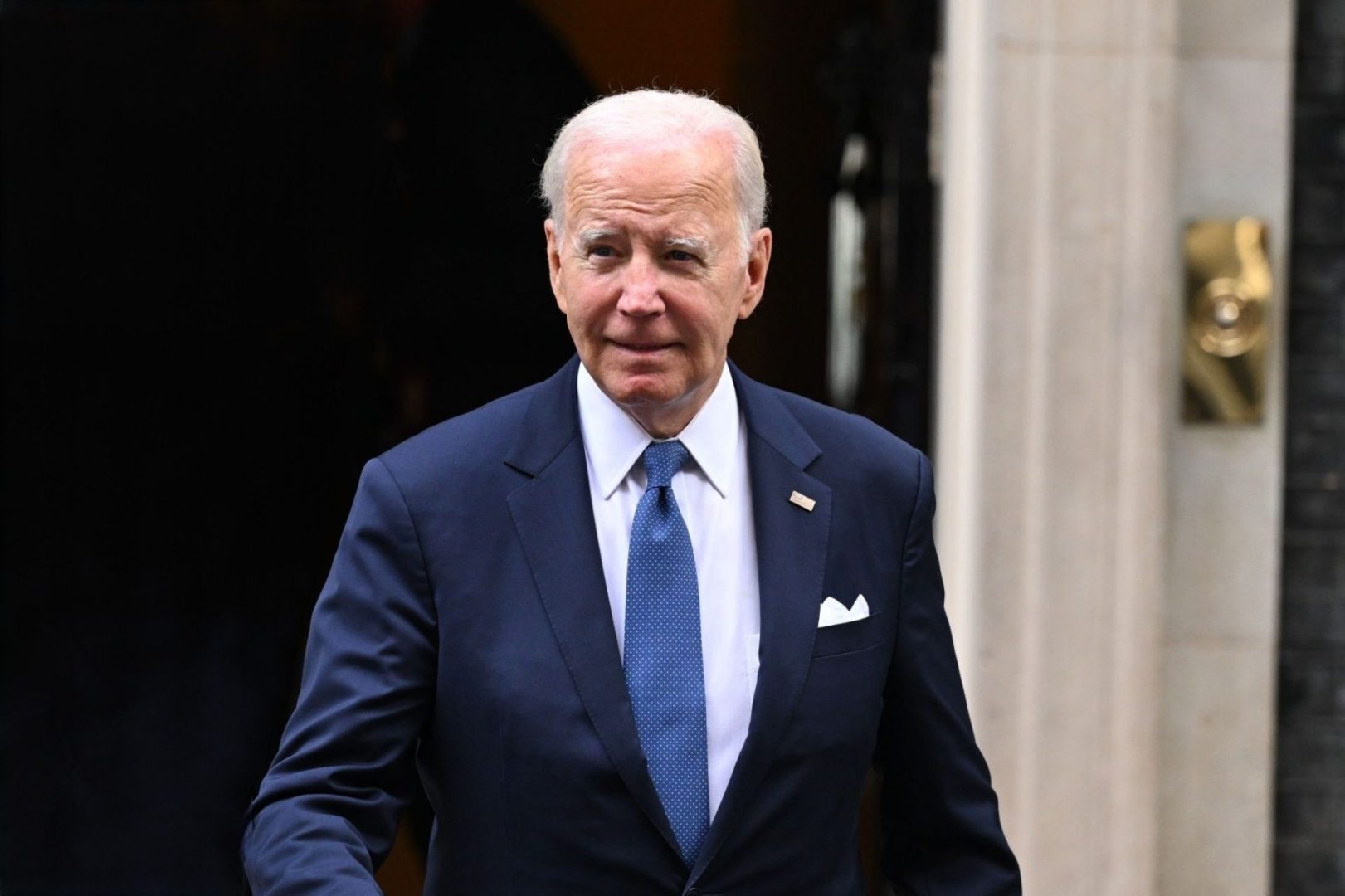
Former President Joe Biden is preparing to take legal action to stop the Trump administration from releasing recordings of his conversations with his ghostwriter — audio that played a central role in Special Counsel Robert Hur’s classified-documents investigation and that contains material Biden’s team has long sought to keep private.
The tapes were made in 2017, when Biden was working with ghostwriter Mark Zwonitzer on his memoir. Hur’s team obtained the recordings during the investigation, and what they contained became the foundation for some of the most politically consequential conclusions in the final report — conclusions that shaped public perception of Biden’s capabilities during the final stretch of his presidency.
Why these tapes matter
Hur, who ultimately declined to prosecute Biden, described the former president in his report in terms that had immediate and lasting political consequences. He characterized Biden as a well-meaning elderly man with significantly limited recall — both during the sessions with Zwonitzer in 2017 and during his interview with investigators in 2023. That characterization became a central point in the debate about Biden’s fitness for office during the 2024 election cycle, contributing to a political environment that ultimately led to his withdrawal from the race.
The recordings document Biden reading directly from journal entries that contained classified information, doing so on at least three separate occasions with language that closely mirrored the original text. In one instance highlighted in Hur’s report, he described to Zwonitzer finding classified material he had retained after leaving the vice presidency — a disclosure Biden has consistently maintained did not constitute sharing classified information.
The DOJ’s plans and the Heritage Foundation lawsuit
The legal confrontation was triggered by a joint status report filed Friday by the Department of Justice. In that document, the DOJ indicated it intended to release redacted versions of both the written transcripts and the underlying audio recordings to two parties: members of Congress, and the Heritage Foundation, a conservative organization that had sought access to the material through a lawsuit filed under the Freedom of Information Act.
Biden’s legal team made clear in the same filing that he intended to seek judicial intervention to prevent those releases from moving forward. The Heritage Foundation’s reaction was pointed. In its portion of the filing, it accused Biden’s team of deliberately stalling, arguing that he had waited considerably longer than a year to attempt to intervene — and that his opposition extended even to sections of the transcript containing language that had already been published verbatim in the public version of the Hur Report. The DOJ said it would not oppose Biden’s intervention, but the Heritage Foundation said it would actively resist it.
Biden’s argument and the political dimension
Biden’s spokesperson, TJ Ducklo, addressed the situation through statements shared with multiple news organizations. He maintained that Biden had cooperated fully with Hur’s investigation and had provided the recordings under a clear mutual understanding that they would not be released publicly. DOJ officials had also reached the conclusion that releasing the material served no legitimate public interest, Ducklo said.
Ducklo positioned the fight in explicitly political terms, arguing that those invoking transparency to justify releasing the Biden recordings had not applied the same standard to the second volume of Special Counsel Jack Smith’s report on Trump’s own alleged mishandling of classified documents. That volume remains unreleased, and Biden’s team contended it contains information the public has a meaningful interest in seeing.
The deadline
The timeline is narrow. If Biden files court documents by Tuesday, the DOJ has agreed to hold off on releasing the material until June. If he fails to meet that deadline, the department has indicated it will move forward with disclosure on a shorter timeline.
Source: Axios/Politico