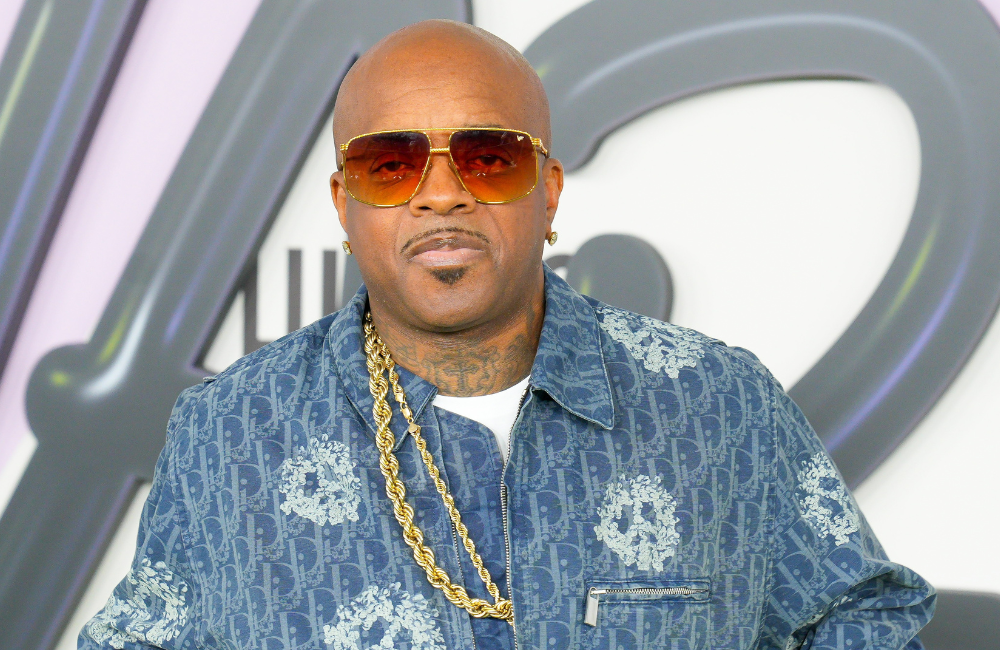
Music producer sparks heated debate after comparing AI artist acceptance to notorious Milli Vanilli Grammy scandal from late 1980s
Legendary music producer Jermaine Dupri has ignited a fierce debate across social media after sharply criticizing the music industry’s growing acceptance of AI artists. His latest comments came in response to a controversial interview where television host Gayle King spoke with Telisha “Nikki” Jones, the creator behind AI artist Xania Monet, who recently achieved the milestone of debuting on a Billboard radio chart.
The heated discussion highlights growing tensions between traditional music creation and emerging AI technology that threatens to reshape the entertainment landscape. Dupri’s passionate stance reflects broader concerns among established artists who worry about authenticity and artistic integrity in an increasingly digital world.
AI breakthrough sparks industry controversy
Xania Monet represents a significant development in artificial intelligence music creation, becoming one of the first AI artists to achieve mainstream radio chart success. Jones, who openly acknowledges her inability to sing, serves as the creative force behind the AI persona by writing lyrics inspired by her personal life experiences.
During the interview, King directly addressed the unusual arrangement by pointing out Jones’s lack of vocal ability, emphasizing the disconnect between AI-generated performances and traditional musical artistry. This exchange underscored fundamental questions about what constitutes authentic music creation in the digital age.
The success of AI artists like Xania Monet has divided industry professionals and fans alike. While some view it as innovative technology that democratizes music creation, others see it as a threat to genuine talent and artistic expression that has defined the music industry for decades.
Dupri draws parallels to infamous music scandal
The veteran producer took to social media platforms to voice his strong disapproval, drawing comparisons between current AI artist acceptance and the notorious Milli Vanilli scandal that rocked the music world in the late 1980s. He questioned how the industry could embrace artists who cannot perform their own material after previously punishing similar deception.
His reference to Milli Vanilli resonated with many music fans who remembered the shocking revelation that Fabrice Morvan and Rob Pilatus had not actually sung on their Grammy-winning records. The Recording Academy’s decision to revoke their Best New Artist Grammy became one of music history’s most infamous scandals.
Dupri argued that accepting AI artists represents a dangerous precedent that undermines the value of authentic musical talent. His position suggests that the industry risks repeating past mistakes by prioritizing commercial success over artistic integrity and genuine performance ability.
Social media erupts with mixed reactions
The producer’s comments triggered intense online debate, with supporters and critics voicing strong opinions about AI’s role in music creation. Some fans agreed with his concerns, suggesting that widespread auto-tune usage had already begun eroding musical authenticity and that AI artists represented the next problematic step.
Others defended AI music creation, arguing that human involvement in writing and producing maintains artistic legitimacy even when artificial intelligence handles vocal performance. This perspective emphasizes the collaborative potential between human creativity and technological advancement.
Several social media users called for consumer action, suggesting that streaming boycotts could prevent AI artists from gaining further industry acceptance. However, opposing voices argued that technological evolution in music creation should be embraced rather than resisted.
Industry figures embrace AI music trend
Despite criticism from traditional artists like Dupri, some prominent industry figures have begun embracing AI technology in their creative processes. Grammy-winning producer Timbaland recently introduced his own AI artist called TaTa Taktumi, defending the technology as a creative enhancement tool.
Timbaland argued that AI music production still requires significant human input, estimating that his AI-assisted work remains 80-85% human-created. His perspective suggests that artificial intelligence can complement rather than replace traditional artistry when used thoughtfully and strategically.
The commercial success of AI artists continues growing, with Jones reportedly securing a $3 million deal with Hallwood Media for Xania Monet. Plans for live performances indicate that AI artists may soon transition from digital novelties to mainstream entertainment acts capable of touring and performing.
This industry evolution suggests that the debate surrounding AI music authenticity will likely intensify as technology advances and more artists explore artificial intelligence as a creative tool.
So let me get this right , years ago the industry found out that Milli Vanilli weren’t really the voices on their Grammy winning record and they were stripped of their Grammy, but now we’re getting ready to accept people who can’t even sing, creating songs for a fake person ?…
— Jermaine Dupri (@jermainedupri) November 6, 2025