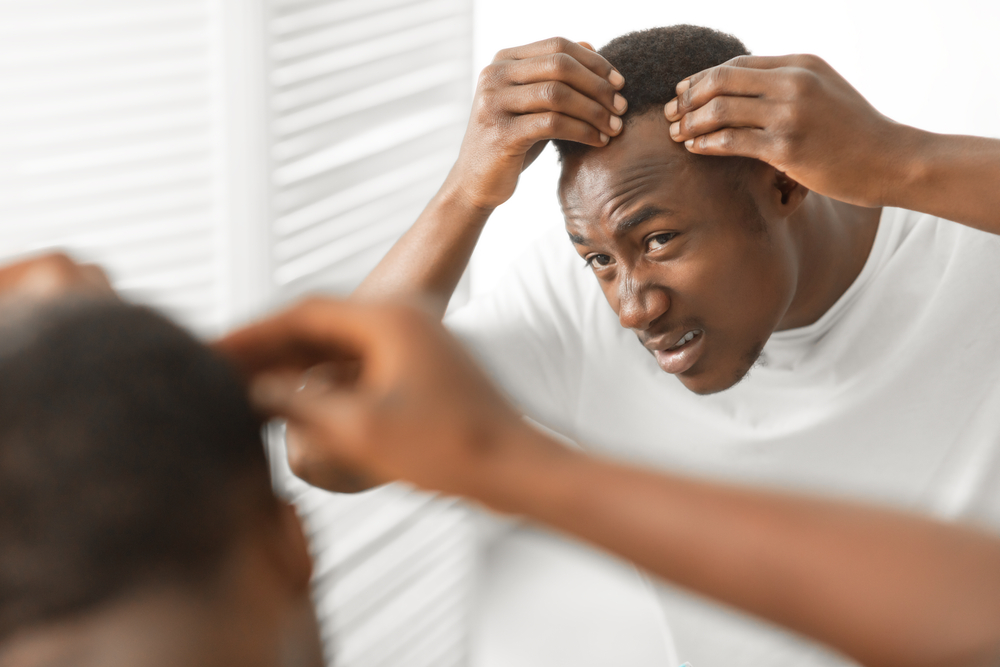
From allergic reactions and fungal infections to chronic conditions like psoriasis, multiple culprits can cause persistent scalp itching and flaking.
Cartoons suggest scratching your head means deep thought or a brilliant idea. In reality, a consistently itchy scalp signals something wrong with your skin or hair health. Before you can stop the itch, you need to identify what’s causing it.
The frustrating part? No single answer explains every case of scalp itchiness. Multiple conditions create that excruciating urge to scratch, and pinpointing the right one requires careful attention to symptoms. Here are eight common causes and what to do about each one.
Reactions to hair products
Contact dermatitis occurs when your skin reacts to an irritating or allergenic substance. Para-phenylenediamine, a chemical in dark hair dyes and henna, frequently triggers reactions, but other hair products can cause problems too. Allergic reactions typically resolve once you identify and avoid the offending chemical. Specialized testing at a dermatologist’s office may be necessary to pinpoint the exact allergen.
Seborrheic dermatitis
The most common cause of itchy scalp is seborrheic dermatitis, the skin condition responsible for dandruff. Your body’s inflammatory response to yeast overgrowth creates itching and flaking. For mild cases, over-the-counter shampoos containing selenium or zinc pyrithione help control yeast. Serious cases require prescription-strength antifungal shampoo or topical cortisone from a healthcare provider.
Hives
Hives can appear on your scalp, causing intense itching and discomfort. These raised welts often disappear quickly on their own. If they persist or recur frequently, see a dermatologist.
Psoriasis
Scalp psoriasis is a chronic autoimmune disease causing raised, reddish, scaly patches called plaques. Family history increases your risk, but you cannot catch psoriasis from other people. Medicated shampoos containing coal tar or salicylic acid help manage symptoms. When these fail, dermatologists can prescribe stronger treatments.
Ringworm
Tinea capitis, or scalp ringworm, is a fungal infection that penetrates deep into hair follicles, causing round patches of hair loss that expand over time. Unlike skin ringworm, which responds to over-the-counter treatments, scalp ringworm requires oral antifungal medication because the organism lives deep in the hair follicle.
Head lice
These tiny insects invade anyone’s scalp and prefer clean hair. Close inspection reveals tiny nits (eggs) glued to individual hair strands. Over-the-counter shampoos containing pyrethrin or permethrin work well when used exactly as directed. If shampoo treatments fail, consult a dermatologist. Skip home remedies like mayonnaise and olive oil—they don’t work and can cause additional damage.
Scalp acne
Pimples on your scalp can be painful and itchy. Prevention strategies include switching hair products, washing hair more frequently (especially after sweating), and avoiding tight-fitting hats. When these changes don’t help, dermatologists can prescribe topical or oral medication.
Atopic dermatitis
Atopic dermatitis, the most common type of eczema, is a chronic condition causing itchy, dry, scaly skin anywhere on your body, including your scalp. The itchiness can be severe enough to interfere with school, work, and sleep. While typically appearing in childhood, late-onset eczema is possible. Management strategies reduce flare-up severity, and dermatologists can prescribe medication if itchiness persists.
Treatment options depend on the cause
Solutions vary based on the underlying condition. Treatments include over-the-counter medicated shampoos designed for specific conditions, prescription-strength shampoos, topical medications like medicated foams and ointments, and oral medications for certain conditions. Avoid home remedies without a doctor’s approval—they can be unhelpful at best and harmful at worst.
When to see a doctor
See a doctor if over-the-counter shampoos don’t make any difference, itching keeps you awake at night or affects work or study, you see lice or nits in your hair, or itchy spots are very sore to the touch. Even if you think you’re dealing with simple dandruff, seeing a dermatologist for persistent scalp itching is always smart. They can diagnose the issue accurately and recommend remedies that bring relief.