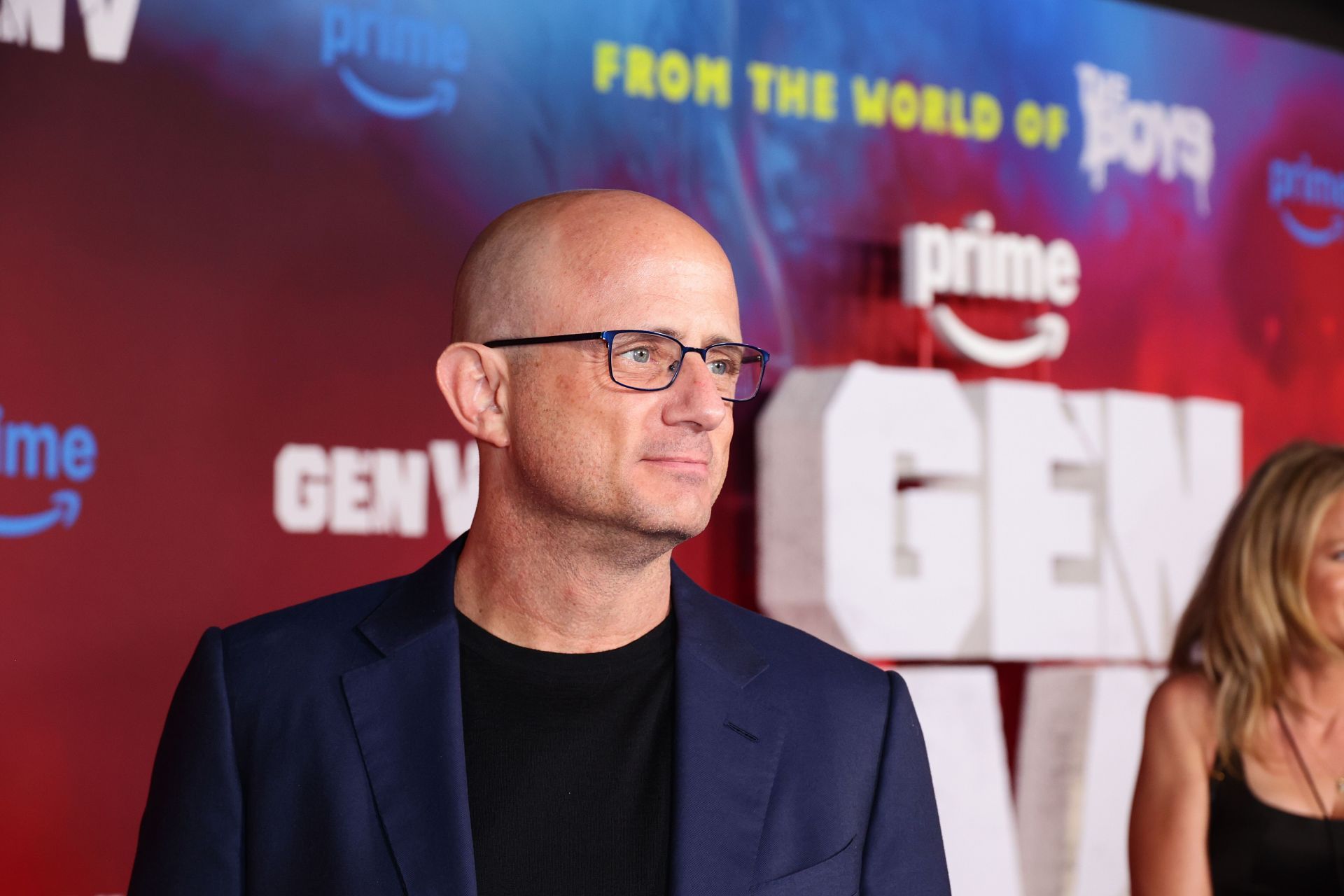

There are many hidden metaphors and allegories hidden in The Boys Season 5, andEric Kripke has been pretty clear about it from the very beginning. At the center of the show is a laser-eyed fascist in a cape who controls the media and demands absolute loyalty from everyone around him which means, considering the state of the world, it is always going to invite comparisons to real-world politics.
But in season five, the final chapter of the Prime Video series has pushed those parallels to a place where even the creator seems genuinely unsettled by how closely fiction is tracking reality. Here’s wat Krioke has said about the show and its roots in realism.
The most direct confirmation came in the wake of The Boys Season 5’s episode five’s biggest death. After Homelander kills Firecracker for daring to show even a flicker of independent thought, Kripke spelled out exactly what the character was always meant to represent. Kripke spoke to TVLine that Firecracker was an allegory for some real people and how their lives were shaped.
Speaking to the outlet, Kripke stated,
“We always knew he was going to kill Firecracker, maybe as long back as when we introduced the character. It’s the most predictable pattern in the world, which is Trump demanding ultimate allegiance, making someone compromise every value they’ve ever had, and then kicking them out into the cold.”
A striking feature about this is that Kripke has confirmed that season five was written before the 2026 election, with filming beginning around the same time, meaning everything that has since come to pass was conceived as speculative political science fiction. The fact that it now reads as commentary on current events rather than speculation is something Kripke himself has described as troubling.
How The Boys Season 5 mirrors real life politics
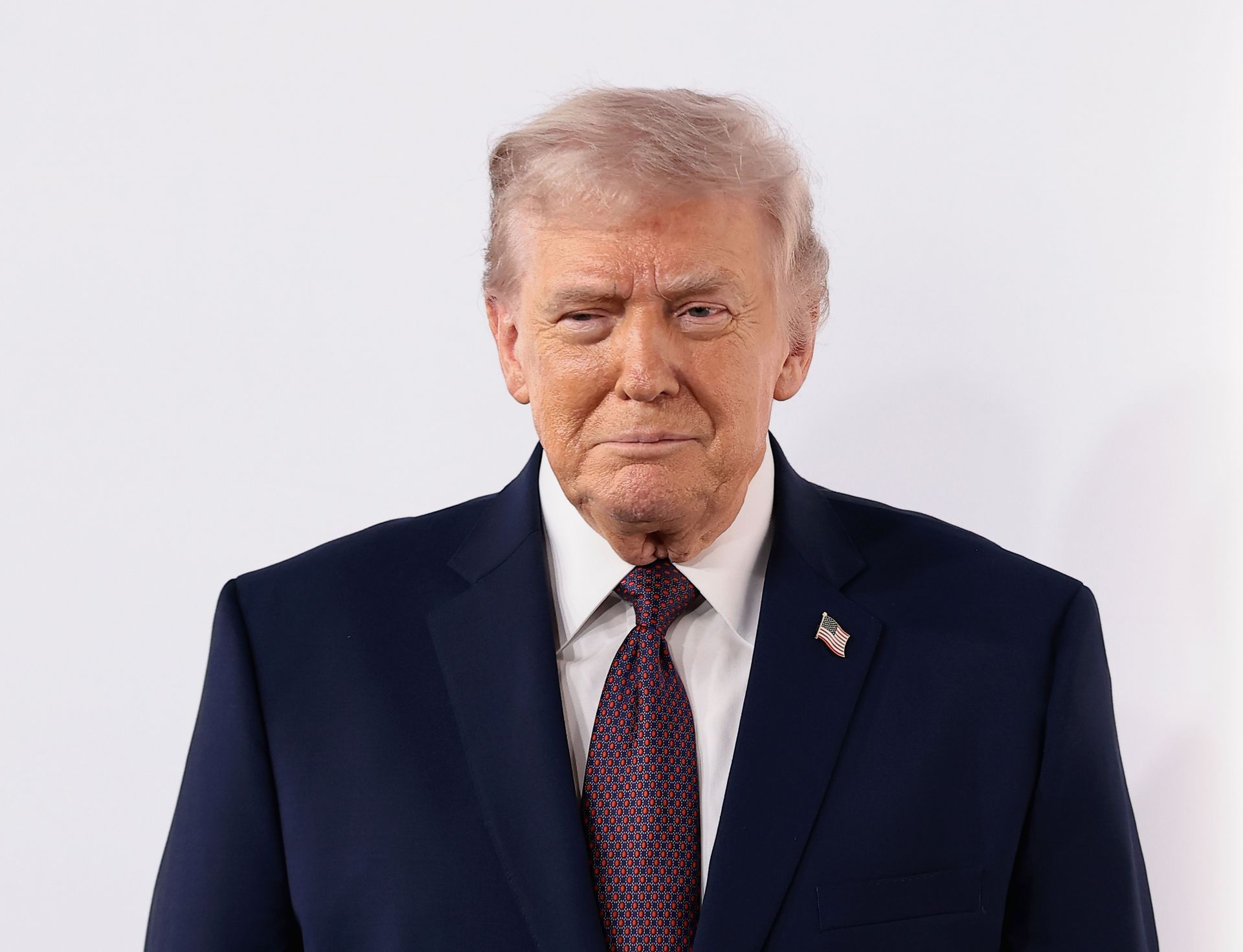
The Homelander-as-god arc, which drives much of The Boys Season 5’s tension, produced one of the more surreal moments in the show’s history. Kripke explained that the writers pushed Homelander to his most extreme point yet by having him declare himself a deity, only for Trump to release an AI image of himself as a godlike figure just 48 hours before the season premiered.
Kripke has also said that beyond the darkness, the season is fundamentally about hope and resilience, specifically the idea that ordinary people cannot wait for a hero to swoop in and save them, but have to figure out how to save themselves.
Given everything the show is clearly in conversation with, that framing lands differently than it might have in a less politically charged moment. The Boys has always been angry, but this final season sounds like it genuinely wants to leave its audience with something to hold onto. Whether it sticks the landing is something we’ll find out before the May finale.
The Boys Season 5 is now streaming.
Edited by Nibir Konwar