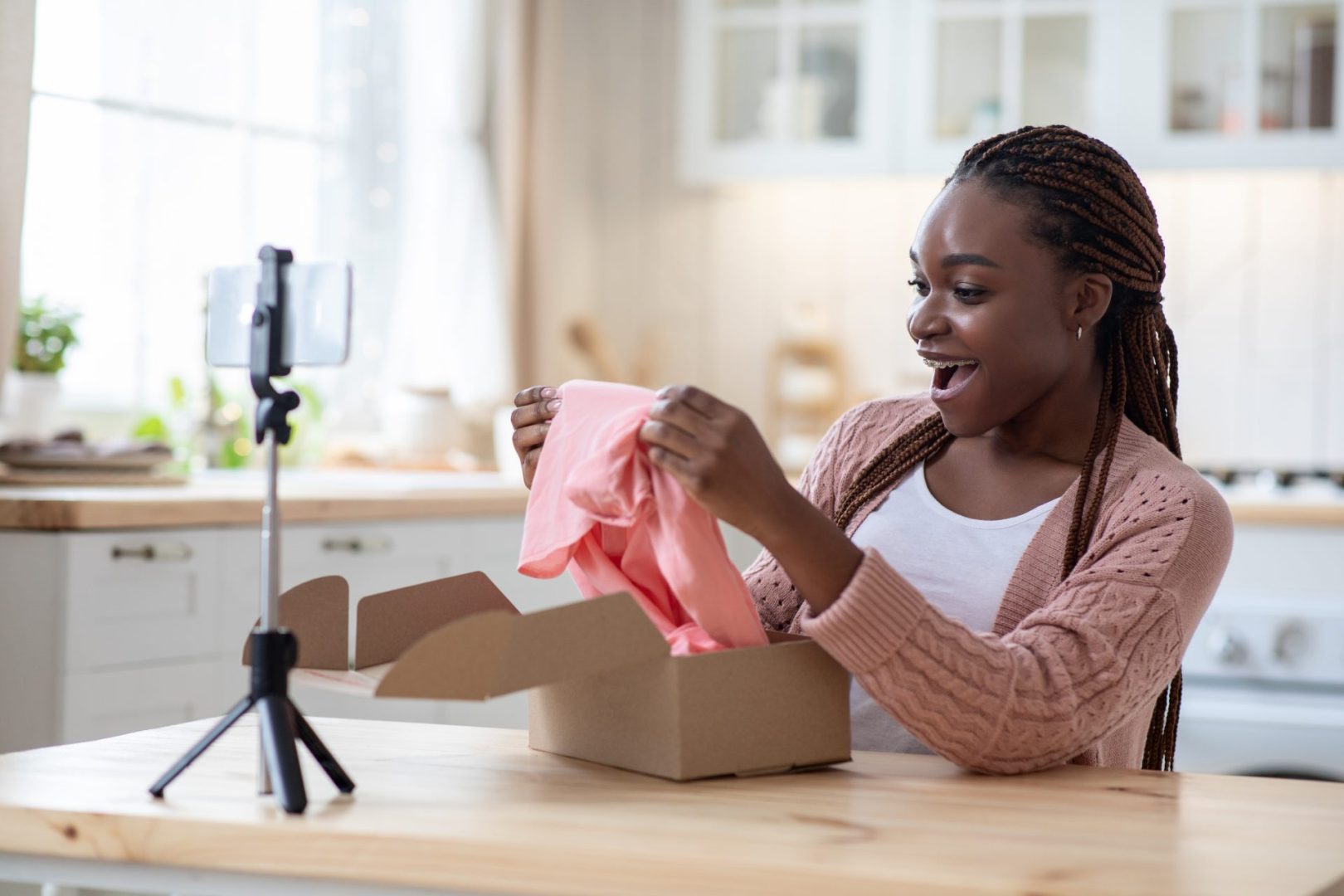
From fake mascara reviews to TikTok Shop hauls, influencer culture has quietly reshaped how people spend, think, and measure self-worth
TikTok has more than one billion monthly users, and a large share of what they see is someone telling them to buy something. A lip balm. A serum. A supplement. The products change weekly, but the structure stays the same: a relatable face, a compelling pitch, and a link to purchase.
This is influencer culture at full speed, and it has moved well past the niche communities where it started. Beauty creators who once spoke to small, dedicated followings now command audiences in the millions, many of whom are teenagers and preteens who absorb product recommendations the way earlier generations absorbed television commercials, but with far less skepticism.
The appeal has always been rooted in perceived authenticity. Unlike a traditional advertisement, an influencer feels like a peer. That sense of closeness is also what makes the commercial relationship so effective, and so easy to obscure.
How sponsorships quietly eroded honest recommendations
The economics of influencing have changed what the job actually looks like. Sponsorships, affiliate links and brand partnerships now drive most of an influencer’s income, which means the pressure to promote consistently outweighs the incentive to be selective. Feeds fill up with products not because they are worth recommending but because a deal was signed.
The consequences of that dynamic became public in 2023, when beauty influencer Mikayla Nogueira posted a TikTok review of L’Oréal’s Telescopic Lift mascara. Viewers watching closely noticed what appeared to be false eyelashes applied during the demonstration, raising questions about whether the product’s results were genuine. Nogueira had 14 million followers at the time, and the video had already spread widely before the scrutiny caught up to it. She faced no formal repercussions, and brand partnerships continued without interruption.
The incident was not isolated. It reflected a pattern that had been building for years, where the line between honest opinion and paid promotion had become difficult to find.
The overconsumption loop TikTok Shop accelerated
TikTok Shop deepened the problem by collapsing the distance between content and purchase. Users can now discover and buy products without leaving the app, and the feature is open to anyone, not just established creators. That shift turned the platform into something closer to a continuous shopping channel, with promotional videos appearing every few scrolls.
Many of the products moving through TikTok Shop are inexpensive, which draws buyers in. The low prices are often tied to low-cost manufacturing, and concerns about labor conditions in some supply chains have been raised and largely shrugged off by consumers who prioritize the price point. A 2023 report found that 89% of users had purchased a cosmetic product after browsing on TikTok Shop, a figure that reflects just how effective the format has become.
The financial toll is most visible among younger users. Products like the Summer Fridays Lip Butter Balm, priced at $24, have become status items among teenage girls, with influencers encouraging followers to collect multiple shades. The Rhode peptide lip treatment at $16 and the Laneige Lip Glowy Balm at $18 complete what has become a widely referenced trio. Each item is modest on its own, but the culture of collecting and keeping up creates spending pressure that adds up fast, particularly for people who are not yet earning their own income.
The deinfluencing response and what it actually means
A counter-movement has emerged, loosely organized under the term deinfluencing. The idea is straightforward: creators push back against overconsumption by discouraging unnecessary purchases, reviewing products critically and being transparent about what is not worth buying. The movement gained traction on TikTok itself, which added a layer of irony that was not lost on its supporters.
Deinfluencing has limits. It operates on the same platforms and through the same mechanics as the culture it critiques, which means it can be co-opted just as easily. Some creators have found ways to monetize the deinfluencing aesthetic while still accepting brand deals, blurring the message in familiar ways.
What the movement does reflect, accurately, is a growing frustration with the volume and transparency of promotional content online. Audiences are paying closer attention to disclosure practices, and some are asking harder questions about whether an enthusiastic review reflects genuine experience or a sponsored obligation.
What actually shifts the balance
Regulation is catching up, slowly. The Federal Trade Commission has updated its guidelines on influencer disclosure, requiring clearer labeling of paid partnerships. Individual accountability remains inconsistent, but the legal framework around advertising transparency is tightening.
Media literacy has a role to play too. Teaching younger audiences to distinguish between organic content and commercial promotion is a foundational step, one that schools and parents are still figuring out how to approach in a landscape that moves faster than any curriculum.
For now, the most practical shift is individual. Treating an influencer recommendation the way you would treat an advertisement, rather than a friend’s opinion, changes how much weight it carries. The products are still there. The scroll still pulls. But the spell breaks a little when the mechanics behind it become visible.