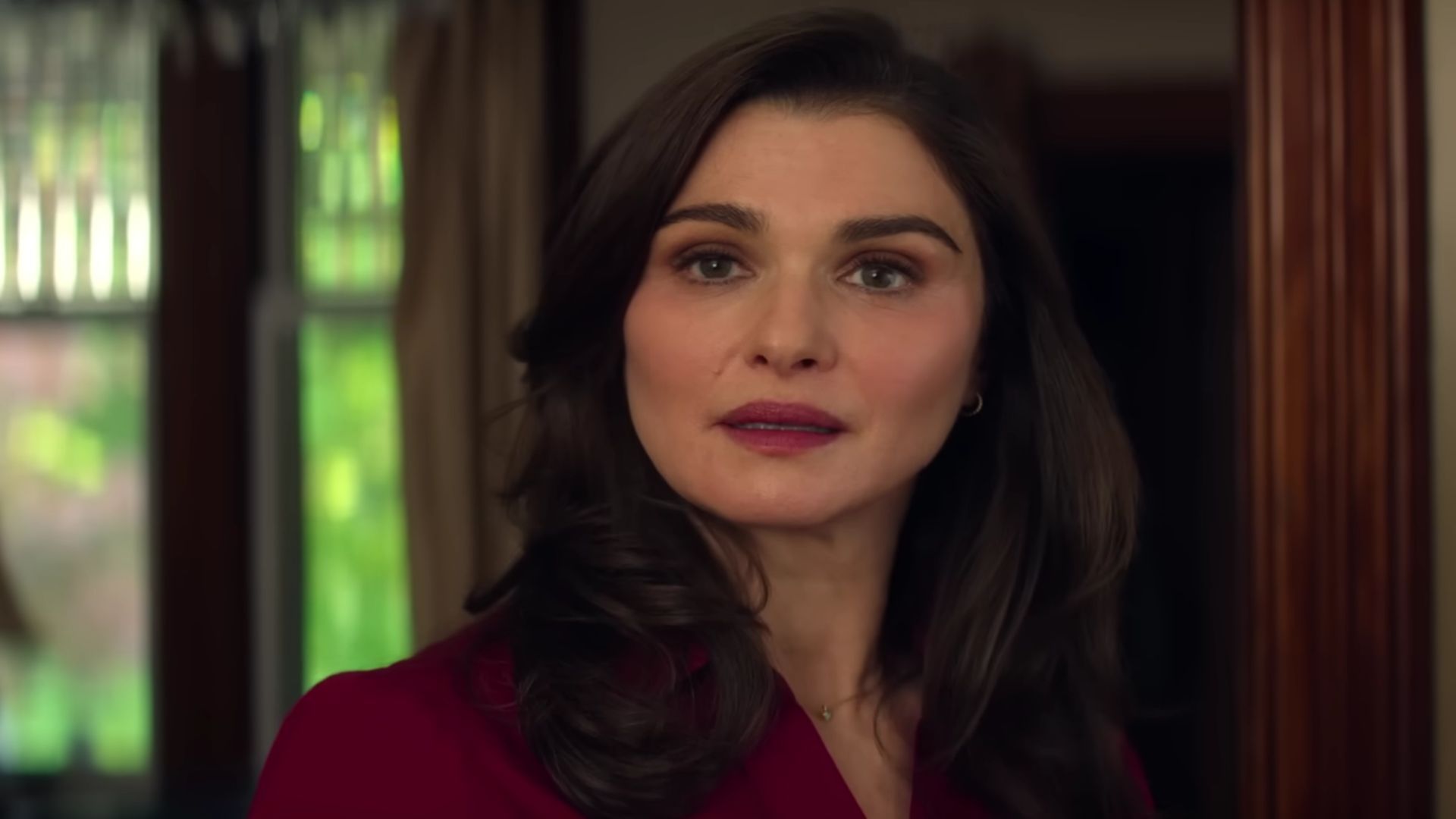

Netflix has dropped a new series, Vladimir, adapted from the book of the same name. Whenever a book is adapted into a series, many questions arise, among which is the question of whether the series is able to do justice to the book. For the newest Netflix series, Vladimir, the question comes forth once again. This series brings life to the book by Julia May Jonas.
However, just as every series inspired by a book, this series is also receiving many mixed responses from the viewers, which are mostly tilting towards the negative ones. Many viewers are quite dissatisfied with the approach of the series.
This article reflects the writer’s opinions. Readers’ discretion is advised.
Netflix’s Vladimir shifted gears from the OG novel
Netflix’s Vladimir brings forth many changes from the book, which not only shift the dynamic of the storyline but also fail to grab the attention of the viewers in a positive manner. A distinct aspect that the series completely changed in the storyline from the book was the ending.
In the book, Vladimir is not inside the cabin when it catches fire. Rather, he is out kayaking when he sees that the cabin has caught fire with the narrator and John inside. He rushes inside to save the two of them; however, they are not unscathed. Both the narrator and John had burns, which required them extensive rehabilitation for the burns.
Besides the burns, the narrator also loses yet another significant thing to the fire, that is, the draft of the new book, which she was writing. This leads her to start writing a different book. The narrator and John then move to New York and eventually end up becoming the caregivers of their grandchild. Netflix’s Vladimir completely changes the ending of the book. At the end of the series, the cabin catches on fire with John, Vladimir, and the protagonist inside.
The protagonist then decides to take the draft of her novel and escape from the cabin unscathed. While standing outside the cabin and watching it burn down, she begins to speak about the success of her book, while Vlad’s book is not able to make much success.
She also depicts a sinister air when she says that she called 911, and the others were able to make it out alive. This distinct change in the narrator’s character, which the series brings forth, failed to resonate with the viewers.
Yet another significant shift in the Netflix series is the presentation of a polished version of the characters, especially of the protagonist. Unlike the series, the book relied heavily on the emotional turmoil through which the narrator goes while she observes the result of the passage of time on her appearance.
However, in the series, this aspect, especially the manner in which the book’s protagonist scrutinized herself, failed to resonate. A significant shift, which also changes the trajectory of the storyline in the series, is Vlad’s decision to go to the cabin. In the book, Vlad decides to go to the cabin on his own accord, which is not the case for the series, as it brings in a subtle change.
In the series, Rachel Weisz’s character has to convince him after he initially refuses. Vlad also opens up about not reading the narrator’s novels in the book, which is completely changed in the series, where it is shown that he not only read her book but also made highlights and notes.
The aspect of comedy that is a striking presence in the book is also quite diluted in the Netflix series. Though there are moments in the series that leave an impact with the comedy, when compared with the book, it is not able to leave an impact. Though there are many shifts that the series makes from the book, which many viewers did not find up to the mark, the series is worth watching.
For more such interesting pieces, stay tuned to Soap Central.
Edited by KOUSHIKI ROY