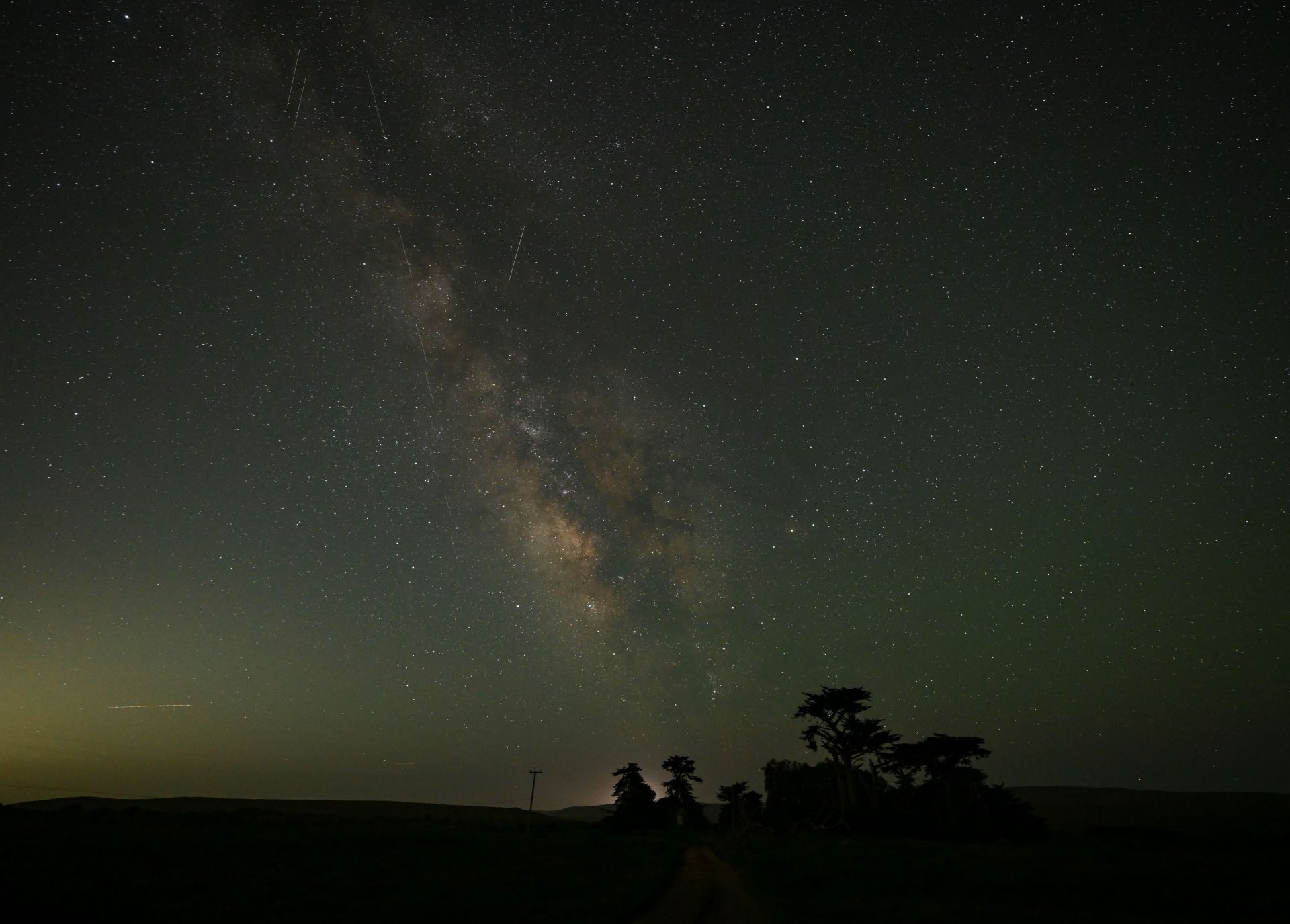

Every year, May brings one of the most genuinely exciting events in the skywatching calendar, and 2026 is no exception as the Eta Aquariids are here. This shower has a legendary origin story, impressive speed numbers, and a surprisingly long window of activity that gives procrastinators more than one chance. Yes, there is a catch this year involving the moon but the Eta Aquarids are worth fighting through some interference for, especially if you know when and where to position yourself.
When and where to watch Eta Aquariid this year
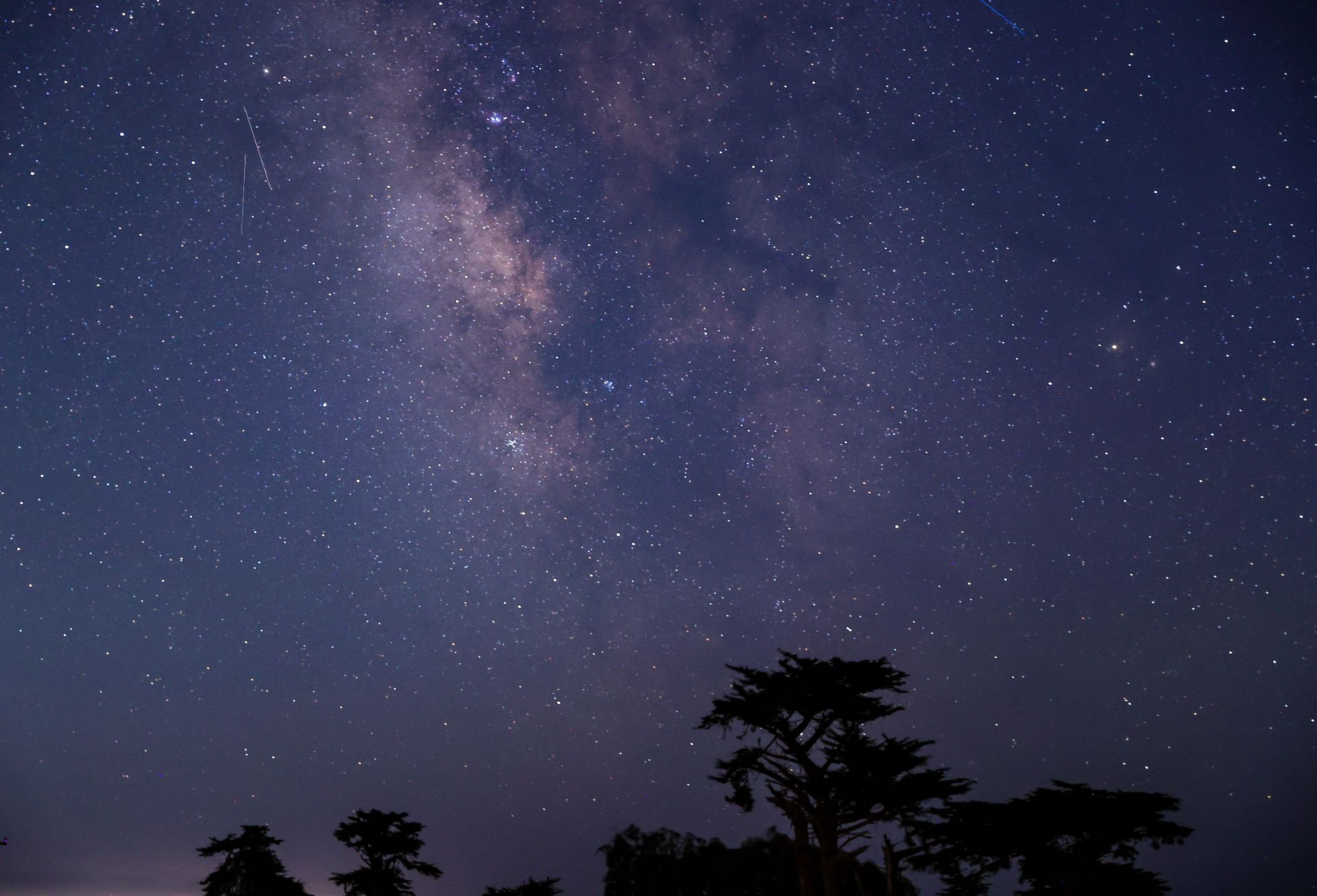
The Eta Aquariids are usually active between April 19 and May 28 every year and the American Meteor Society lists 3:51 UTC on May 5 as the shower’s predicted peak time, with the mornings of both May 4 and May 6 also offering elevated rates.
The best chance is during the predawn hours of May 6. That word “predawn” is doing a lot of work here: ideally you want to be outside between 2 and 4 AM local time, facing east. The earlier the better, because the radiant climbs throughout the night and your odds improve the longer you wait before dawn.
Hemisphere matters a lot with this one. The shower’s peak will be the best view for people who are watching from the southern hemisphere tropics, where almost 50 meteors may be seen streaking across the night sky each hour under ideal conditions. Northern hemisphere viewers get a noticeably smaller serving. From the equator northward, the shower usually only produces medium rates of 10 to 30 meteors per hour just before dawn.
How to watch Eta Aquariids

But there’s a big catch here. In 2026, a waning gibbous moon will severely affect this shower, which will reduce hourly rates to less than 10, with the moon at 84% full on the peak night. Viewers from the southern hemisphere typically see 50 meteors per hour at peak, but the moon could cut that number by half. In the north, skywatchers will likely see fewer than 10 per hour. The trick here is positioning: you have to find a spot where a building, hill, or tree line blocks the moon from your direct line of sight, which will let your eyes adjust to the darker portion of the sky above you.
Viewing tips for Eta Aquariid are pretty simple. You have to find a spot away from artificial lights, give your eyes around 20 minutes to adjust to the darkness, and avoid bright lights like your phone screen during that window. An ideal place to look is roughly 45 degrees away from the radiant, but the most important factor overall is getting to a dark location and looking at the darkest patch of sky you can. Lie on your back if possible, bring a blanket, something warm to drink, and realistic expectations for a moon-affected year.
Edited by Nibir Konwar