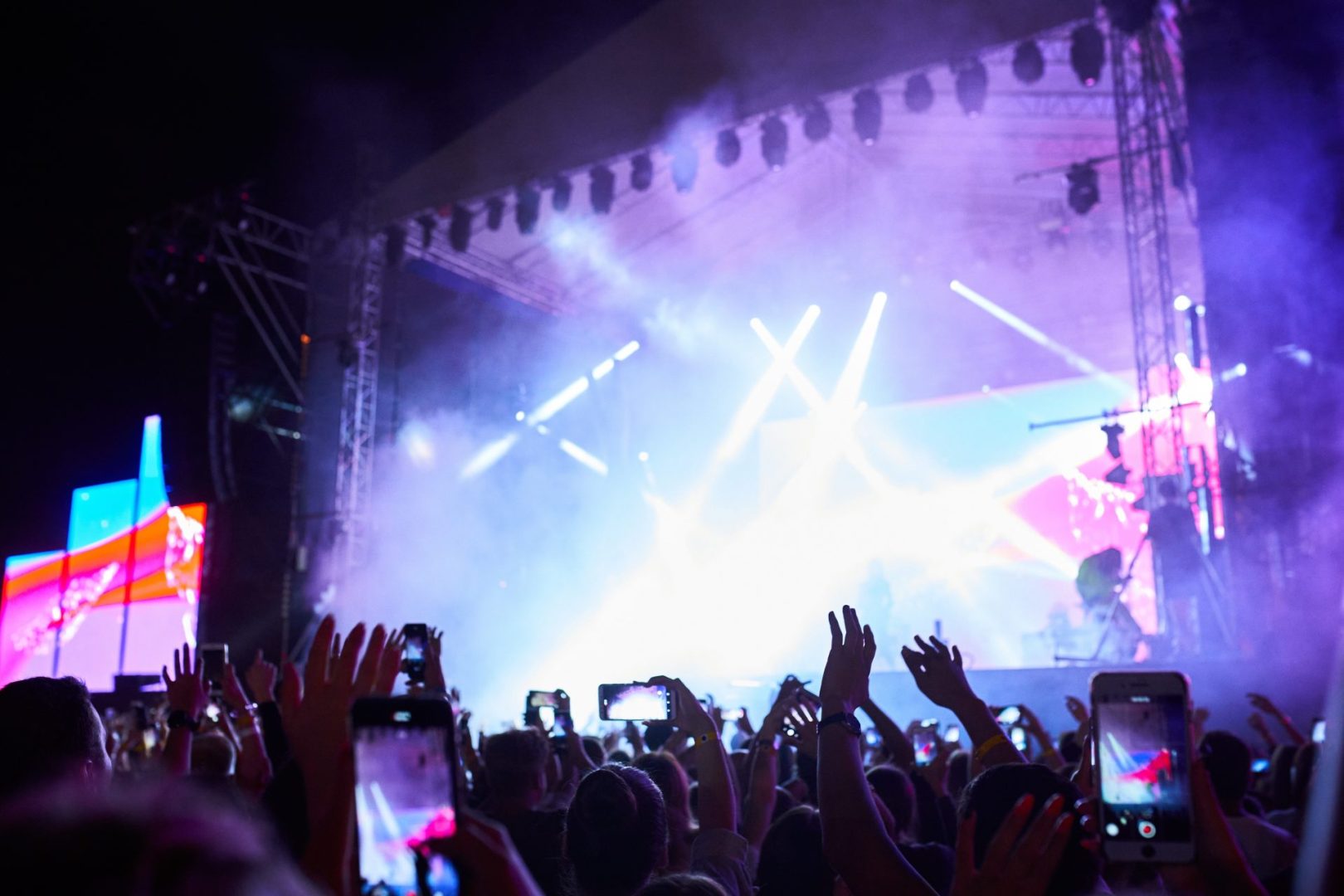
The Killers and Janelle Monáe are expected to headline Nashville Music Festival in April
Nashville prepares to host a music festival with purpose beyond entertainment next spring. Freely Fest combines major musical performances with celebration of First Amendment freedoms, creating an event where artists share both their music and their perspectives on free expression. The Freedom Forum announced the inaugural festival scheduled for April 2026 at Bridgestone Arena.
The organization has spent three decades helping Americans understand how First Amendment protections affect daily life. From fashion choices to food options to reading newspapers freely, these constitutional rights operate invisibly in the background of ordinary activities. Most people rarely consider the freedoms enabling their lifestyle choices until those freedoms face threats.
Why music became the message delivery system
Music functions as universal language crossing demographic and political boundaries that often divide people. The Freedom Forum chose this medium deliberately to reach audiences who might not engage with traditional civic education approaches. Songs have historically provided anthems for social movements and inspired generations to advocate for rights and freedoms.
Jan Neuharth, chair and CEO at Freedom Forum, explained that people rarely pause while enjoying music, reading newspapers, or expressing themselves through fashion to consciously appreciate First Amendment protections making these activities possible. These rights get taken for granted until circumstances threaten them.
The festival aims to highlight how music specifically has powered social change throughout American history. From protest songs during civil rights movements to contemporary artists addressing current issues, musicians have consistently used their platforms to advocate for freedoms and challenge restrictions. Freely Fest positions itself as continuation of this tradition.
The concerning survey results driving action
Freedom Forum’s most recent annual survey revealed concerning trends about American attitudes toward free expression. Nearly two thirds of Americans reported holding back from speaking freely. This self-censorship across such large portions of the population signals fundamental shifts in how people perceive their rights and their willingness to exercise them.
These findings motivated the organization to create new approaches for engaging people with First Amendment concepts. Traditional educational methods weren’t reaching audiences effectively enough to counter the growing reluctance to exercise free speech rights. Music festivals attract diverse audiences and create environments where people feel comfortable exploring ideas and perspectives.
The survey results also indicated that younger generations particularly struggle with understanding the scope and importance of First Amendment protections. Reaching these demographics requires meeting them in spaces where they already gather and through mediums they already consume. Music festivals check both boxes effectively.
The lineup bringing star power to the message
Freely Fest secured impressive talent for its inaugural event. The Killers headline the festival, bringing their arena-rock experience and massive fanbase. Their involvement lends significant credibility and draw to the event. Janelle Monáe, known for incorporating social justice themes into her artistry, fits the festival’s mission naturally.
T-Pain adds hip-hop representation to the lineup while his technological innovations in music demonstrate creative expression pushing boundaries. Dominic Fike brings indie and alternative sounds attracting younger audiences. Rising artist Avery Anna rounds out the announced performers, representing emerging voices in country and Americana genres.
Each artist brings different musical styles and perspectives, creating diverse programming that appeals to varied musical tastes. This diversity reflects the festival’s broader message about freedom of expression encompassing multiple viewpoints and artistic approaches. The lineup intentionally avoids single-genre limitations.
Beyond performances to interactive experiences
The festival won’t limit itself to traditional concert formats. Organizers plan interactive experiences alongside musical performances. Artists will share personal stories about how free expression shaped their careers and creative processes. These narrative elements add depth beyond entertainment value.
Attendees can expect educational components woven throughout the event without feeling like classroom lectures. The approach maintains festival atmosphere while introducing concepts about constitutional rights and their practical applications. Interactive elements will engage audiences directly rather than presenting information passively.
The event will also stream globally, extending reach beyond Nashville. International audiences can participate virtually, expanding the conversation about free expression to worldwide contexts. This streaming component acknowledges that discussions about freedom and rights resonate internationally, not just within American borders.
Getting tickets and planning attendance
Presale tickets become available December 18 at 11am Eastern Time through the festival’s official website. This early access period lets committed fans secure attendance before general public sales. If tickets remain after presale, general public sales will follow, though major festival events at Bridgestone Arena typically sell quickly.
The April 8, 2026 date gives attendees months to plan travel and accommodations. Nashville’s tourism infrastructure handles major events regularly, but booking early ensures better options and prices. The spring timing avoids both winter weather complications and summer heat extremes that can affect outdoor portions of festival experiences.