A transfusion medicine physician breaks down diagnosis, disparities and a $2 million cure
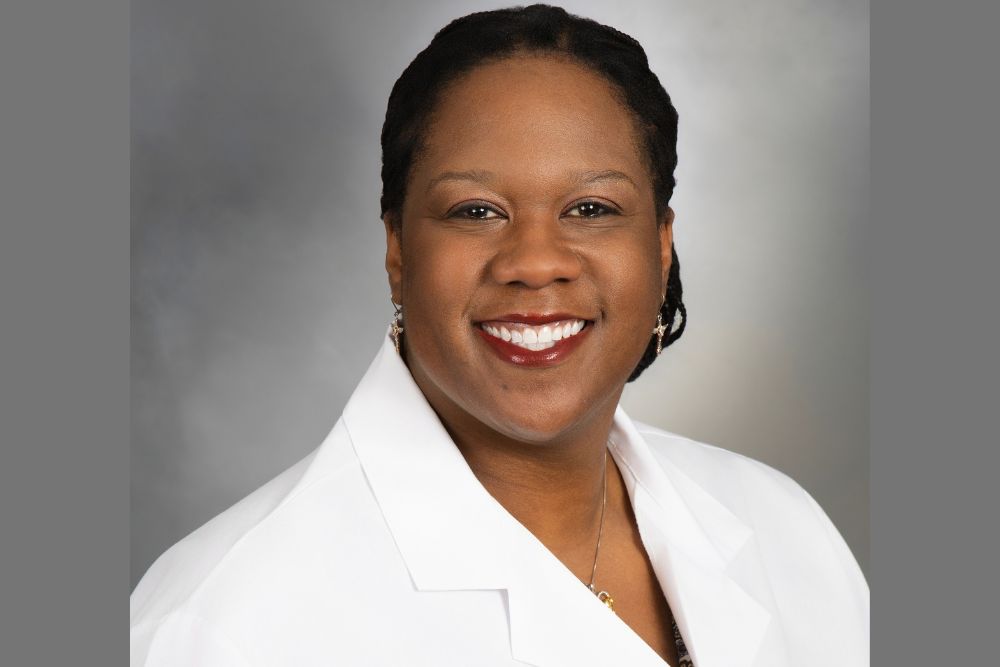
Sickle cell disease is the first genetic disease ever identified, and yet for too many patients, particularly those in the Black community, the care has not kept up with the science. Dr. Ashley Ellis is a board-certified clinical pathologist and transfusion medicine physician and Clinical Assistant Professor in the Department of Pathology at Stony Brook University Hospital in New York. She trained at some of the country’s most respected institutions, has led blood banking and transfusion medicine programs at multiple academic medical centers, and brings a personal connection to her work that goes beyond the lab. Rolling Out Health IQ sat down with Dr. Ellis to talk about how sickle cell is diagnosed, what warning signs families should watch for, how transfusion medicine helps and what still needs to change.
As a clinical pathologist, what does your role look like when it comes to diagnosing sickle cell disease in the lab?
Nowadays in the United States, when a baby is born, blood tests are sent off to screen for genetic diseases. One of the diseases tested for is sickle cell, and it is not actually a genetic test. It is done by hemoglobin electrophoresis, which looks at the different types of hemoglobin present. When you are a baby, you have hemoglobin A, A2 and some hemoglobin F. Hemoglobin F is what you have predominantly when you are still in the womb, because it binds oxygen more readily. After about four to six months, hemoglobin S begins to accumulate. That is how the diagnosis is made.
There are two things people should know. Sickle cell trait is when you have one copy of hemoglobin S. Sickle cell disease, or sickle cell anemia, is when you have two copies. People with sickle cell trait generally do not have symptoms, unless their body is under significant stress or lacks adequate oxygen.
What does surveillance of sickle cell disease look like in the clinical lab, and why is it so important for long-term care?
Surveillance generally looks like a CBC, which is a complete blood count. It measures red cells, white cells, platelets and hemoglobin. For sickle cell patients, hemoglobin S is what we really focus on, because the higher that number is, the less likely the cell is able to hold on to oxygen and the more likely it will sickle and cause complications. With sickle cell anemia patients, we want the hemoglobin S below 30%.
What are the most common signs in the lab that a patient’s sickle cell disease is progressing or worsening?
You will see more anemia as hemoglobin drops. Bilirubin rises, and patients can develop jaundice, visible as yellowing in the eyes. The reticulocyte count, which measures immature red cells, should go up if the bone marrow is responding. Under a microscope, you can actually see the sickle cells in a peripheral smear. They look like little crescent shapes.
Because sickle cell patients are anemic, the kidneys produce more of a protein called EPO, which cross-reacts with the TPO receptor responsible for platelet production. This leads to higher platelet counts and thicker blood, which is more likely to plug up blood vessels and trigger what we call vaso-occlusive crises. These show up as pain crisis, stroke, acute chest syndrome and avascular necrosis affecting the hips and other bones. When blood gets thick and deoxygenates, you cannot get flow to your organs, including your bones.
How does transfusion medicine help sickle cell patients, and when does a doctor decide transfusion is the right option?
With anemia, you do not want to blindly transfuse just because hemoglobin is below a certain number. I recommend not chasing a number. Sickle cell patients often run around a hemoglobin of 10 and do fine. When hemoglobin drops below 7, that is when you worry about organ injury. A simple transfusion through an IV can raise that number.
Something people do not always know is that sickle cell is not exclusive to people of African ancestry. It is found anywhere along the equator where mosquitoes carry Plasmodium falciparum malaria, because sickle cell trait is protective against that strain. There are many Hispanic patients with sickle cell disease, which surprises people.
When transfusing sickle cell patients, most of whom are of African ancestry, we match blood by antigen type. We start by giving blood that matches the C, E and K antigens. If a patient has antibodies to other antigens, we give antigen-negative blood to prevent hemolysis. This is why blood donation from people of color is so important. The best match for a sickle cell patient is often blood from someone with a similar ancestry.
For emergencies like stroke or acute chest syndrome, we use exchange transfusion, where an apheresis machine removes the patient’s red cells and replaces them with donor cells that do not carry hemoglobin S. The goal is to bring hemoglobin S below 30%.
What are the transfusion complications that sickle cell families are not warned about?
With any medical procedure there are complications. The ones seen most often are antibody formation, which can make future transfusions much harder to manage. Febrile non-hemolytic transfusion reactions cause fever from white cells in the donated blood. Allergic reactions can occur from plasma proteins. And while blood is carefully screened, there is always a small risk of transfusion-transmitted infection, including HIV, hepatitis, malaria and babesia. Screening is thorough but not 100%, because some things can fall below the limit of detection.
Iron overload is one of the lesser-known risks of repeated transfusions. How serious is it, and how is it managed?
It is serious. The body has no efficient way to get rid of excess iron. Iron deposits in the liver and endocrine glands and decreases their function over time. Patients who are frequently transfused are typically placed on an iron chelation agent, which binds the iron and helps the body excrete it.
What does the future of transfusion medicine look like for sickle cell patients, and what advances are you most excited about?
I am most excited about CRISPR gene editing technology, which has the potential to functionally cure sickle cell. Sickle cell is caused by a mutation. If you can undo the mutation that converts hemoglobin A into hemoglobin S, you can cure the disease. The process involves collecting stem cells from the patient using an apheresis machine, sending those cells to a manufacturer who edits in the correct gene for hemoglobin A, and then reintroducing those cells after the patient undergoes chemotherapy conditioning to clear space in the bone marrow. It is exciting, but it is still in early stages and it costs about $2 million. It is not very attainable right now. The question is how do we make this available to the people who actually need it.
What disparities have you noticed in sickle cell care, and what can be done about them?
Disparities are something that hit close to home for me as a Black woman. I see delays in patients getting tested to check their hemoglobin S levels, delays in getting exchange transfusions. I see patients labeled as drug-seeking when they come in during pain crisis. If you have ever seen someone with sickle cell disease in that amount of pain, it is horrible to watch. Wanting to be relieved of that pain does not make you drug-seeking. A lot of healthcare providers are reluctant to prescribe narcotic medication because of the opioid epidemic and fear of overdose, and that is another complication of this disease that needs to be talked about openly. A lot of it comes down to attitudes toward patients and getting them the prompt care they need.
What brought you to this specific intersection of clinical pathology, transfusion medicine and sickle cell disease?
I have been interested in pathology for almost 30 years. I thought I was going to do forensics at first. I got the residency and found I did not enjoy autopsy as much as I expected. In my first year I got onto my blood bank and transfusion medicine rotation, and unlike other areas of pathology, you are in the clinic every day. You are seeing patients, talking to families, working with other doctors and building real plans to take care of people. I fell in love with it.
Fourteen years after two lectures on transfusion medicine in medical school that I almost tuned out, here I am. I grew up knowing people affected by sickle cell. It is known as the first genetic disease, and I saw that people of color were not getting the care they needed. It all came together into a passion. When patients see a physician who looks like them, there is an inherent trust. That matters. I ended up where I was supposed to be.
What do you want every sickle cell patient and family to know that they are not hearing enough right now?
Be knowledgeable about the condition. Know what causes it and what it does to the body. Any infection can put a sickle cell patient into a pain crisis, trigger acute chest syndrome or cause a stroke. Staying home and trying to manage it alone is not the right call. Recognize the signs of stroke and acute chest syndrome and get care promptly.
Find a physician who respects you and listens to you. You need someone who is a teammate, not just someone billing your insurance. Know your treatment options and your medications. Hydration is critical because it keeps blood flowing and reduces the chance that sickle cells and platelets get stuck in your vessels. In the summertime, do not get dehydrated or overheated. Stay on top of pain management.
And talk about it. In the Black community, people often do not discuss their health struggles, and that silence leads to disinformation and isolation. People need to talk about what is going on with them.
To learn more about Dr. Ashley Ellis and the transfusion medicine and sickle cell disease programs visit Stony Brook University Hospital.