The transfusion specialist on drug-seeking labels iron overload and a cure most cannot afford
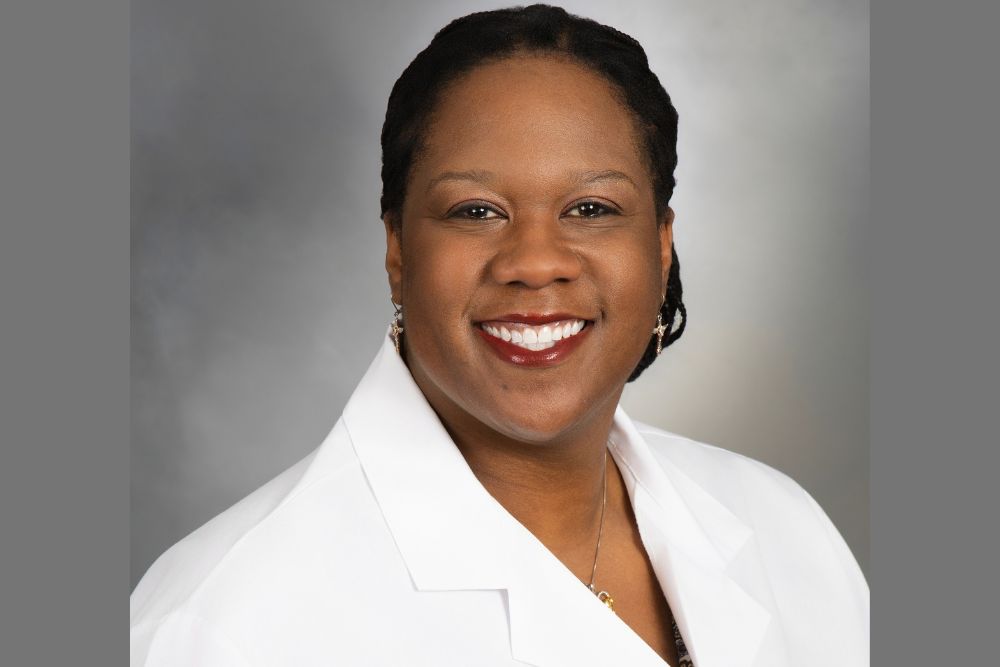
Sickle cell disease has the distinction of being the first genetic disease ever identified. It is also one of the most underfunded and most misunderstood conditions affecting Black communities in America. Dr. Ashley Ellis is a board-certified clinical pathologist and transfusion medicine physician at Stony Brook University Hospital in New York, and she brings both scientific precision and personal investment to this conversation. In a discussion with Rolling Out Health IQ, she spoke candidly about the disparities sickle cell patients face in emergency rooms, the transfusion risks families are rarely warned about, and a gene-editing cure that exists but remains financially out of reach for most of the people who need it.
The bias that follows sickle cell patients into the emergency room
One of the most urgent issues Dr. Ellis raises is the way sickle cell patients in pain crisis are perceived and treated when they seek emergency care. The label of drug-seeking has followed sickle cell patients for decades, and Dr. Ellis is direct about the harm it causes.
“I see patients labeled as drug-seeking when they come in during pain crisis,” she said. “If you have ever seen someone with sickle cell disease in that amount of pain, it is horrible to watch. Wanting to be relieved of that pain does not make you drug-seeking.”
She connects this problem to the broader opioid epidemic, which has made many healthcare providers reluctant to prescribe narcotic pain relief even when it is clearly indicated. For sickle cell patients, who may experience vaso-occlusive crises that produce some of the most severe pain a human body can generate, that reluctance translates directly into suffering that could be prevented. She also notes delays in getting hemoglobin S levels checked and delays in accessing exchange transfusions as additional patterns she has observed.
What families are not being told about transfusions
Transfusion therapy is one of the primary treatment tools for sickle cell disease, but Dr. Ellis says families are often not given a complete picture of the risks involved. Beyond the well-known concerns around infection screening, she highlights two complications that get far less attention.
The first is antibody formation, which occurs when a patient’s immune system responds to donor blood antigens. Over time this can make future transfusions significantly harder to manage, narrowing the pool of compatible blood and complicating emergency care.
The second is iron overload. The body has no efficient way to eliminate excess iron, and patients who require frequent transfusions accumulate iron deposits in the liver and endocrine glands, decreasing their function over time.
“Patients who are frequently transfused are typically placed on an iron chelation agent, which binds the iron and helps the body excrete it,” she said.
She also emphasizes why blood donation from people of color is not just a matter of community generosity but a medical necessity. The best match for a sickle cell patient is often blood from someone with a similar ancestry, and a donor pool that does not reflect that diversity makes care harder to deliver.
A $2 million cure and the question of who gets access
The most striking part of Dr. Ellis’s conversation is her description of CRISPR gene editing technology and what it could mean for sickle cell patients. The science, she explains, has the potential to functionally cure the disease by correcting the genetic mutation that converts hemoglobin A into hemoglobin S. Stem cells are collected from the patient, edited by a manufacturer to carry the correct gene, and then reintroduced after chemotherapy conditioning clears space in the bone marrow.
“It is exciting, but it is still in early stages and it costs about $2 million,” she said. “It is not very attainable right now. The question is how do we make this available to the people who actually need it.”
That question sits at the center of everything Dr. Ellis is working toward. A cure exists. The communities most affected by sickle cell disease are the same communities least likely to be able to access it. Closing that gap, she argues, is the next urgent work.
To learn more about Dr. Ashley Ellis and the transfusion medicine and sickle cell disease programs visit Stony Brook University Hospital.