A Cultural Exchange Years in the Making Opens as Atlanta Handles the FIFA’s Global Spotlight
As the FIFA World Cup matches rev up in Atlanta and other American cities, Atlanta city leaders are already sending a message to the world: Atlanta’s culture is ready for center stage.
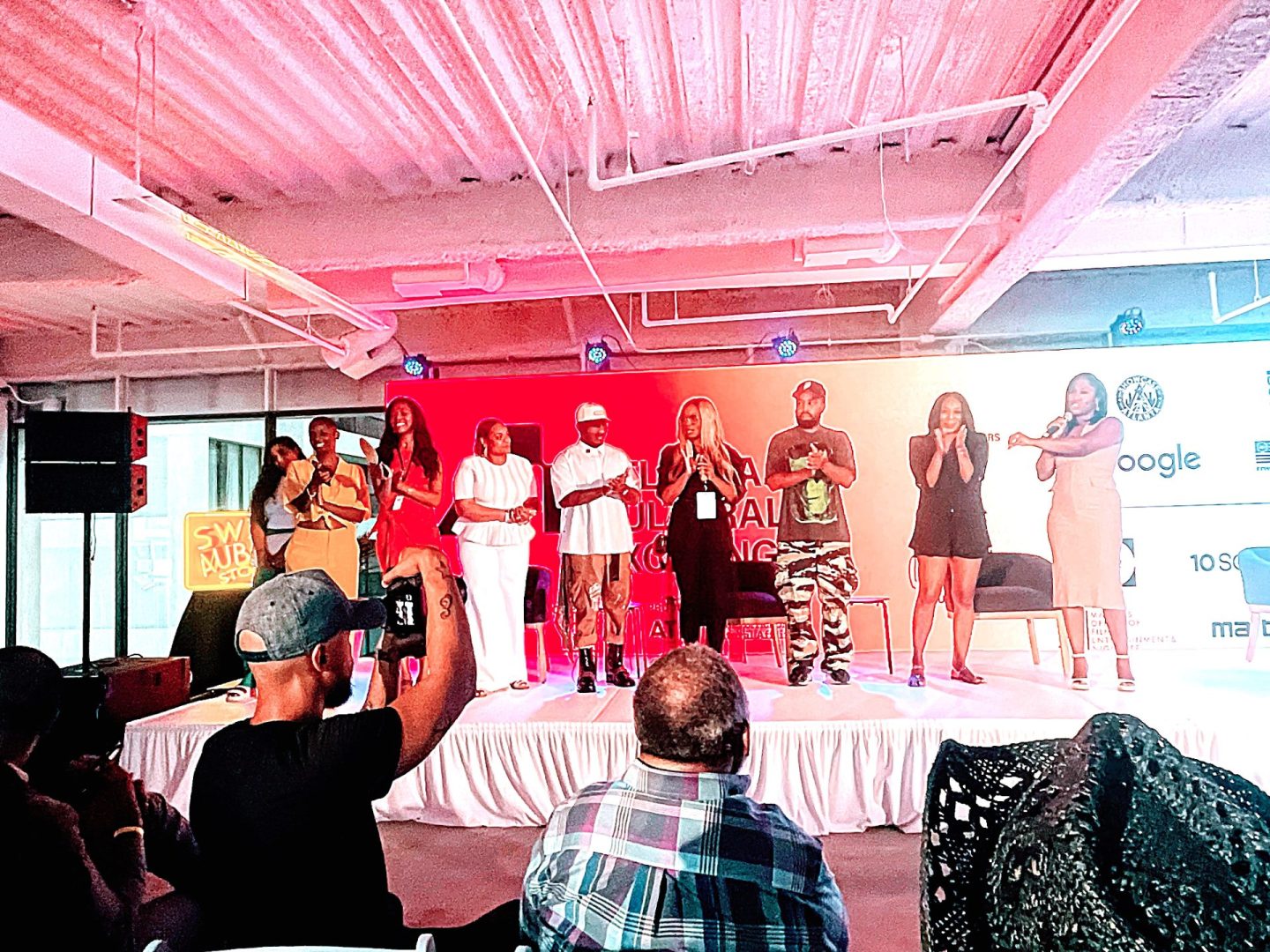
From June 14 through July 14, city officials, artists, entrepreneurs, and community leaders gathered inside The Center (CTR) Atlanta on Marietta Street to celebrate the opening of the Atlanta Cultural Exchange, a month-long immersive experience designed to showcase the city’s creative identity during the FIFA World Cup.
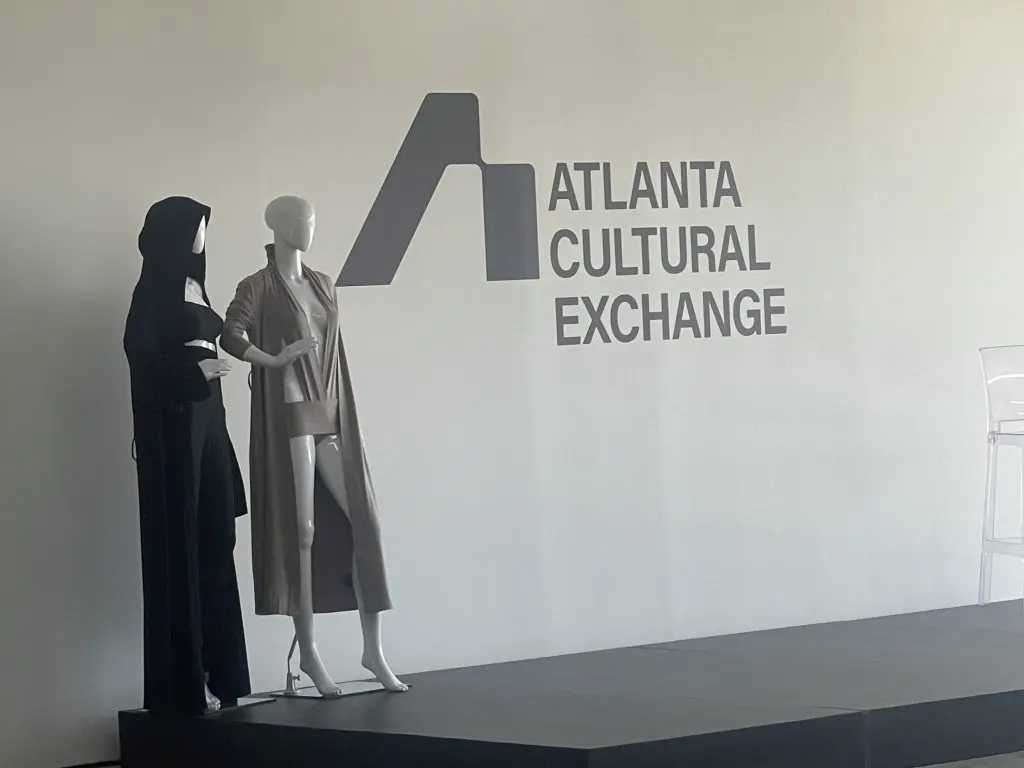
The 23,500-square-foot space serves as both a welcome center and a cultural hub, highlighting the music, fashion, art, business, and innovation that have helped define Atlanta’s global influence.
For Adriane V. Jefferson, director of the Mayor’s Office of Cultural Affairs, the opening represented the culmination of years of vision, collaboration, and preparation.
“We are so excited,” Jefferson told attendees. “It’s a really special moment. This took so much hard work from a very hard-working team.”
Standing before a crowd of supporters, Jefferson called members of the project team to the stage, recognizing partners including executive producer Angela Watts, the Mercury team, and cultural programming leaders who helped transform an empty floor into a vibrant cultural destination.
More Than a Welcome Center
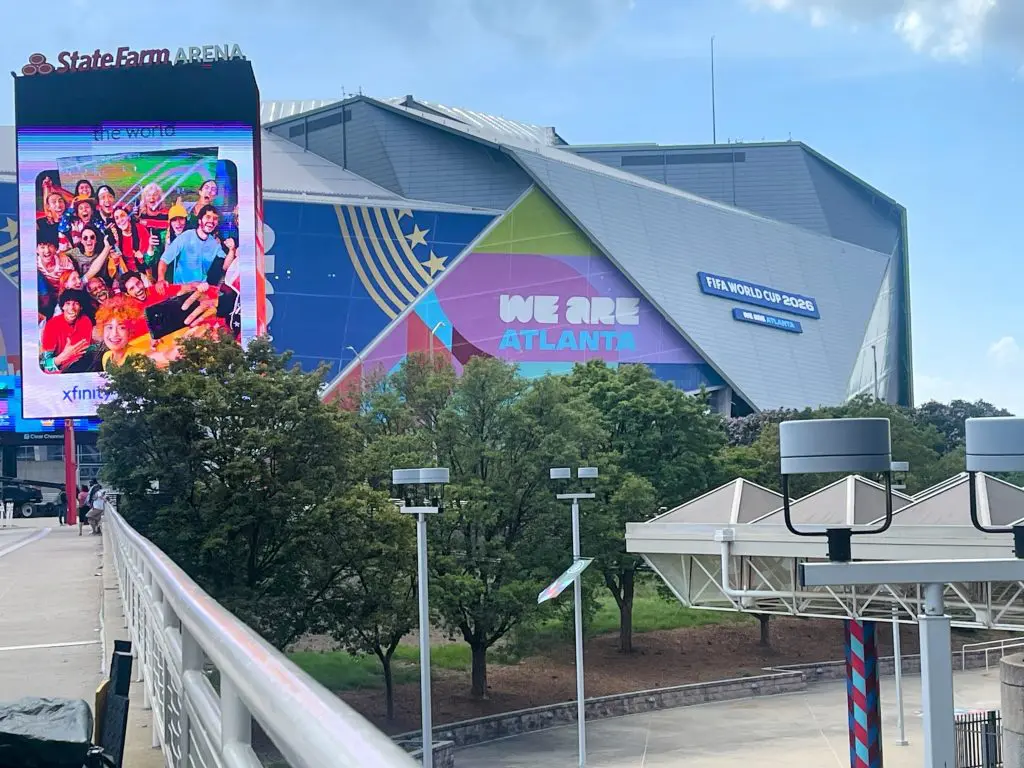
As Atlanta prepares to host visitors from around the globe, city leaders wanted to create something that would serve both international guests and local residents.
“We don’t want to just welcome the world,” Jefferson said. “We want to have something that is for Atlanta as well.”
That philosophy shaped every aspect of the Cultural Exchange.
Describing the project as a “love letter” to both Atlanta and the world, Jefferson said the city intentionally designed the experience to celebrate local creatives while creating opportunities for global connections.
“When we knew that the World Cup was coming here, we wanted to make sure that Atlanta had the opportunity to put our creatives on the global stage,” she said. “We have a thriving creative economy here, and it deserves the attention and recognition. It deserves to be on the global stage.”
Atlanta’s Creative Identity Takes Center Stage
Visitors entering the Cultural Exchange encounter a series of themed zones that reflect the diversity of Atlanta’s cultural landscape.

A fashion district showcases local designers. A marketplace allows visitors to directly support Atlanta-based artists and entrepreneurs. A music lounge hosts DJ sets and beat battles. Art installations and gallery exhibitions fill the space, while panel discussions, performances, and interactive experiences run throughout the month.
“We have a music zone, we have a fashion zone, we have a marketplace with Showcase Atlanta in a way that we can invest directly into our creatives,” Jefferson said. “We have so much that really represents the vastness of our creative culture.”
For Jefferson, it was essential that the experience challenge simplistic perceptions of the city.
“We are not just one type of culture,” she said. “We are all types of culture, and we really wanted this space to reflect who Atlanta is.”
Building Bridges Through Cultural Exchange
While Atlanta’s creative community sits at the heart of the project, organizers say the Cultural Exchange is equally focused on fostering international relationships.
Throughout the month, cultural representatives from countries including Spain, Mexico, Haiti, and Saudi Arabia will participate in programming and exhibitions designed to encourage collaboration and dialogue.
“When we think about the exchange piece, we are talking about commerce, we are talking about partnership and building community—not just with Atlanta, but with the world,” Jefferson said.
The initiative is intended to create opportunities for local artists, entrepreneurs, and cultural organizations to build international connections that outlast the tournament itself.
“This is our opportunity to be front and center,” Jefferson added, “to make sure that our creatives can scale on a global level.”
That vision transformed what Jefferson described as a blank, unfinished floor into one of the city’s most ambitious cultural showcases.