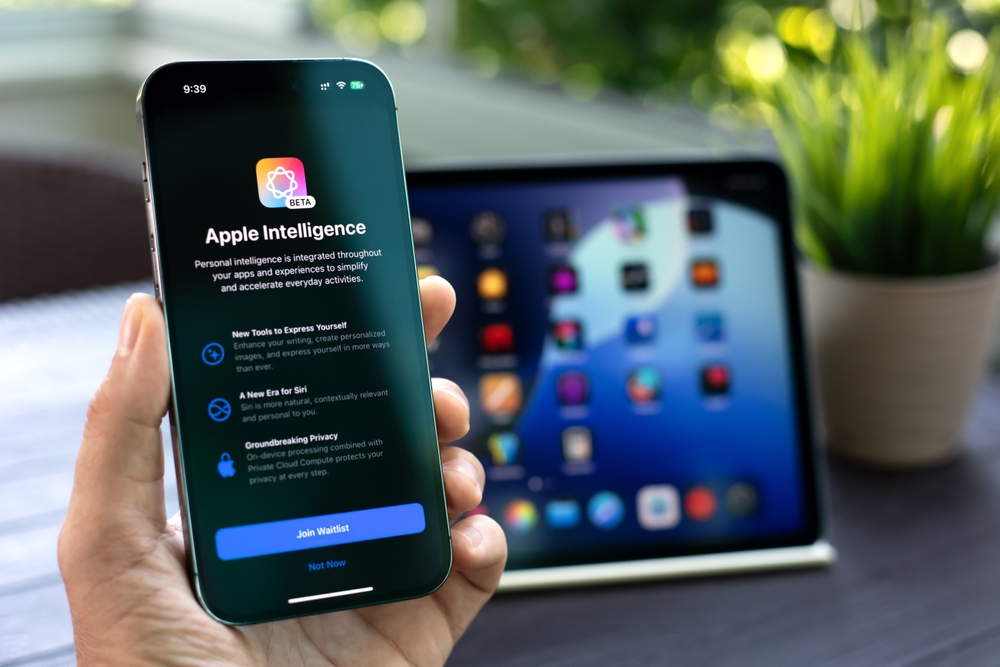
Apple’s most ambitious overhaul of Siri brings AI deep into every device you own
Apple used its annual Worldwide Developers Conference to make one thing clear: Siri is no longer an afterthought. At a keynote that marked Tim Cook’s final WWDC appearance as CEO, the company unveiled Siri AI, a ground-up rebuild of its voice assistant powered by the next generation of Apple Intelligence. The announcement touched virtually every product in Apple’s lineup and set the tone for where the company is headed in the AI race.
The new Siri is designed to feel less like a command prompt and more like an actual conversation. Users can speak naturally, stumble over words, change their minds mid-sentence and still get useful responses. Siri can now hold context across multiple exchanges, meaning a follow-up question picks up where the last one left off rather than starting from scratch. For anyone who has ever wanted to throw their phone across the room after asking Siri a simple question, that alone is a significant shift.
Siri AI gets personal context and cross-app action
One of the more meaningful upgrades is what Apple calls personal context understanding. Siri can now pull from a user’s messages, emails, photos, notes and files to surface relevant information without requiring precise commands. Looking for a hotel confirmation buried in an old email or a restaurant recommendation a friend texted weeks ago? Siri handles it.
The assistant also gains the ability to take action across apps, something competitors like ChatGPT and Claude currently cannot do at the system level. Users can draft an email from scratch, edit and share a set of photos, or move between tasks without manually switching applications. The feature appeared slightly sluggish during the live demo, and it will likely be the deciding factor for many users in judging whether this new Siri delivers on its promise.
That skepticism is understandable. Apple made similar promises about Siri and Apple Intelligence two years ago, and those features largely never arrived. The company is aware of the credibility gap and appears to be betting that the scale of this rebuild is enough to quiet the doubt.
A smarter ecosystem from iPhone to Vision Pro
Siri AI extends across the full Apple ecosystem through iCloud, creating a more consistent experience regardless of which device a user picks up. On iPhone, users can swipe down from the Dynamic Island to start a conversation and get a detailed response. On iPad and Mac, Siri AI is integrated into Spotlight. On Apple Vision Pro, a 3D visualization allows users to invoke Siri simply by looking at it and speaking.
A dedicated Siri app lets users revisit past conversations, with history synced privately across all devices. The assistant also gains Visual Intelligence capabilities on iPad and Mac for the first time, allowing users to search visually, ask questions about what’s on their screen and take action without switching apps.
Writing tools are also baked into Siri AI. Users can describe what they need and Siri will generate a draft, refine existing text based on verbal instructions, and automatically proofread as users type across most apps. In Mail and Messages, Siri can mirror a user’s usual tone and formatting when drafting replies, pulling from patterns in past communication.
Privacy, pricing and availability
Privacy remains central to Apple’s pitch. Most Apple Intelligence features process data directly on the device. For tasks requiring more computing power, Apple’s Private Cloud Compute system handles the request without storing personal data or making it accessible to Apple or third parties. Outside experts can verify that promise at any time, the company said.
Some image generation features come with daily usage limits for free users. Expanded access will be available through iCloud+ subscription plans. Pricing details are expected this fall.
Siri AI features are available to developers starting now across iOS 27, iPadOS 27, macOS 27 and visionOS 27. A public beta for users is coming later this year in English, with additional language support to follow. The features will not be available initially in the EU on iOS and iPadOS, and will not launch in China while Apple navigates regulatory requirements.
Apple Intelligence and Siri AI are supported on iPhone 16 models and later, iPhone 15 Pro and Pro Max, iPad mini with A17 Pro, iPad models with M1 or later, MacBook Neo with A18 Pro, Mac with M1 or later, Apple Vision Pro, and Apple Watch Series 9 and later.