Simple, science-backed bites that could transform your health—one snack at a time
The modern diet is under siege. Between processed convenience foods and sugar-laden treats, our bodies wage a constant battle against chronic inflammation—a silent contributor to heart disease, diabetes and arthritis. Yet the solution isn’t deprivation. It’s strategic snacking.
Anti-inflammatory foods have emerged as powerful allies in the fight against disease, and integrating them into your daily routine starts with understanding which snacks deliver the biggest impact. Here’s how to snack smarter, not harder.
The Science Behind Inflammation
Before diving into specific foods, it’s worth understanding what you’re up against. Inflammation serves as the body’s natural defense mechanism, but when it becomes chronic, it damages healthy cells and contributes to disease progression. Diet plays a surprisingly significant role in either fueling or dampening this inflammatory response.
Research increasingly shows that certain nutrients—omega-3 fatty acids, antioxidants and fiber—actively combat inflammation at the cellular level. The key is consuming these nutrients consistently, and snacks offer an ideal delivery system.
Fruit and Nut Combinations That Work
Apple Slices with Nut Butter
The humble apple deserves reconsideration. Beyond its natural sweetness, this fruit contains fiber that nourishes beneficial gut bacteria, which research links to reduced inflammatory markers. Adding almond or peanut butter introduces protein, healthy fats, magnesium and vitamin E—all compounds with documented anti-inflammatory properties. The combination satisfies hunger while delivering nutritional punch.
Trail Mix Done Right
Forget the sugar-heavy versions lining grocery store shelves. A homemade blend of walnuts, seeds and dark chocolate (70 percent cocoa or higher) provides omega-3 fatty acids and antioxidants. Walnuts specifically contain alpha-linolenic acid, an omega-3 that helps regulate inflammatory responses. Keep dried fruit unsweetened and nuts lightly salted to maximize benefits while minimizing added sugars and sodium.
Protein-Packed Options
Hummus and Vegetables
Chickpeas form the base of hummus, delivering plant-based protein, fiber and antioxidants in a creamy package. Pairing hummus with colorful vegetables—bell peppers, carrots, cucumbers—adds variety to your phytonutrient intake. Each vegetable color represents different beneficial compounds that work synergistically to reduce inflammation.
Tuna Salad Reimagined
Traditional tuna salad gets a makeover when you swap mayonnaise for Greek yogurt or mashed avocado. Choose water-packed or olive oil-packed tuna, then enhance it with chopped celery, red onion and fresh dill. The result is a protein-rich snack supporting both heart and brain health. Serve with whole-grain crackers for additional fiber and sustained energy.
Roasted Chickpeas
Transform canned chickpeas into a crunchy alternative to chips by roasting them with olive oil and spices. Turmeric and ginger add anti-inflammatory compounds while creating bold flavor. The process is simple: rinse, season and roast at 400 degrees until golden. The high fiber and protein content makes these surprisingly satisfying.
Plant-Based Powerhouses
Avocado Toast Elevated
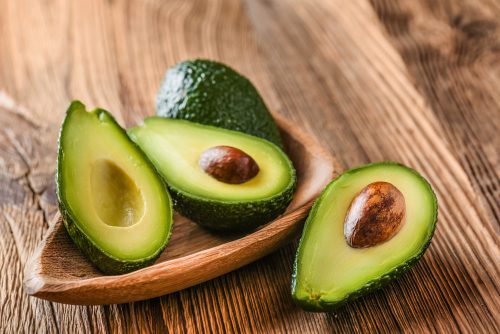
Avocados provide monounsaturated fats, vitamin E and carotenoids—all inflammation fighters. Spreading mashed avocado on seeded or whole-grain bread creates a balanced snack with fiber and complex carbohydrates. Top with sliced tomatoes, chili flakes or hemp seeds to amplify nutritional benefits and keep hunger at bay longer.
Kale Chips
This leafy green contains vitamins A and C alongside powerful antioxidants. Making chips at home takes minutes: tear washed leaves into pieces, toss with olive oil and salt, then bake at 350 degrees until crispy. Garlic powder or smoked paprika adds depth without compromising health benefits.
Quick Preparation Strategies
Yogurt with Berries
Unsweetened Greek yogurt delivers probiotics that support gut health, which researchers increasingly recognize as central to controlling inflammation. Adding berries introduces anthocyanins, compounds that neutralize free radicals. The combination provides protein, healthy fats and fiber in one bowl.
No-Bake Energy Bites
Combine rolled oats, chia seeds and nut butter for a grab-and-go option. Add honey, turmeric or cocoa powder for flavor and additional anti-inflammatory compounds. Roll into balls and refrigerate. These portable snacks require no cooking and store well.
Green Smoothies
Blend spinach, kale, frozen fruit and chia seeds for a nutrient-dense drink. Studies indicate chia seeds may lower C-reactive protein, an inflammation marker. A drizzle of honey or pinch of turmeric enhances both taste and health benefits.
Making It Sustainable
Success requires strategy. Wash and slice produce in advance. Create smoothie bags with pre-portioned greens and fruits for the freezer. Batch-cook roasted chickpeas or kale chips. Pre-portion trail mix and energy bites into small containers. Focus on one or two snack types weekly to avoid overwhelm.
The path to reduced inflammation doesn’t demand perfection. It requires consistency with food choices that support rather than sabotage your health. These snacks prove that nutrition and flavor aren’t mutually exclusive—they’re partners in building a healthier future, one bite at a time.