
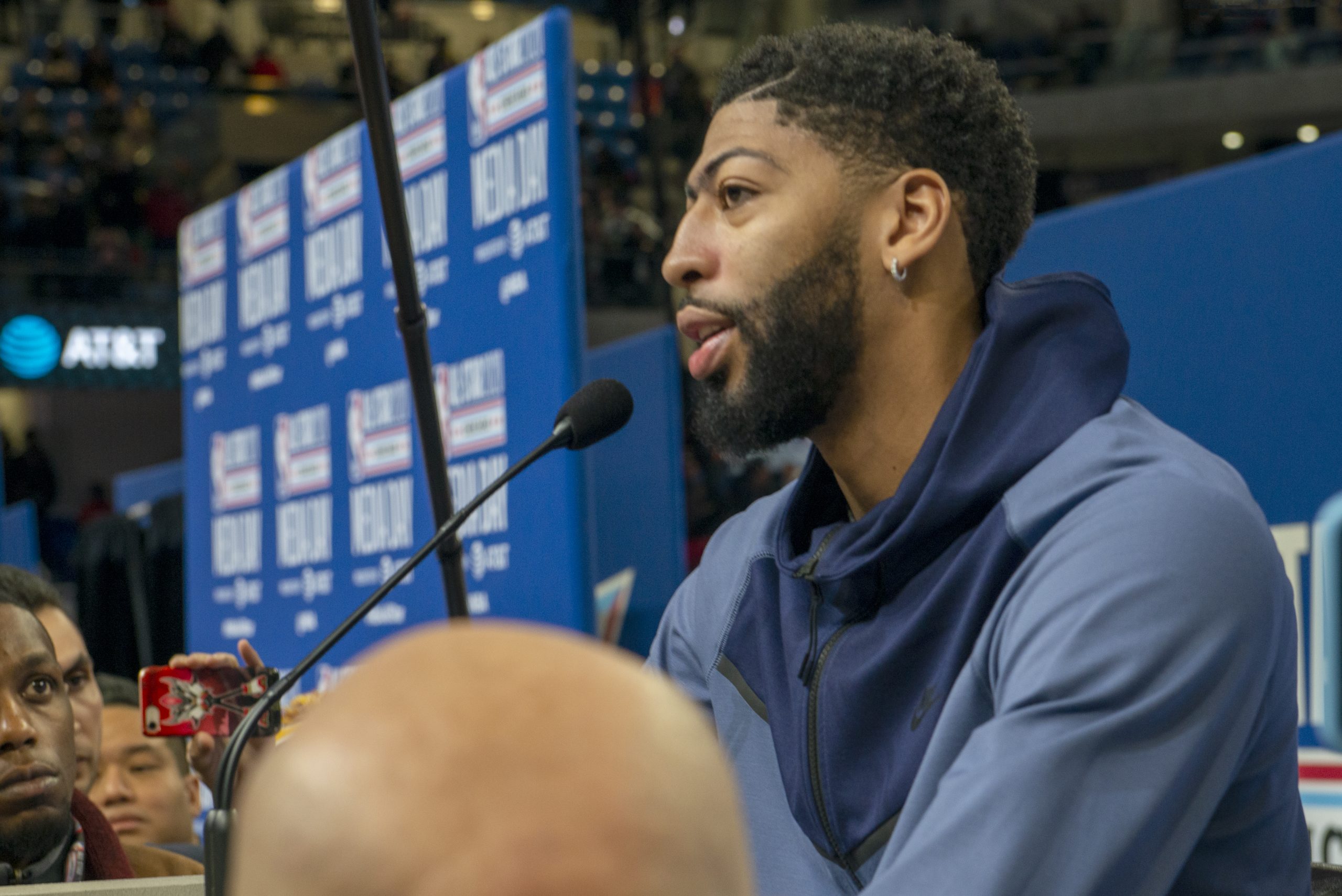
The embattled star’s latest calf strain forces ownership intervention as catastrophic Achilles tear concerns loom ominously
Mavericks governor Patrick Dumont has requested medical data indicating that Anthony Davis is not at risk of aggravating his left calf strain before giving a green light for the 10-time All-Star big man to return, sources confirmed Wednesday. Davis is listed as questionable for Wednesday’s home game against the Phoenix Suns, marking the third consecutive game he has carried that designation on the injury report, but he will miss his seventh consecutive game regardless.
Davis originally targeted his return for Saturday’s road game against the Washington Wizards, but there was significant disagreement between Mavs director of health and performance Johann Bilsborough and Davis’ personal medical staff on whether that timeline was prudent. Davis was held out after Dumont sided with Bilsborough, preferring to err on the side of caution rather than rushing back prematurely.
Dumont’s intervention signals front office chaos
Dumont’s direct involvement in the decision was a strong indication of his completely eroded trust in general manager Nico Harrison, who was fired Tuesday morning in a move that shocked the organization. Harrison had been in favor of Davis returning to action sooner, creating tension between the now-former GM and the medical staff responsible for protecting the franchise’s most valuable trade asset.
There is genuine concern about Davis suffering a potentially catastrophic injury if the calf strain is not completely healed, as happened with Indiana Pacers star Tyrese Haliburton, who ruptured his Achilles tendon in Game 7 of the NBA Finals last season. That devastating injury serves as a cautionary tale about rushing players back from lower leg injuries before they’re fully recovered.
Disastrous availability record since Doncic trade
Davis has played in only 14 games, plus a pair of play-in outings, since arriving in Dallas as the headliner in the return of the controversial Luka Doncic trade that absolutely outraged the Mavericks’ fan base. That abysmal availability record has become the defining characteristic of Dallas’ disastrous post-Doncic era, with fans chanting for Harrison’s firing at every home game.
Davis was recovering from an abdominal injury at the time of the February trade, and he rushed to return for the team’s first home game after the deal was completed. He sustained a related adductor strain after dominating the first half of a February 8 win over the Houston Rockets, demonstrating exactly why medical staffs are so cautious about rushing players back.
That adductor strain sidelined Davis for the next six weeks, costing him the remainder of the regular season and limiting his availability during the playoffs. The pattern of rushed returns leading to additional injuries has created serious concerns about Dallas’ medical decision-making process and whether ownership will continue deferring to medical professionals.
Catastrophic Achilles tear fears justify caution
The specific concern about a potential Achilles rupture stems from the biomechanical relationship between calf strains and the Achilles tendon. When players return too quickly from calf injuries, they often compensate in ways that place enormous stress on the Achilles, which can lead to catastrophic ruptures that end careers or require years of rehabilitation.
Haliburton’s injury in the Finals serves as the nightmare scenario that haunts every team’s medical staff. He was dealing with a calf issue, returned to play in a crucial playoff game, and suffered an Achilles rupture that will likely sideline him for the entire next season. Dallas cannot afford to have that happen with Davis, especially given how much they surrendered to acquire him.
Trade value plummets amid injury concerns
Davis’ repeated injury problems have severely damaged his trade value around the league, with executives questioning whether the 32-year-old can stay healthy enough to justify his massive contract. Multiple teams have expressed interest in acquiring Davis at a discount, but Dallas finds itself in a terrible negotiating position with limited leverage.
The Mavericks need Davis healthy to showcase his abilities and potentially recoup some value in a trade, but they also cannot afford to rush him back and risk a catastrophic injury that would make him completely unmovable. That impossible situation perfectly encapsulates the disaster that Harrison’s tenure became after the Doncic trade.
Organizational dysfunction reaches new heights
Dumont’s direct involvement in medical decisions represents unprecedented ownership interference in day-to-day basketball operations. Typically, team governors delegate these decisions to basketball operations personnel and medical staff, but Dallas’ dysfunction has reached levels where ownership feels compelled to personally review medical data before clearing star players.
That level of micromanagement suggests profound organizational problems that extend far beyond Harrison’s firing. When ownership cannot trust the medical staff, general manager, or basketball operations department to make sound decisions about player health, the entire franchise structure needs examination. Davis’ injury situation has exposed all of these underlying issues while the team continues losing games and alienating fans.
The Mavericks desperately need Davis healthy and productive to salvage anything from the Doncic trade disaster, but every additional game he misses damages both his trade value and Dallas’ playoff chances. Whether Dumont’s cautious approach protects the franchise or further delays an inevitable reckoning remains uncertain.