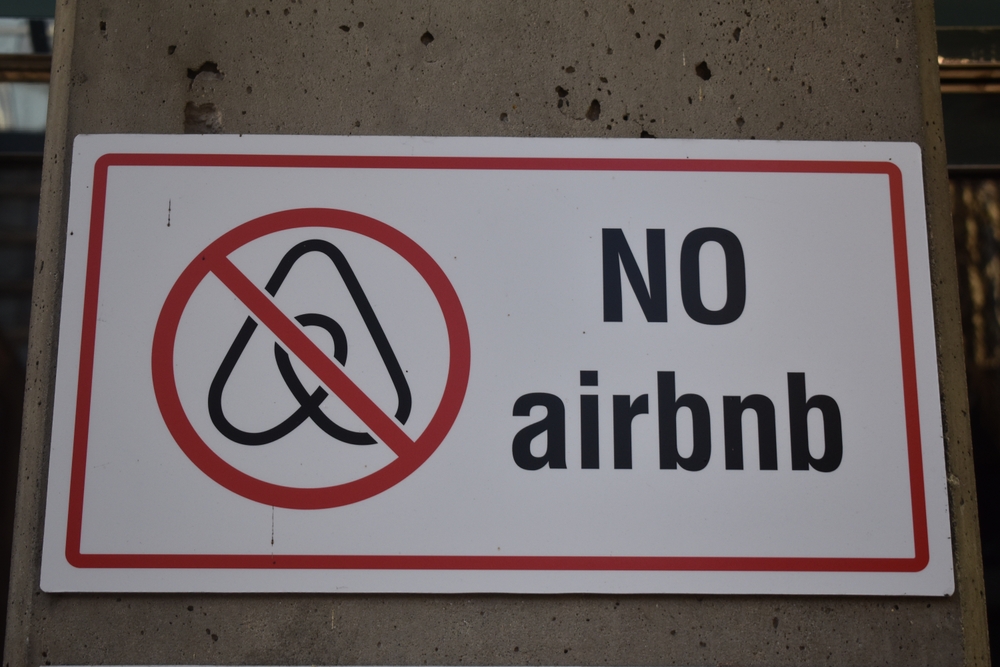
The Spanish government fined the property rentals giant €64 million for advertising unlicensed apartments and properties banned from being rented in popular tourist destinations
The Spanish government has fined property rentals giant Airbnb €64 million for advertising unlicensed apartments. It also said that some of the properties advertised in the popular tourist destination were banned from being rented. The fine, which cannot be appealed against, means Airbnb has to withdraw the adverts promoting unlicensed properties.
Spain’s left-wing government said the fine is final and ordered the U.S. based holiday rental platform to correct the violations by deleting illegal content. According to the ministry, 65,122 Airbnb advertisements breached consumer protection rules. These included listings for properties without a valid licence or with licence numbers that did not match official registers.
The penalty amounts to six times the illegal profit Airbnb earned between the time it was warned about the offending listings and when they were removed, the ministry said.
Housing crisis concerns
Spain, one of the top most visited countries in the world, has a buoyant tourism economy but that has fueled concerns about unaffordable housing, as high demand from visitors raises the price of housing, pushing local people out of the market. There are thousands of families who are living on the edge due to housing, while a few get rich with business models that expel people from their homes, said Spain’s consumer rights minister Pablo Bustinduy in a statement.
Spain’s economy has benefited from a tourism boom, but the surge has also intensified concerns over housing shortages and affordability, now a top priority for the minority coalition government. The country, the world’s second most visited destination, welcomed a record 94 million foreign tourists in 2024 and is on track to exceed that number this year.
However, residents in tourist hotspots such as Barcelona increasingly blame short term rentals for driving up housing costs and transforming local neighborhoods. Like many countries, Spain’s government is also concerned about how short term holiday lets can change a neighborhood, fueled by a transient population of holiday goers.
Ongoing crackdown on rentals
The country has been fighting a battle with thousands of Airbnb listings, banning them and clamping down on how many properties the firm can advertise. In May, there were demonstrations against the firm ahead of the busy summer season. In June, the consumer rights ministry also ordered Booking.com to remove more than 4,000 illegal accommodation listings.
Writing on social network Bluesky, Mr Bustinduy said no company, no matter how big or powerful, is above the law. Even less so when it comes to housing.
Global restrictions on Airbnb
Globally, several popular tourist cities place heavy restriction on Airbnb, including Barcelona, New York, Berlin, Paris and even San Francisco, where Airbnb was founded. The tech firm started up in 2007 but became hugely popular around 2014, as tourists looked for cheap accommodation without the tax costs imposed on hotels.
Users swelled as anybody could become a host and make some extra cash from renting out their spare room, though many major cities have since placed limits on these types of rentals, as complaints of noisy house parties and absent hosts became an issue.
The crackdown in Spain reflects a broader trend of governments attempting to balance tourism revenue with the needs of local residents facing housing shortages. The enforcement action demonstrates increasing willingness by authorities to impose significant financial penalties on platforms that violate regulations designed to protect housing markets.