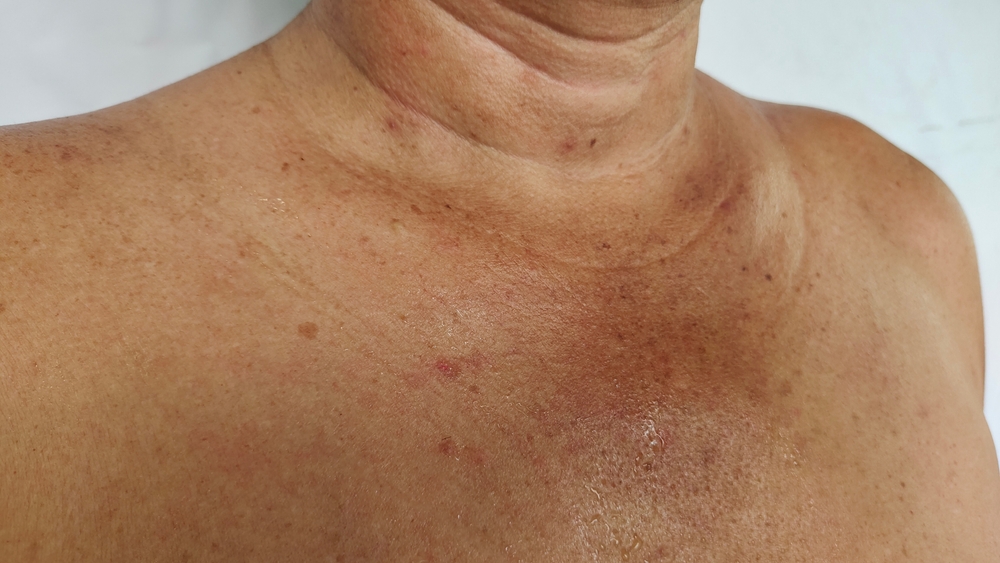
Your skin is keeping a record of every sunny day — and these dark patches are proof
What Are Age Spots, Really?
They show up uninvited — small, flat, darkened patches that seem to appear overnight but have actually been years in the making. Age spots, sometimes called liver spots or lentigines, are among the most common skin concerns for adults over 55. They range from a few millimeters to centimeters wide and can appear in shades of tan, brown, gray, or black. While their arrival often feels sudden, they’re actually the cumulative result of years of sun exposure — and yes, your genetics have something to say about it, too.
These spots are noncancerous and fall under the umbrella of skin hyperpigmentation, a condition that doesn’t discriminate by complexion. People across all skin tones and racial backgrounds can develop them. Another type, seborrheic keratoses, may also develop alongside lentigines with age — these tend to look waxy or scaly and can be raised or very thin and shiny.
Why Your Skin Develops Them
When the skin is repeatedly exposed to sunlight, it responds by producing extra melanin — the pigment responsible for skin color. Over time, that melanin accumulates in the areas most frequently hit by UV rays or in spots where the skin is thinner. The result? Those telltale dark patches.
Age spots most commonly appear on the hands, face, shoulders, back, and arms, either as individual spots or in clusters. The tendency to develop them is largely genetic, though prolonged sun exposure over a lifetime is the most significant contributing factor. The good news: they pose no health risk. The not-so-great news: once they show up, they’re not going anywhere on their own.
How to Prevent Age Spots
Prevention works best when it starts early — ideally before age 20 — but it’s never too late to build better habits. Daily application of a broad-spectrum sunscreen with SPF 40 or higher is the most effective defense against new age spots forming. Apply before heading out each morning and reapply throughout the day.
Beyond sunscreen, covering up with long sleeves and a wide-brimmed hat while outdoors adds an extra layer of protection. Keeping the skin moisturized, eating a balanced diet, and moderating alcohol intake are also habits that support overall skin health and may delay the appearance of spots over time.
One mistake to avoid: over-exfoliating. Scrubbing the skin more than twice a week won’t speed up fading — it can actually irritate the skin, trigger rashes, or worsen acne. And no matter how tempting it may be, picking at age spots is a hard no. Doing so risks tearing the skin’s surface and opening the door to bacterial infections.
Professional Treatments Worth Exploring
For those who want more dramatic or faster results, a board-certified dermatologist can recommend in-office procedures tailored to your skin type and tone. It’s also worth scheduling at least one yearly skin check to rule out anything cancerous.
Common professional treatments include:
- Cryotherapy: A liquid nitrogen solution freezes the cells containing age spots; once healed, the skin typically appears lighter.
- Microdermabrasion: A physical treatment that sands down the top layer of skin to minimize the darker color of spots. Studies have found that consistent biweekly sessions over 16 weeks led to complete disappearance of age spots in four out of 10 participants.
- Chemical peels: Chemical exfoliants work similarly to microdermabrasion, encouraging new skin to surface. Research suggests nearly half of participants who received a peel saw their spots lighten by at least 50 percent.
- Laser removal and electrodesiccation: Additional options that target pigment with precision.
People with deeper skin tones should consult a dermatologist before pursuing any lightening procedure, as some treatments carry a higher risk of side effects for darker complexions.
At-Home Treatments That Actually Work
Prefer to start at home? There are several topical options proven to fade age spots over time — just know that patience is non-negotiable. Results typically take weeks to months of consistent use.
Hydroquinone-based bleaching creams are a well-known option, but they come with caveats: long-term use can sometimes darken skin, and some skin-lightening products have been flagged by the FDA for containing mercury. Always consult a dermatologist before starting any lightening regimen.
Retinoids — including over-the-counter retinol — work by increasing cell turnover and stimulating blood vessel production, which can improve skin tone and brightness over time. Just be sure to pair retinol use with daily sunscreen.
Face washes with lactic acid offer a gentler approach, providing light exfoliation that keeps skin fresh and may gradually reduce discoloration.
Four Products Dermatologists Recommend
- Murad Rapid Dark Spot Correcting Serum — formulated with resorcinol and glycolic acid to target existing spots and prevent new ones from forming
- SkinCeuticals Discoloration Defense — a triple-acid blend of kojic acid, tranexamic acid, and vitamin B3 designed to reduce discoloration with consistent use
- La Roche-Posay Glycolic B5 Dark Spot Corrector — combines glycolic acid, tranexamic acid, and kojic acid for visible brightening in as little as two weeks
- Revision Skincare Intellishade Clear — a broad-spectrum SPF 50 moisturizer with vitamin C and hyaluronic acid that hydrates, brightens, and helps prevent future spots
Source: The Healthy