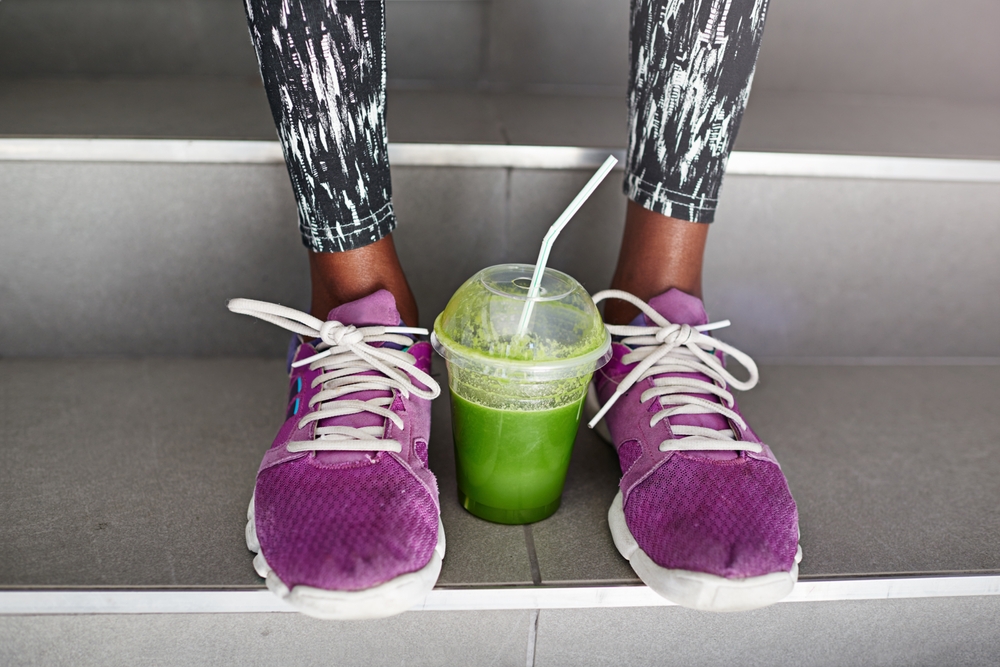
Everyone’s convinced that smoothies are health food. You throw fruit, protein powder, yogurt, and nut butter into a blender and suddenly you’re consuming something that feels virtuous and nutritious. But what you’ve actually created is a drink that’s basically fruit sugar with protein powder, which is fundamentally different from eating the same ingredients as whole food. The liquid form changes how your body processes it, how quickly your blood sugar spikes, and how satisfied you actually feel.
When you eat whole fruit, you consume fiber along with the sugar. The fiber slows carbohydrate absorption, moderates blood sugar response, and creates satiety. When you blend that fruit into a smoothie, you’ve mechanically broken down the fiber structure. The sugar hits your bloodstream much faster. Your blood sugar spikes harder. Your pancreas releases more insulin. You experience a more dramatic energy crash afterward. You’ve taken healthy fruit and transformed it into basically a high-sugar beverage.
The problem is worse when they contain multiple fruits, added sweeteners like honey or agave, and non-fat yogurt that’s loaded with added sugar. You’re consuming forty to sixty grams of sugar in liquid form without the satiety that actual food provides. Your body doesn’t register liquid calories the way it registers solid food. You don’t feel full. You don’t get the eating experience. You consume the smoothie and an hour later you’re hungry again and crashing from the blood sugar spike.
Protein powder adds complexity but doesn’t fix the problem
Adding protein powder helps somewhat. Protein slows carbohydrate absorption and creates more satiety. But it doesn’t solve the fundamental problem that you’re consuming high sugar in liquid form. A smoothie with protein powder is better than a smoothie without it, but it’s still not as good as eating the same ingredients as whole food.
Someone who eats fruit with nuts and yogurt as separate components experiences better satiety, more stable blood sugar, and better nutrient absorption than someone who blends the same ingredients. The eating experience matters. The mechanical breakdown matters. The blood sugar response matters. Smoothies are fundamentally different from their constituent ingredients despite containing the same nutrients.
The commercial smoothie disaster
Commercial smoothies are catastrophically worse because they’re specifically engineered for taste and shelf stability. They contain added sugars, fruit concentrates, sweeteners, and sometimes added carbohydrates. A Smoothie King or similar can contain eighty to one hundred grams of sugar. You’re drinking basically flavored sugar water that’s been branded as a health food.
People consume these under the impression they’re getting nutrition and actually experiencing massive blood sugar spikes, insulin crashes, and energy dips throughout the day. They wonder why they’re tired or why they’re gaining weight despite making healthy choices.