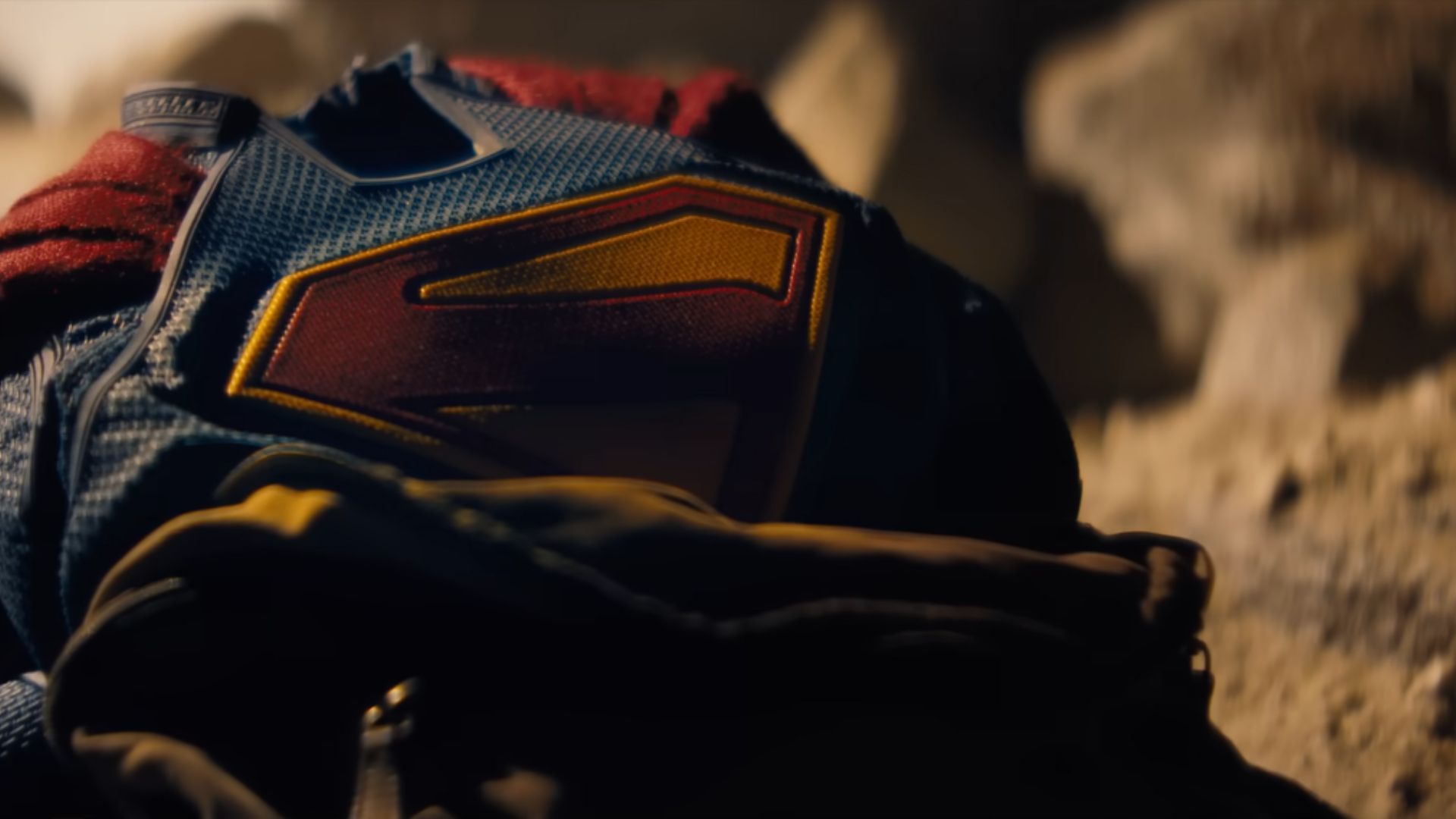

The second DCU movie, Supergirl, is an adaptation of the acclaimed graphic novel, Supergirl: Woman of Tomorrow. The big-screen version, written by Ana Nogueira, borrows its foundational plotlines and characters from the book, including one major addition that was originally intended to be a part of the source material. However, there are also some small changes.
One of the most discussed aspects of the movie is the changes it made to the source material. Even though Krypto is poisoned in both versions of the story, the way Kara saves the canine’s life and avenges him is different.
“When an unexpected and ruthless adversary strikes too close to home, Kara Zor-El, aka Supergirl, reluctantly joins forces with an unlikely companion on an epic, interstellar journey of vengeance and justice.”
5 differences between Supergirl and the original comic
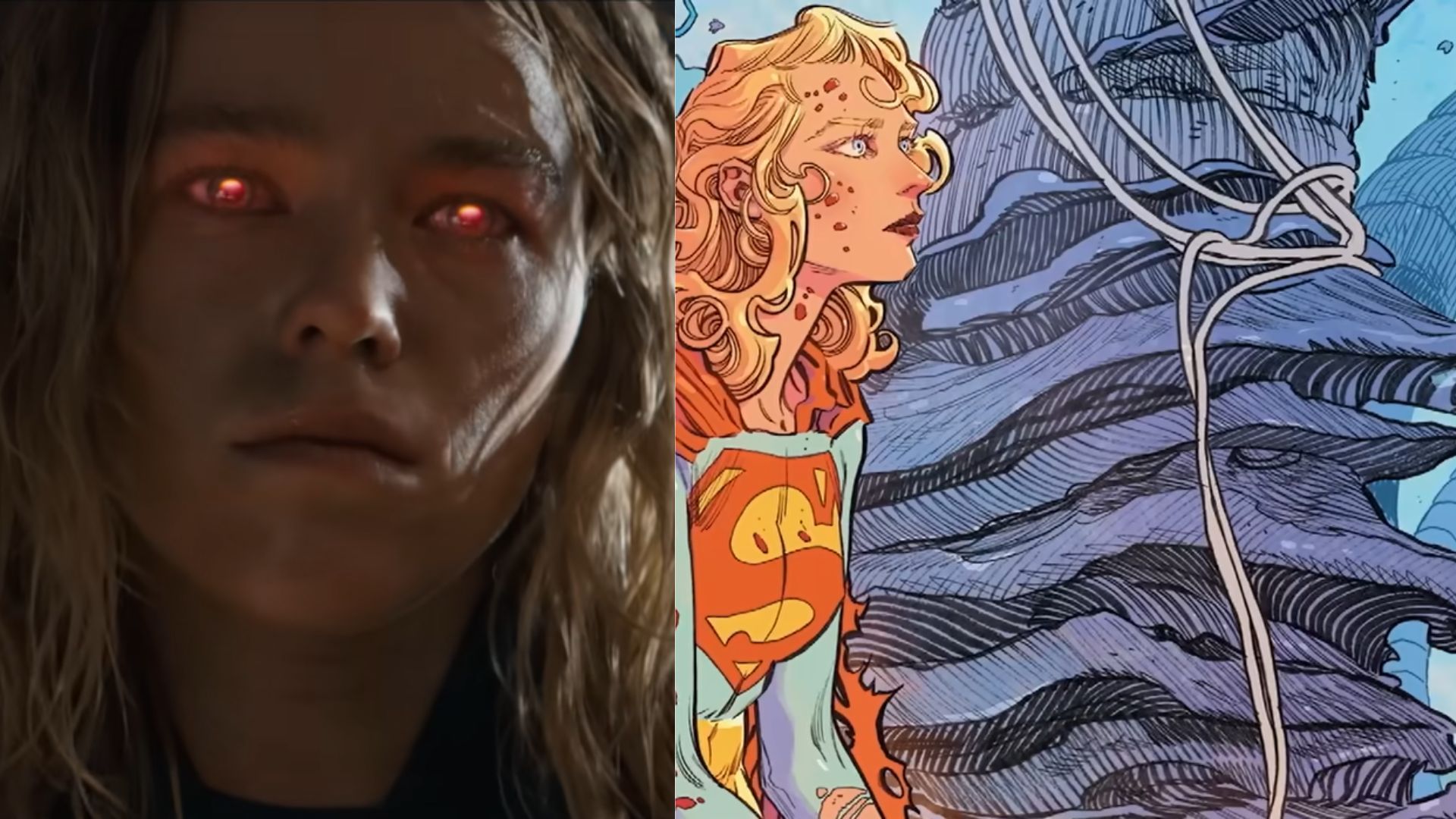
Here are some of the noticeable differences between the comic book and the big screen adaptation:
Krem’s fate
The movie shockingly ends with Kara killing Krem. Ruthye is the one who subdues Krem and is about to murder him, but she is unable to do so. The Girl of Steel kills the space pirate for his role in almost killing Krypto and spares the young girl her innocence. It should be noted that Krem doesn’t die in the original Woman of Tomorrow comic. Instead, she imprisons him in the Phantom Zone for 300 years.
The final page of Woman of Tomorrow jumps three centuries later, when it is revealed that the narrator of the comic was none other than an older Ruthye. Three centuries in The Phantom Zone have changed Krem, and he begs forgiveness from Ruthye. However, the old Ruthye smacks Krem around his head, not killing him like writer Ana Nogueira suggested in the Variety interview.
Revealing that Kara killing Krem was always a part of her pitch, Nogueira said:
“I also find it really interesting because it means she has her own moral compass going forward. One that is separate from what Superman’s famous moral compass is: that he never takes a life. It’s really exciting to see. I have no idea what happens between the two of them in “Man of Tomorrow,” that’s above my pay grade. But it’s really exciting to think about them going forward and having these different viewpoints on how you deal with villains.”
It seems that certain aspects of Krem himself were changed.
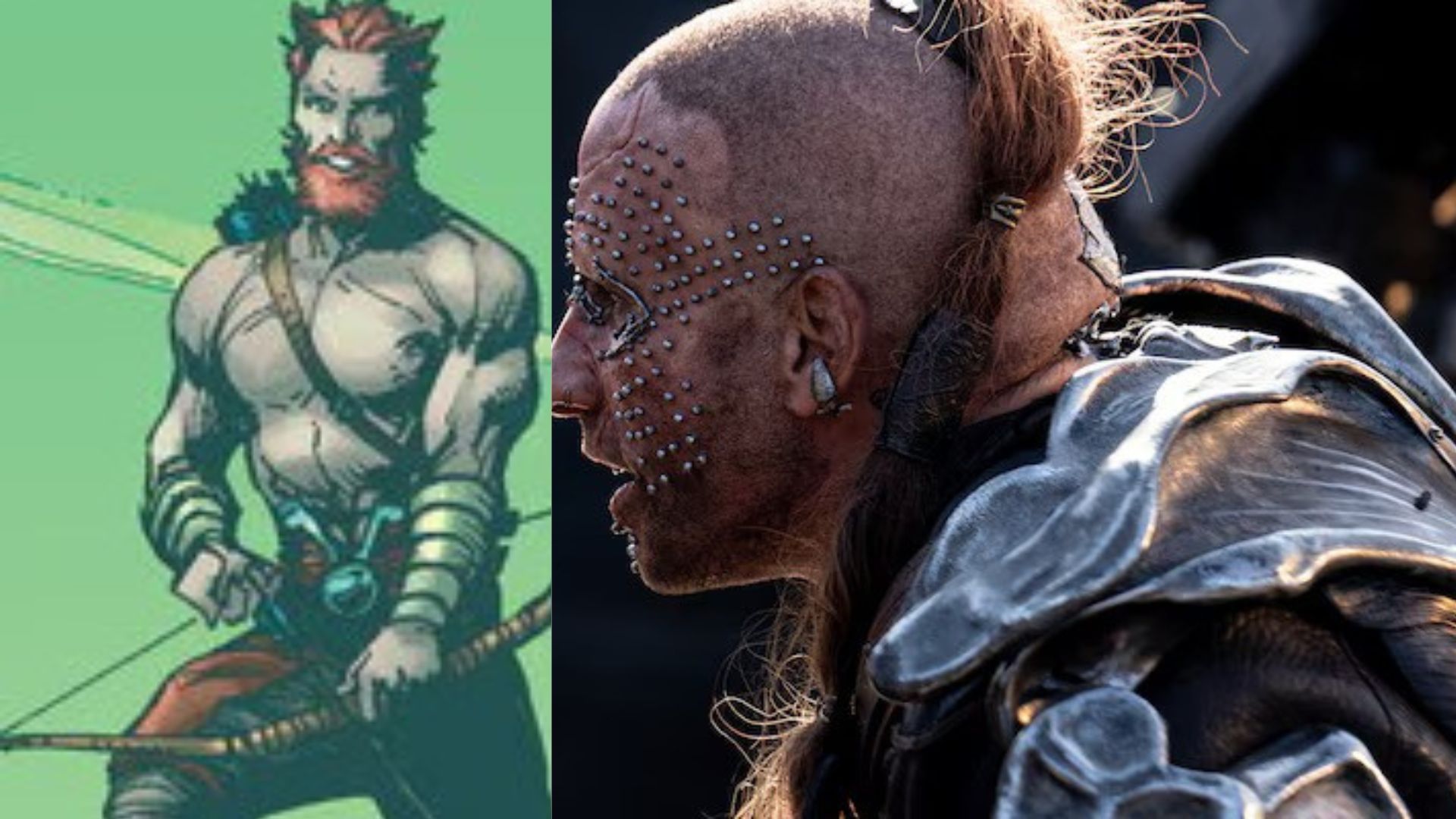
One of the aspects of the Woman of Tomorrow comic that was criticized was its villain, Krem. Therefore, Supergirl had a chance to improve upon the source material. However, it seems that not a lot of critics were impressed by Matthias Schoenaerts’ interpretation of the movie as well.
It seems that the big screen adaptation has changed even the villain’s looks. While he looked like a human in the comic, the big screen version looks nothing like his book counterpart. Moreover, he doesn’t start as a Brigand in the book, but rather a corrupt Kingsagent, who sought people who criticised the ruler. In the case of Ruthye’s father, Krem simply did not like Ruthye’s father and therefore killed him.
Krem joined the Brigands in the book much later, when he played a part in the genocide of the purple people in the alien city of Maypole, something the movie excludes completely. Instead, the movie reveals that Krem was always a part of the all-male space-pirates, the Brigands. Supergirl also replaces the genocide of Maypole with the space pirates abducting young girls across the galaxy.
Ana Nogueira addressed this change in the Variety interview by saying that she wanted Krem and the rest of the Brigands to be vile:
“I also wanted it to be something that specifically put our girls in jeopardy, so that they would be a target. Because otherwise, I don’t know why the Brigands would come after them. So, it’s those silly, boring writerly things that then end up leading to a larger plot. And it just tracked for me that the Brigands are an all-male race: What do they need?”
Changed chronology
The big screen adaptation of the Supergirl: Woman of Tomorrow comic compresses the entire plotline of the book. In the source material, Ruthye and Kara’s hunt for Krem goes on for months. However, the big screen adaptation compresses the entire hunt to just three days.
In the book, Krypto is healed off-screen, and he is resting on the planet where he was injured as Kara and Ruthye hunt for Krem through the galaxy for months. The idea that Krem possesses the antidote is a movie addition. In the book, Kara takes Ruthye with the knowledge that Krypto is completely fine and that he will survive the ordeal.
However, the movie changes it to make Krem even more evil than he already was. However, the most important change was the 300-year time jump in the comic, which was never possible in the big-screen adaptation. The time jump would’ve forced the DCU to pivot to the future, which would’ve been impossible.
Lobo
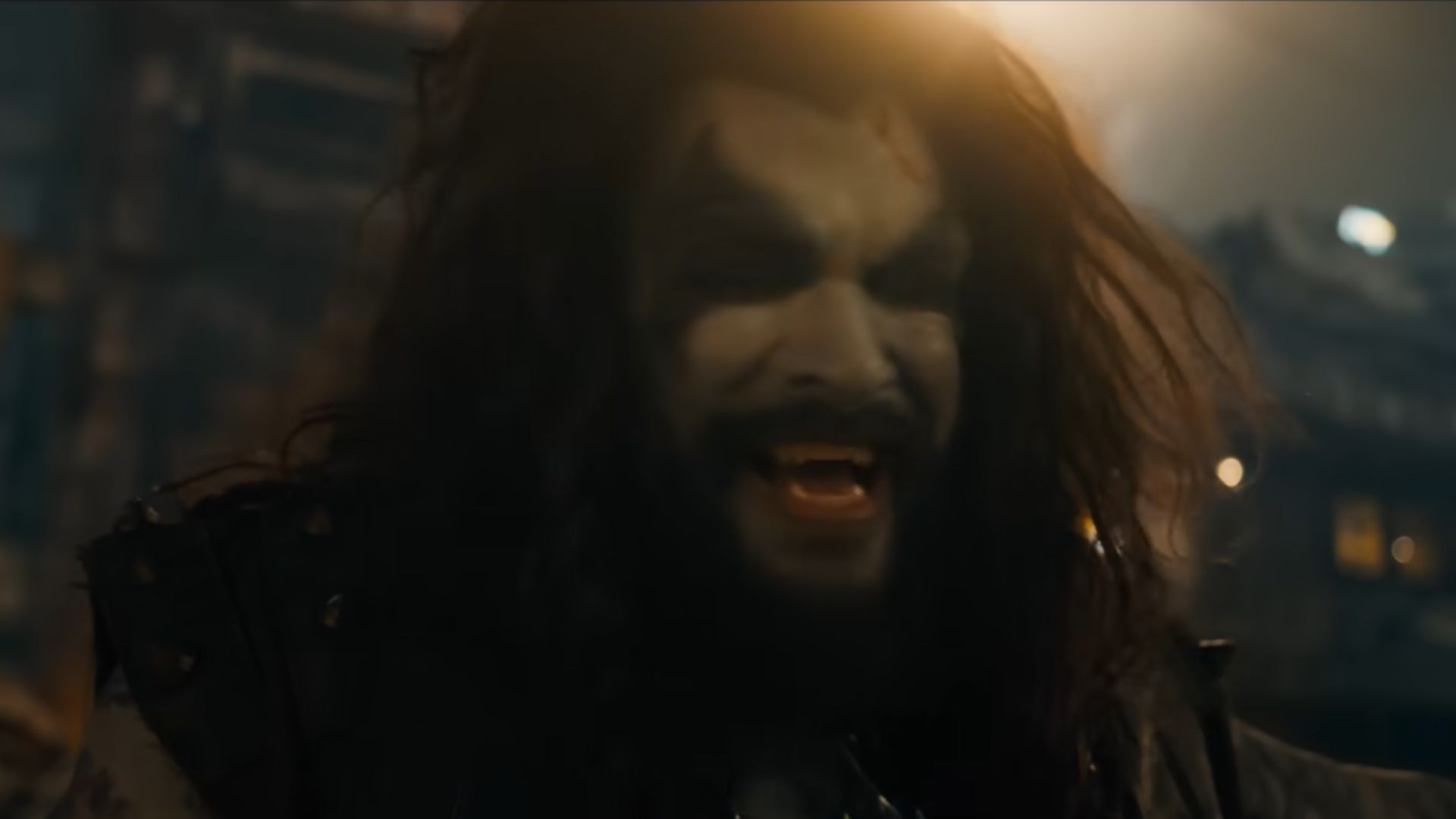
Momoa was fan-cast to play the Czarnian bounty hunter even before he was cast as Aquaman in the DCEU. However, James Gunn and Peter Safran retained the actor for DCU, but to play the character he and the fans always wanted to play. Moreover, Lobo was initially intended to be the secondary protagonist of the Woman of Tomorrow comic.
But DC shot down the idea, something Tom King addressed in his appearance on the Word Balloon podcast:
“That book began as me pitching a Lobo/Supergirl book. And it was my editors, Brittany Holzer and Jamie Rich, who were like, ‘No, take Lobo out and make Supergirl the Rooster Cogburn character.'”
However, the big screen adaptation gives DCU a chance to include a character that was always planned to be a part of the story. The movie writer touched upon the decision to add Lobo in the Variety interview, saying that Gunn and Safran asked her to:
“Put Lobo in. We think Lobo has a place in this.” I think their thinking was we know Jason Momoa is interested in this, and how can you turn that down? He’s so excellent in it, and you have to find a place when somebody is willing to go there. But at the same time, it also makes sense, because it’s intergalactic. It’s hard to bring Lobo to Earth — he’s always taken place in outer space — so they’re like, “This is an opportunity to bring in this character that would be hard to bring in.”
Then, she further continued:
“I knew Tom King had based the comic on ‘True Grit,’ but originally, Lobo was the bounty hunter and Kara was the girl. Then he was like, “That doesn’t quite work.” He flipped it, and he brought in Ruthye. But when I was trying to bring in Lobo, I was like, “There is a third character in ‘True Grit’: Matt Damon’s character,” so if we follow that structure, there’s still room for this guy who is like a frenemy to the two of them. And Lobo is the ultimate frenemy.”
Narrator
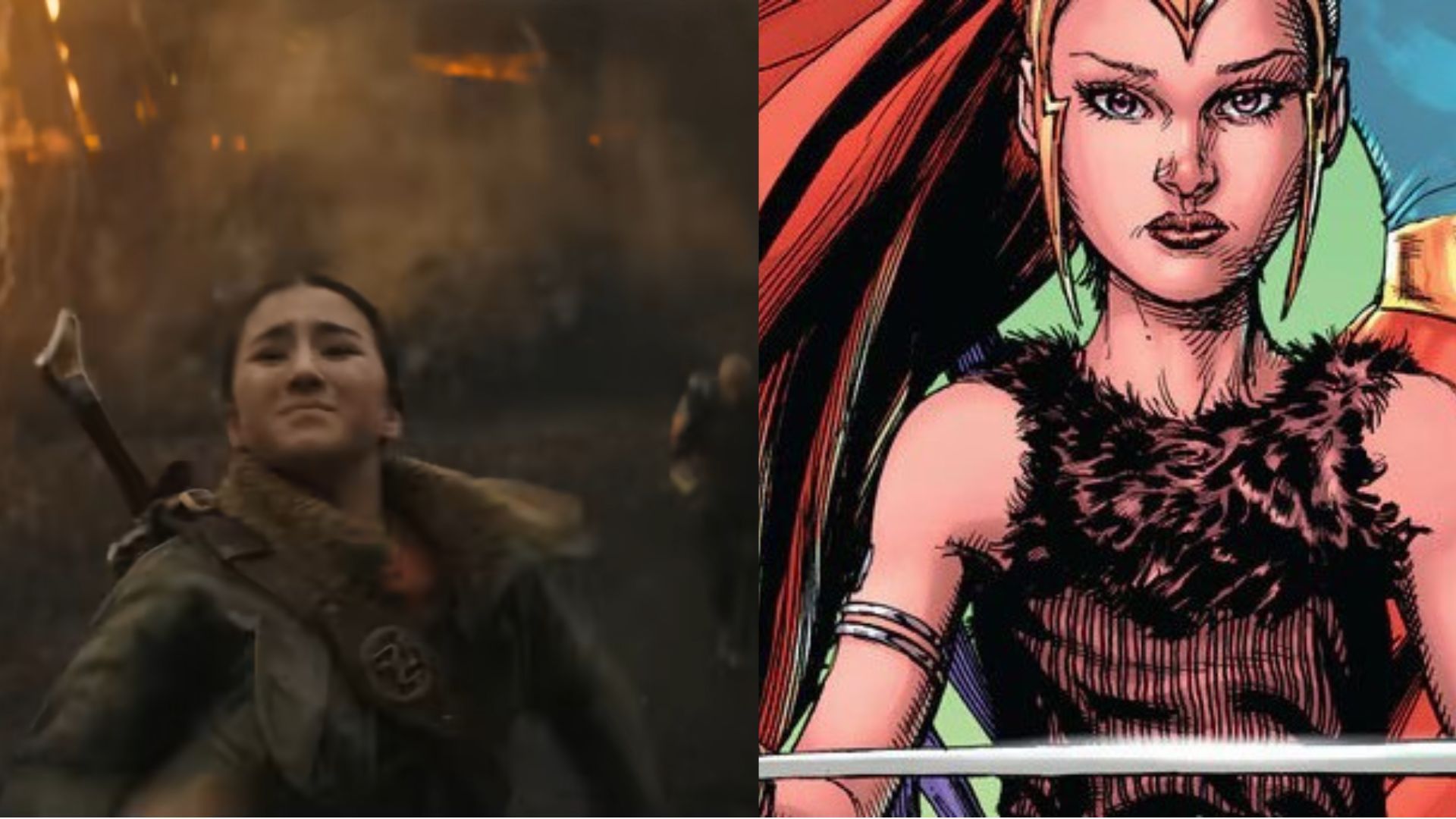
The final issue of Supergirl: Woman of Tomorrow reveals that the narrator of the entire comic is none other than an old Ruthye, who is narrating the story 300 years after her hunt for Krem. However, the movie not only skips the three-hundred-year time jump, but also changes it to Ruthye witnessing the events from her perspective. Nogueira addressed this change by saying:
“In the original draft of the script, the movie opened with meeting Ruthye and getting to know her. But what we realized is that comic readers know Supergirl really, really, really well, so they are OK with meeting her through somebody else’s eyes. But for the movie-going public, Supergirl is not Batman; we haven’t seen her parents die a bunch of times [like Bruce Wayne’s], we don’t know it that well.”
She continued:
“I’ve seen Spider-Man get bitten by a radioactive spider a bunch of times, but we don’t have that with her. So, we realized we had to onboard the audience to [Kara] as the focus of the movie, not just through Ruthye.”
The writer then spoke about changing Ruthye’s role in Supergirl, saying:
“But we wanted to maintain the sense of wonder of this little girl seeing this extraordinary woman and wanting more from [her]. There’s this element of [Kara] not totally living up to her potential, so we wanted to maintain that, but take the voiceover Ruthye out of it.”
Moreover, Ruthye’s father, Elias Knoll, and her entire family are murdered by Krem in the movie, while the corrupt Kingsagent murders just Elias in the comic. Moreover, Supergirl changes Elias into an impressive swordsmith, while he is just a rock farmer in the comic. And Comet the Super-Horse is missing from the movie, even though he has a role in the acclaimed source material.
What else changes from Woman of Tomorrow did you notice in Supergirl? Let us know.
Read More:
Supergirl ending proves why Kara is a more conflicted hero than Superman
Supergirl first reactions compare the DC movie to Mad Max
Edited by Aratrika Baidya