
NASA’s Space exploration is one of the boldest ventures by humans but often times it has also ended in failures and fallacies. For every triumphant moonwalk and every successful dsocvert, there are also stories that went catastrophically wrong and has humbled one of the world’s most advanced agencies.
We’re talking about tragedies that killed astronauts, shattered families, and forced NASA to completely rethink how it operates. But here’s the thing: each disaster became a turning point and the lessons learned from these missions have made space travel safer and have driven innovations that benefit us all. Here are five of NASA’s darkest hours, and what came from the ashes.
Apollo 1 tragedy
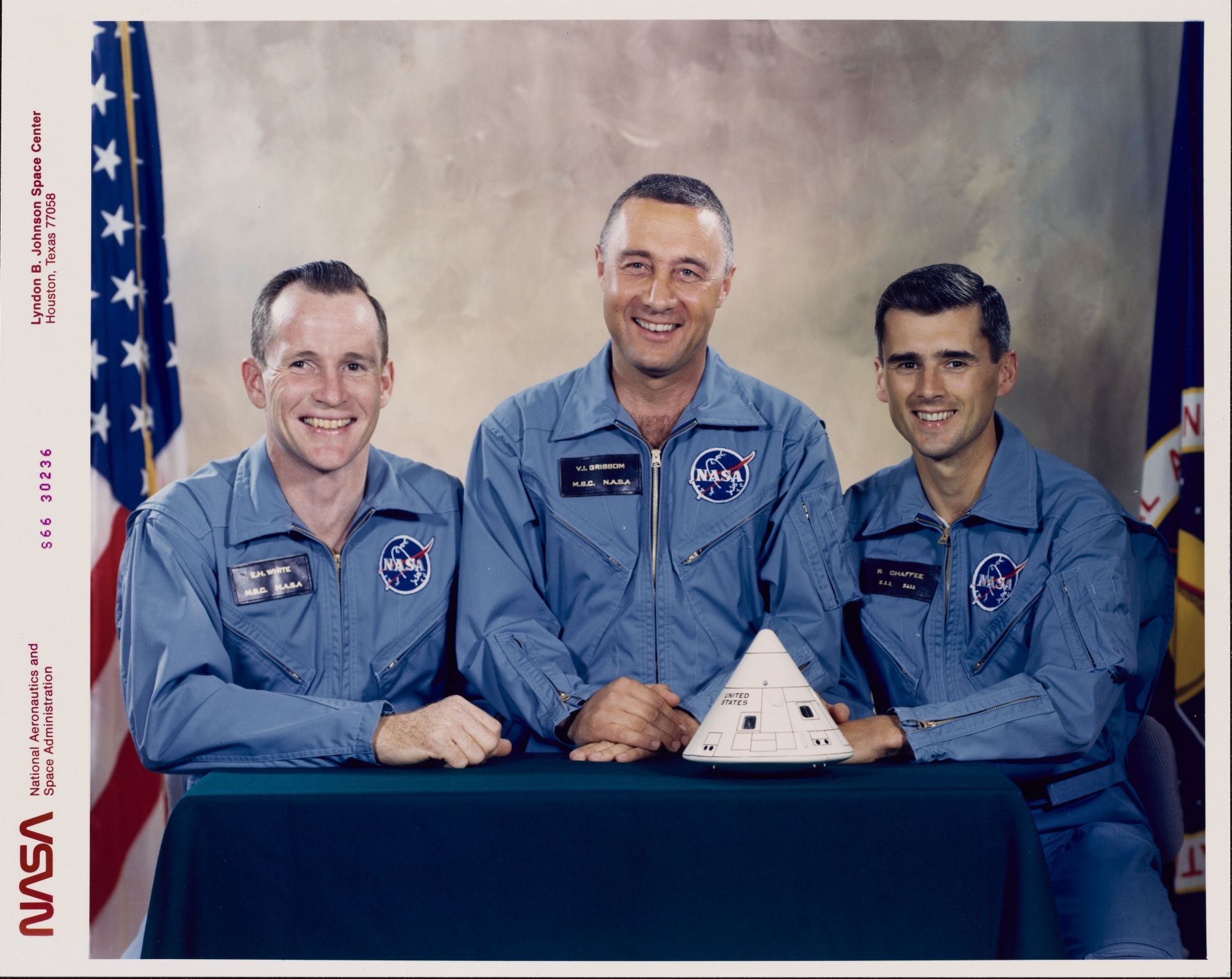
On January 27, 1967, astronauts Gus Grissom, Ed White, and Roger B. Chaffee were sitting in the Apollo 1 command module at Launch Complex 34, running through a “plugs-out” test in preparation for their planned launch just weeks away. They weren’t even on the launch pad ready to go and it was just a straightforward test to make sure everything was working properly before they strapped themselves in for real, and soon enough, something went horribly wrong.
A fire broke out inside the capsule and the flames spread speedily. The heat and smoke consumed the command module in seconds and by the time ground crew realized what was happening and rushed to help, it was too late and all three men were dead.
Investigations later revealed that the wiring was faulty and prone to arcing, the interior materials were flammable and the hatch design made escape nearly impossible in an emergency. It was a wake-up call that rattled everyone at NASA. Engineers completely redesigned the command module, rewired the entire spacecraft, replaced flammable materials with safer alternatives, and redesigned the hatch so it could be opened quickly in emergencies.
The Challenger disaster
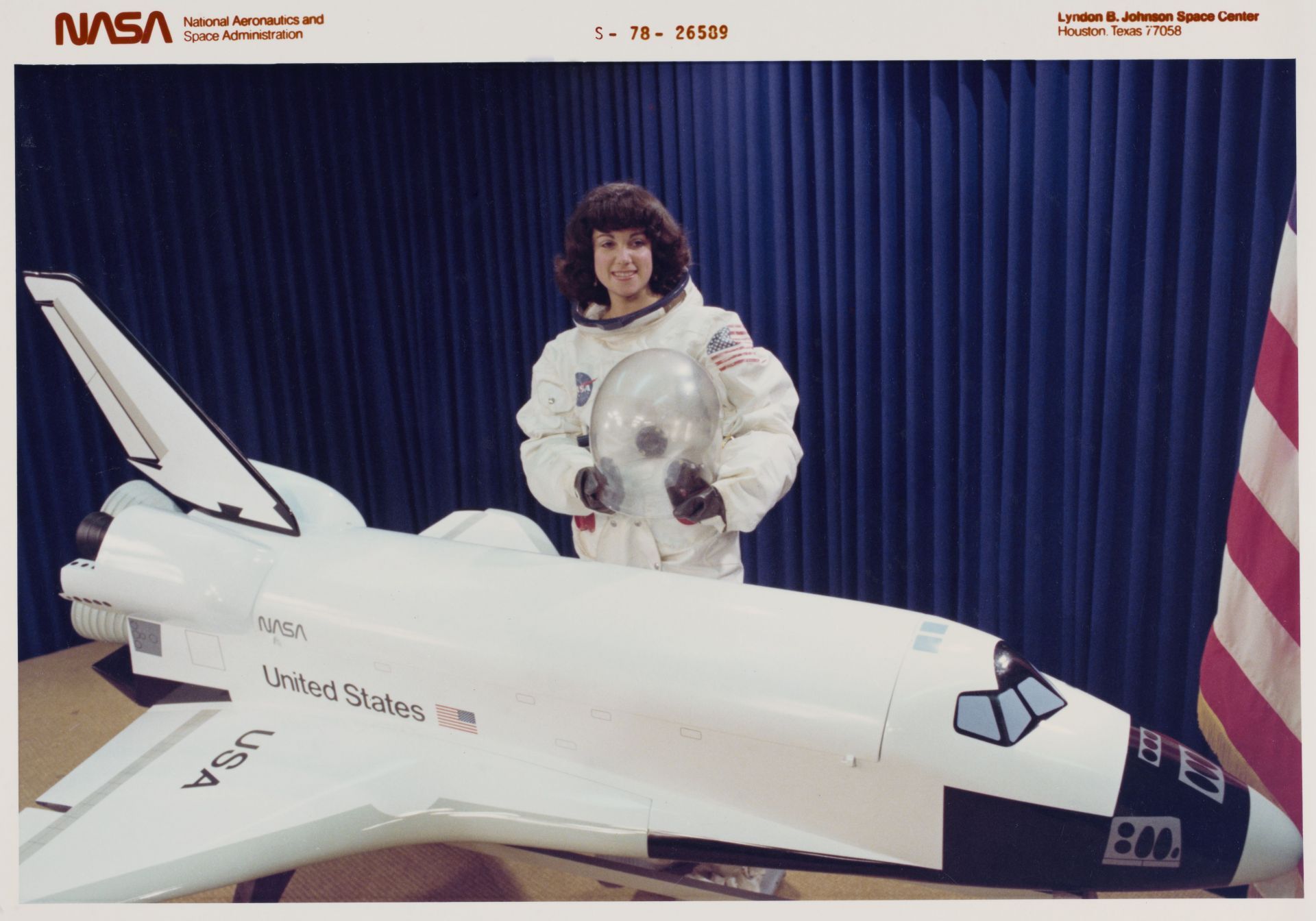
January 28, 1986, started like any other launch day at Kennedy Space Center, except that it was unusually cold. The Space Shuttle Challenger lifted off at 11:39 in the morning, carrying seven crew members. Just 73 seconds into the flight, everything fell apart. The cold weather destroyed an O-ring seal in the rocket booster, after which superheated gases leaked out and ate at the external fuel tank. The ship tilted sideways into the windstream and broke apart, killing all seven people.
As a result, the shuttle program was suspended for nearly three years while spacecraft were redesigned and safety protocols were completely overhauled.
Mars Climate Orbiter
Sometimes the most catastrophic failures are the ones that seem almost stupidly simple in hindsight. On September 23, 1999, NASA lost contact with the Mars Climate Orbiter as it approached Mars. This spacecraft had traveled 416 million miles through space, braving cosmic radiation and the vast emptiness of the solar system, only to be destroyed by a unit conversion error.
A team of engineers at NASA’s Jet Propulsion Laboratory was using metric units (newtons) to calculate the spacecraft’s trajectory. Another team at Lockheed Martin, the contractor building the orbiter, was using imperial units (pounds-force). Nobody caught the mismatch, so the navigation data was off by a factor that caused the orbiter to enter Mars’ atmosphere at an altitude of 57 kilometers instead of the planned 93 kilometers. At that altitude, the spacecraft couldn’t withstand the atmospheric pressure and heat. It was torn apart and destroyed and just like that, a $327 million mission was lost.
NASA implemented stricter protocols for unit standardization across all missions and the Mars Climate Orbiter disaster taught a humbling lesson: no matter how brilliant your engineers are or how much money you spend, the fundamentals matter.
Boeing Starliner disaster
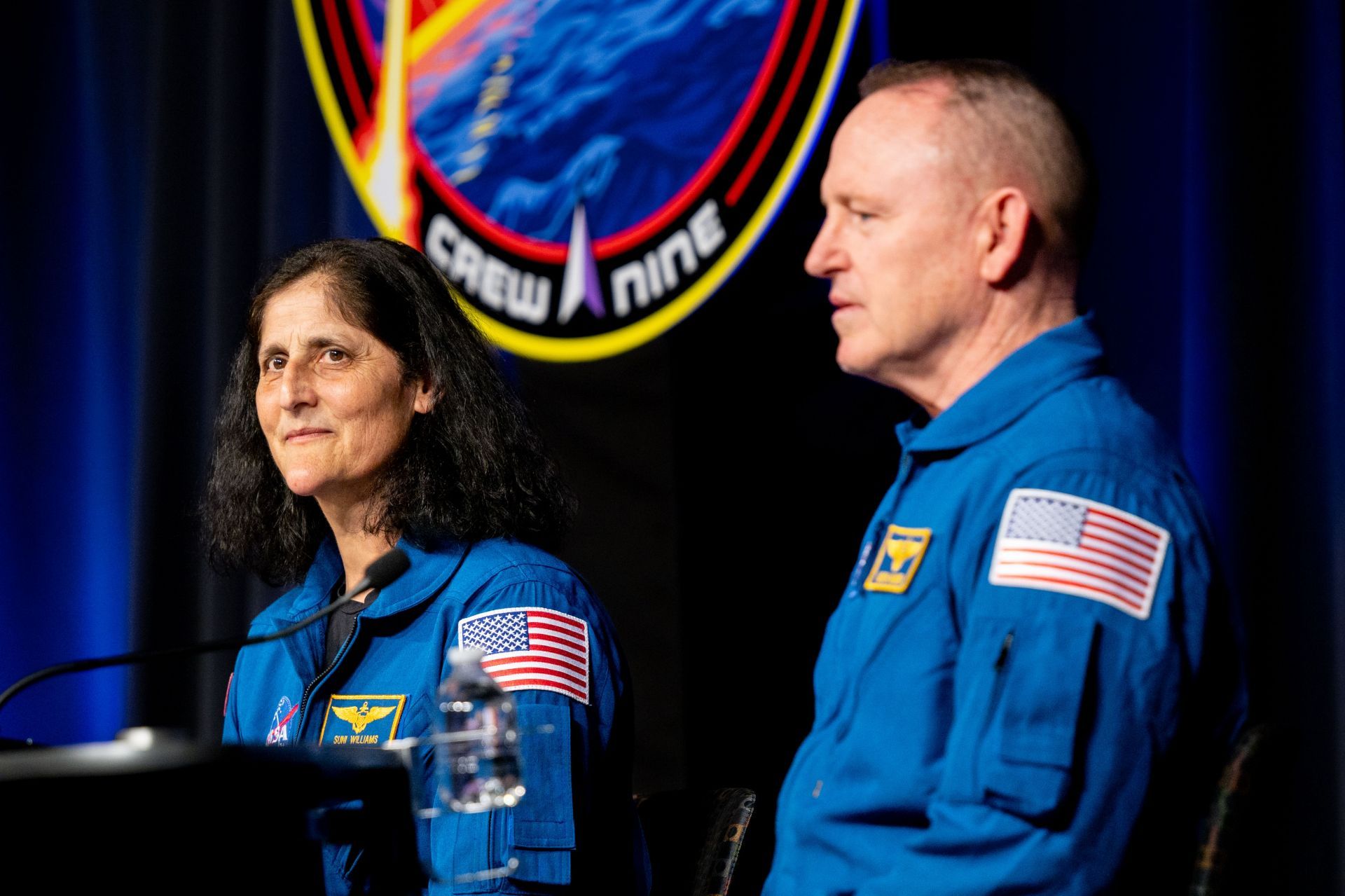
In June 2024, NASA astronauts Sunita Williams and Butch Wilmore were supposed to spend a week aboard the International Space Station aboard the newly developed Boeing Starliner. They docked successfully, but problems emerged almost immediately. The spacecraft developed helium leaks in its propulsion system, and multiple thrusters malfunctioned. What should have been a one-week trip turned into an indefinite stay as engineers scrambled to figure out whether it was safe to bring the astronauts home.
Eventually, NASA made the tough call: it was too risky. Instead of returning on Starliner, Williams and Wilmore would have to wait for a SpaceX mission to bring them home safely and while this incident didn’t result in fatalities like the previous disasters, it represents how space exploration remains fundamentally unpredictable and how important it is to have backup plans and the humility to admit when something isn’t safe.
Space Shuttle Columbia disaster
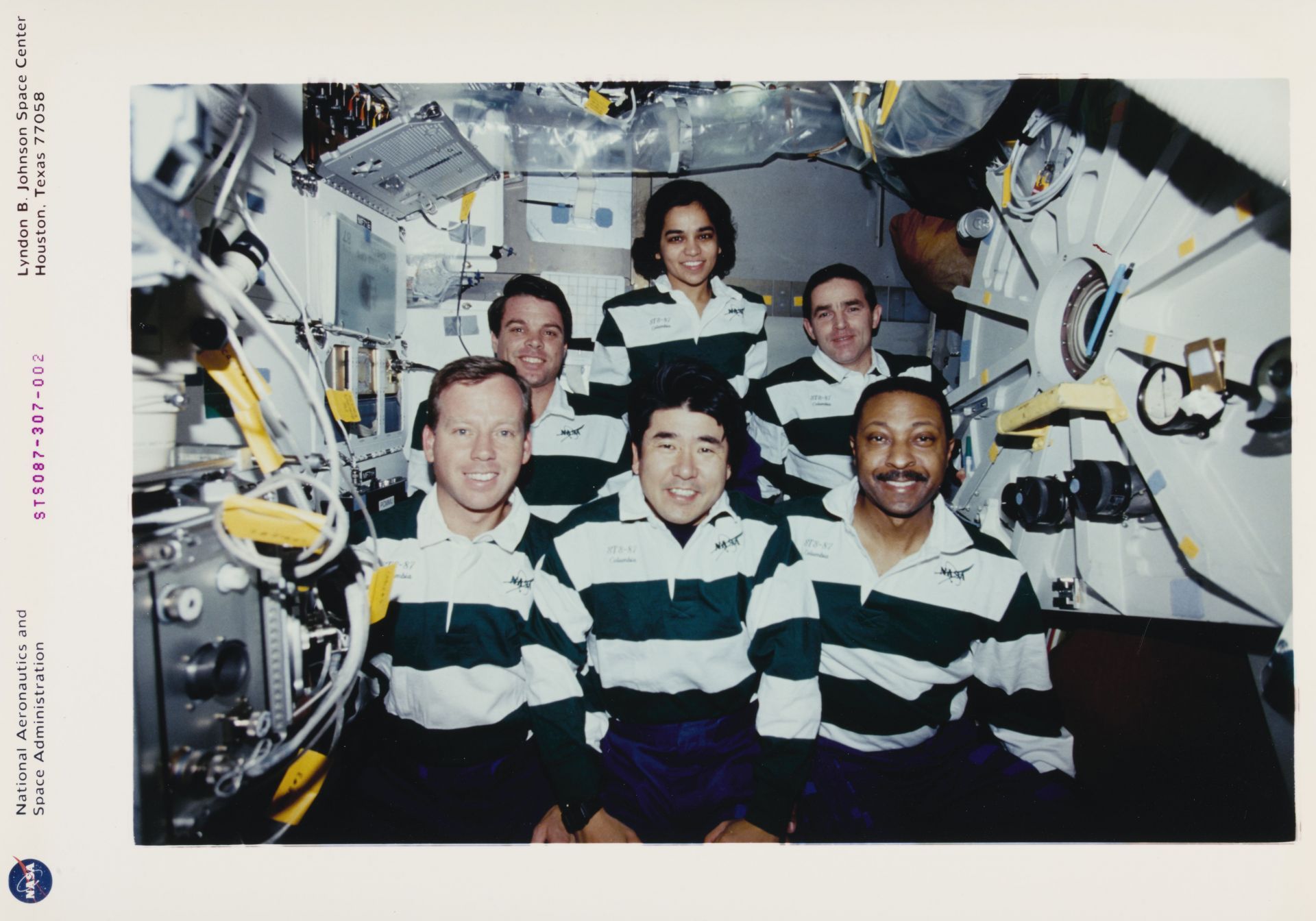
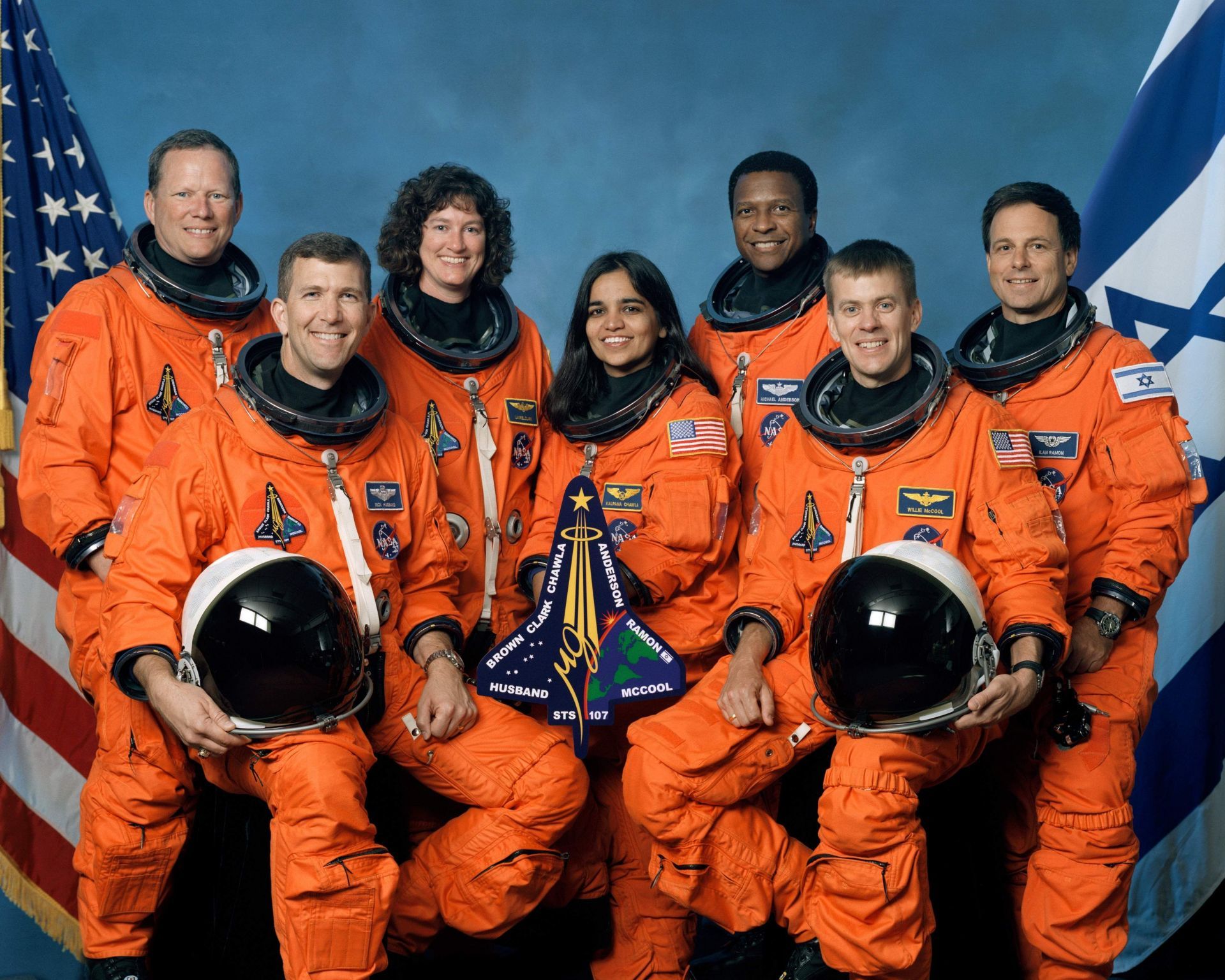
On February 1, 2003, the Space Shuttle Columbia was returning from a 16-day scientific mission in orbit. The crew, seven astronauts including Ilan Ramon, the first Israeli astronaut, were excited to come home. As Columbia re-entered Earth’s atmosphere at about 19,500 miles per hour, something went catastrophically wrong as the shuttle broke apart over Texas and Louisiana, and all seven crew members died. It’s one of the biggest space tragedies, and one that had a big impact in the world of aerospace.
Later, there was an investigation on the disaster here it was revealed that during launch, 81 days earlier, a piece of foam insulation had broken free from the external tank and struck Columbia’s left wing. Nobody noticed at the time because the damage wasn’t visible from the outside, and NASA didn’t think it was a serious concern. But that impact had created a hole in the heat-resistant tiles that protect the spacecraft during reentry. As Columbia came back through the atmosphere, superheated gases penetrated that hole and began eating away at the wing’s internal structure.
The wing essentially disintegrated from the inside out and the Columbia Accident Investigation Board’s report revealed even more. It revealed deep cultural problems within NASA. There was complacency about known risks, engineers’ concerns weren’t being heard by management, there was pressure to maintain schedules rather than prioritize safety. The report forced NASA to confront uncomfortable truths about how it operated and led to widespread reforms in both technical design and organizational culture.
Edited by Nibir Konwar