
HBO’s Game of Thrones is generally considered one of the best television adaptations ever, but much of that success boiled down to how much it diverged from the source material. Based on George R. R. Martin’s A Song of Ice and Fire, the series didn’t just adapt the novels for television; it reformulated them for a different medium, tempo, and audience.
Sure, there are purists who complain about what was lost in translation, but many of those changes helped make the series the global sensation that it is today. From compressing complex plotlines to aging characters up and adding more drama, certain things were done intentionally to make the show more accessible and emotionally engaging.
Here are five big differences that helped make Game of Thrones such a success.
5 major changes from the books that made Game of Thrones a big hit
1. Aging characters to allow for bigger stories
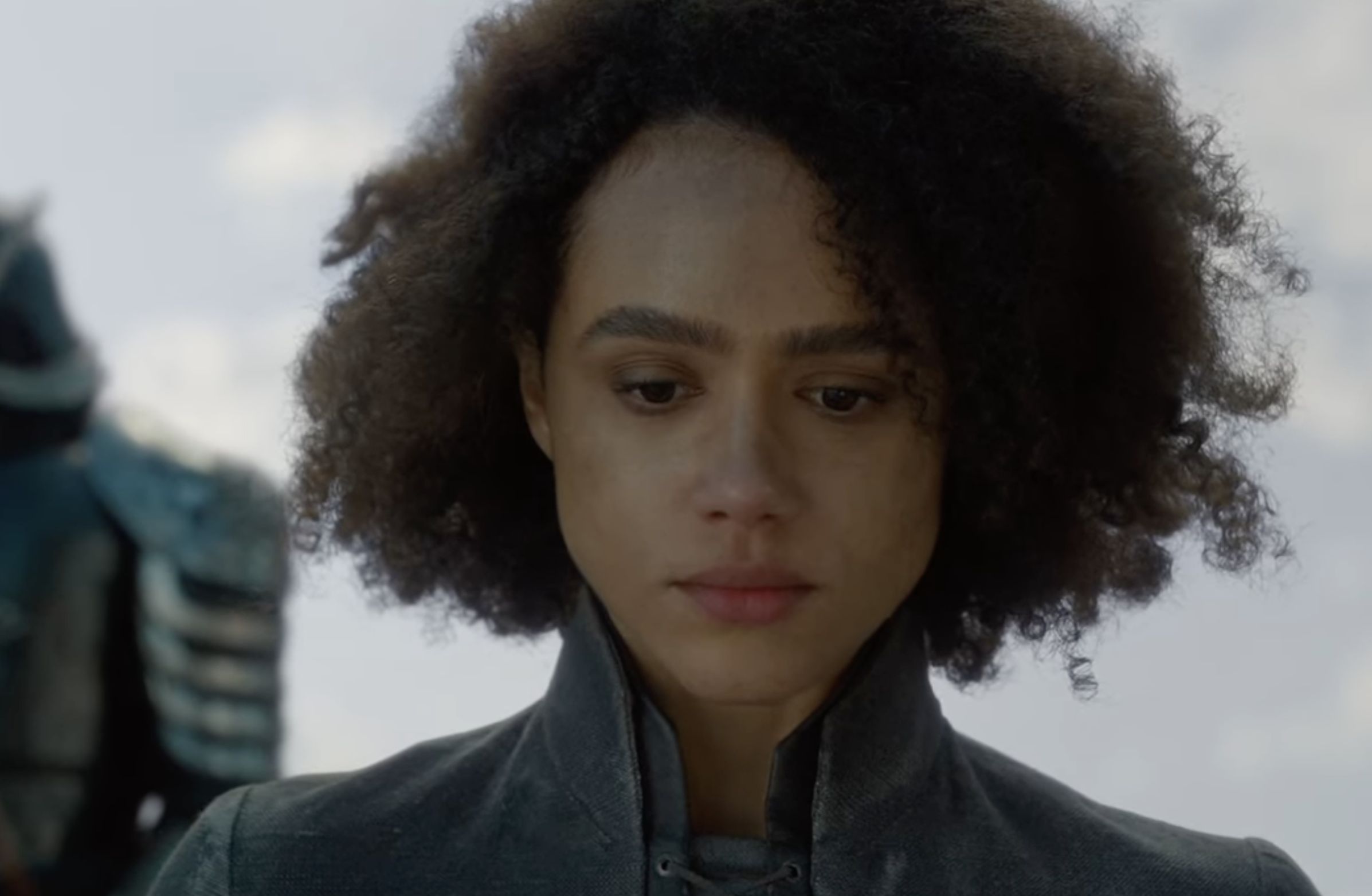
For some, as early as 2013, when the pilot of Game of Thrones was shot, aging up several main characters was one of the biggest changes. In the novels, Missandei is a child, about 10 years old, when she is introduced. The show, however, has her as an adult, which is why Nathalie Emmanuel was cast.
It introduced deeper emotional arcs, including her relationship with Grey Worm. It also avoided some awkward questions and made the character more active, politically and romantically, in plots. The choice is part of a broader pattern in adapting the characters, making them more relatable, more dynamic, and more “watchable” for TV audiences.
2. Simplifying complex plotlines like that of Sansa Stark’s arc
In the novels, Sansa Stark is not married to Ramsay Bolton. Instead, Jeyne Poole, a companion of Sansa’s, is shoved down that plot hole, and Sansa stays in the Vale as a ward of Petyr Baelish. Game of Thrones, the show, alludes to both and then merges the two so that Sansa is caught up in one of the franchise’s most savage storylines.
While contentious, this adaptation gave Sansa a more immediate and potent transformation, turning her from a meek noblewoman to a hardened political player.
3. Omission or consolidation of characters like Jon Connington & others
The books have all kinds of characters that don’t make an appearance on the show. There’s one glaring absence, though, Jon Connington, whose plotline involves developing greyscale while escorting a secret Targaryen heir. Rather, Game of Thrones shifts aspects of John’s arc to Jorah Mormont, who is stricken with greyscale in future seasons.
This consolidation eased the way for the narrative, rather than bringing in an entire new set of subplots late in the series. With only so much screen time to work with instead of sprawling novels, the conflation of characters lets the show keep up the pacing and emotional unity.
4. Tweaking character looks for realism
Book fans will attest to how frequently characters look nothing alike on the page. For example, Daario Naharis has bright blue hair and a gold mustache and dons a more flamboyant dress in line with the culture of Tyrosh. While in the books he is portrayed as a somewhat unusual and extraordinary character, on the television version, he appears as a much more plausible and average man.
Likewise, Targaryens have distinctive violet eyes in the books, which the show notably leaves out. These changes were mostly practical ones. Unlike the rest of the series, which has a high stylized look, realism is a bit more emphasized to make sure the stylized characters wouldn’t look too distracting or silly in live action.
5. The journey of Mance Rayder
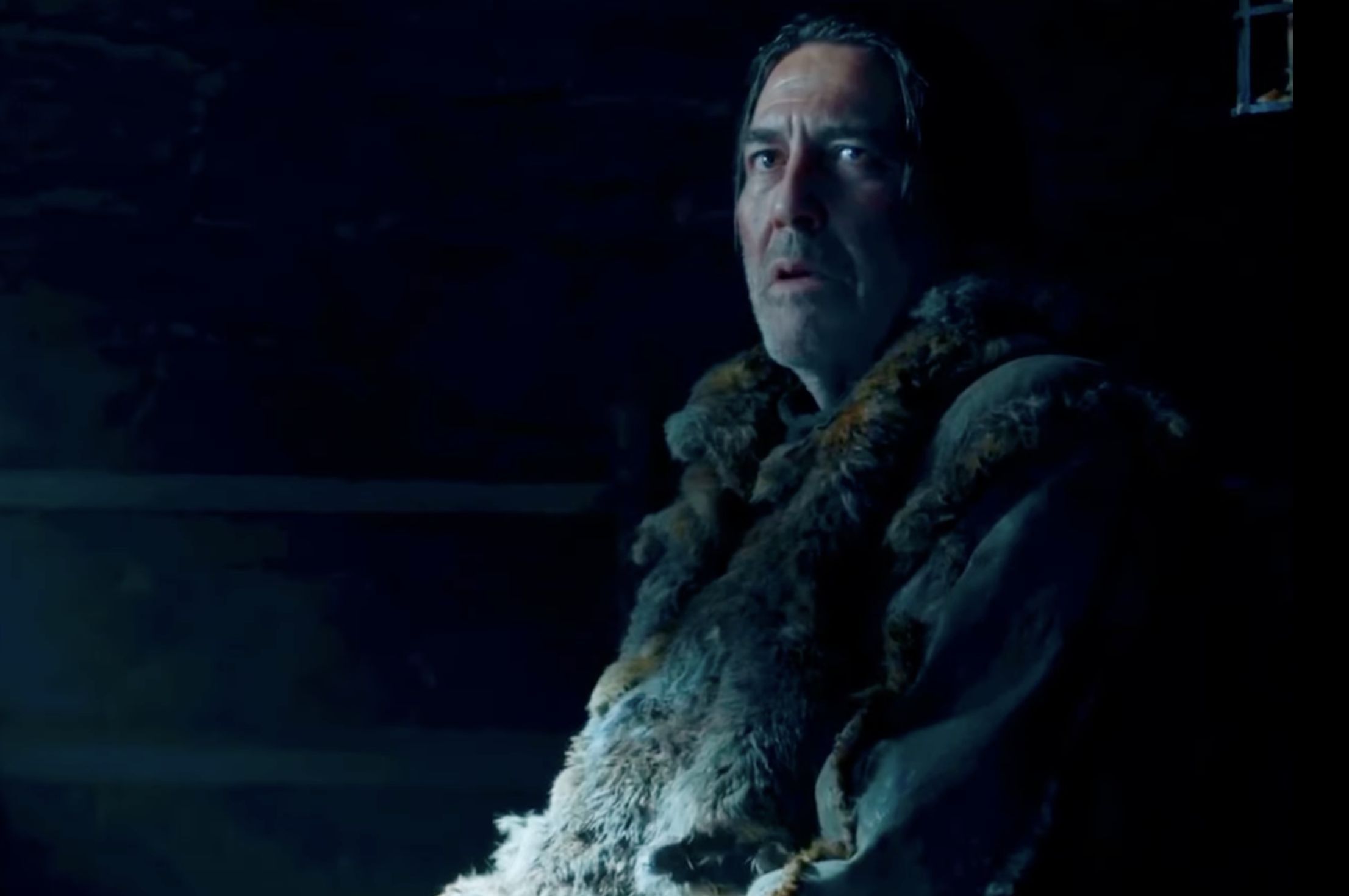
In A Dance with Dragons, Mance Rayder escapes execution by a magical body swap through Melisandre. In the television series, however, he is unquestionably dead.
This is another instance of the series opting for narrative closure rather than complexity. By getting rid of elaborate magical twists, the series produced a more focused and emotionally straightforward story. Similar choices, for example, abbreviating political plot lines or simplifying family tree relations, allowed the narrative to remain accessible to a larger number of viewers.
Altogether, these are typical variations, and although some nuance from the books was lost, the condensed storyline made Game of Thrones easier to follow and more gripping for the casual viewer.
Edited by Priscillah Mueni