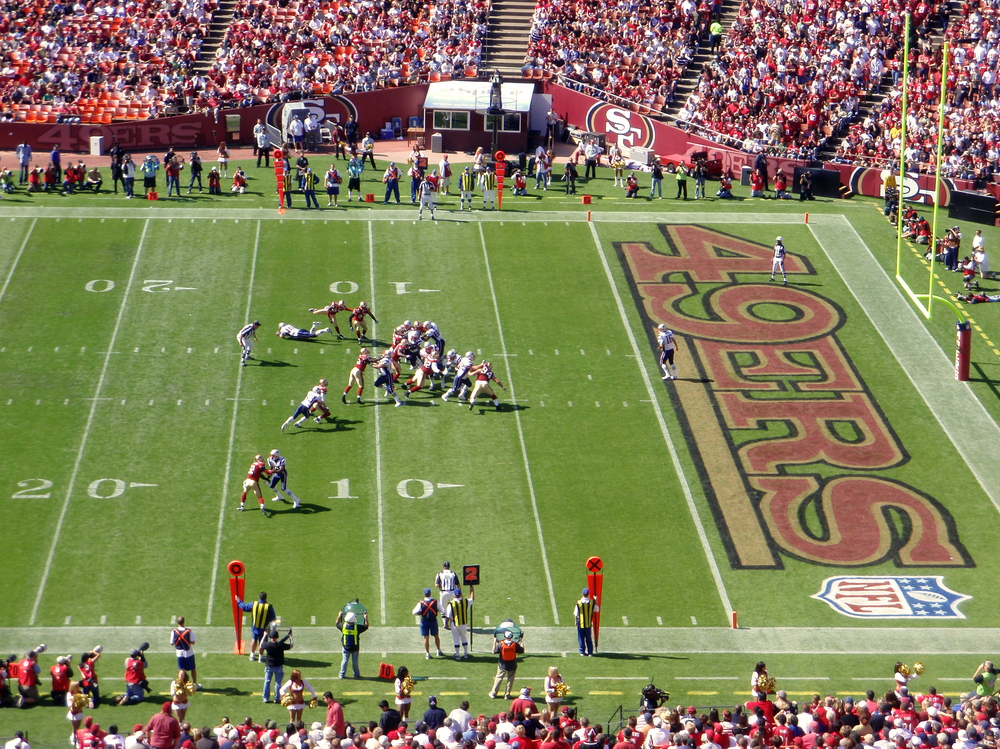
A controversial workers’ compensation bill is dividing the 49ers franchise — and raising bigger questions about athlete rights in California.
The Bill That Put the 49ers on Two Sides of a Fight
When California passed Senate Bill 795, it wasn’t just a policy update — it drew a fault line right through one of the NFL’s most high-profile franchises. The San Francisco 49ers now find themselves in an unusual and uncomfortable position: their players are publicly fighting a bill that their own ownership appears to be quietly backing.
At the heart of the dispute is workers’ compensation — the system that allows employees injured on the job to access financial and medical support. For professional football players, whose careers carry significant physical risk, that system has long been considered a critical safety net. SB 795, however, would substantially narrow the circumstances under which professional athletes can access it.
Under the new law, athletes may only file claims related to occupational disease or cumulative injury. It also exempts teams from liability if a player performs less than 20 percent of their duty days in California during any given year or within the previous 365 consecutive days. Critics say those thresholds are particularly harmful for players dealing with long-term wear-and-tear injuries — the kind that build slowly over a career and rarely surface until long after a player’s final snap.
49ers Players Unite With the NFLPA in Opposition
The response from the 49ers’ players was swift and unified. All 90 players on the roster signed a joint statement with the NFL Players Association, objecting to what they described as an unfair singling out of professional athletes.
The players made clear that they weren’t just fighting for themselves — they were making a broader argument about workplace fairness. Football, they noted, is one of the most physically demanding occupations in the country, and workers’ compensation was designed precisely for high-risk jobs. Their position: no class of worker should be stripped of those protections simply because they play a sport.
The NFLPA echoed that sentiment in a separate statement issued on June 5, calling SB 795 a direct threat to the constitutional rights and legal protections that professional athletes share with every other California worker. The union urged state lawmakers to reject the bill entirely and stand with the players who make the game possible.
California’s Tax Burden Adds Another Layer of Tension
The controversy over SB 795 doesn’t exist in isolation. California already imposes some of the steepest income tax rates on professional athletes in the country. Players earning at the top tier pay a 13.3 percent state income tax rate, while first-year players pay 12.3 percent — dollars that go directly into funding state services, including the workers’ compensation system itself.
That dynamic has sharpened the players’ frustration. The argument, as many see it, is straightforward: if athletes are contributing to the system at the same rate as every other California worker, they should have equal access to its protections. SB 795, in their view, breaks that basic social contract.
49ers Ownership Backs the Bill — Silently, Then Not
While the players and the union have been vocal, the ownership side of the equation has remained largely quiet — but not neutral. Reports have since confirmed that 49ers ownership is backing the legislation, placing the front office in direct opposition to its own roster.
The 49ers are one of three NFL teams based in California, alongside the Los Angeles Chargers and the Los Angeles Rams. None of the three organizations has publicly opposed the bill. California State Senator Laura Richardson, who authored SB 795, has indicated that the California-based NFL franchises — along with other professional sports teams including the San Francisco Giants and the Anaheim Ducks — are aligned in favor of the measure.
The franchise has not responded to the players’ joint statement, a silence that has done little to ease tensions as training camp approaches.
What Comes Next for the 49ers
The rift between players and ownership could have implications that extend well beyond a single piece of state legislation. Workers’ compensation protections directly affect how players manage post-career medical costs and injury-related claims — issues that sit at the core of player welfare conversations across all professional sports.
With the NFL regular season drawing closer, the 49ers enter the coming weeks with more than their on-field performance to resolve. Whether ownership eventually addresses the players’ concerns — or the two sides find themselves further apart — could shape the atmosphere in Santa Clara for months to come.
Source: ESSENTIALLYSPORTS