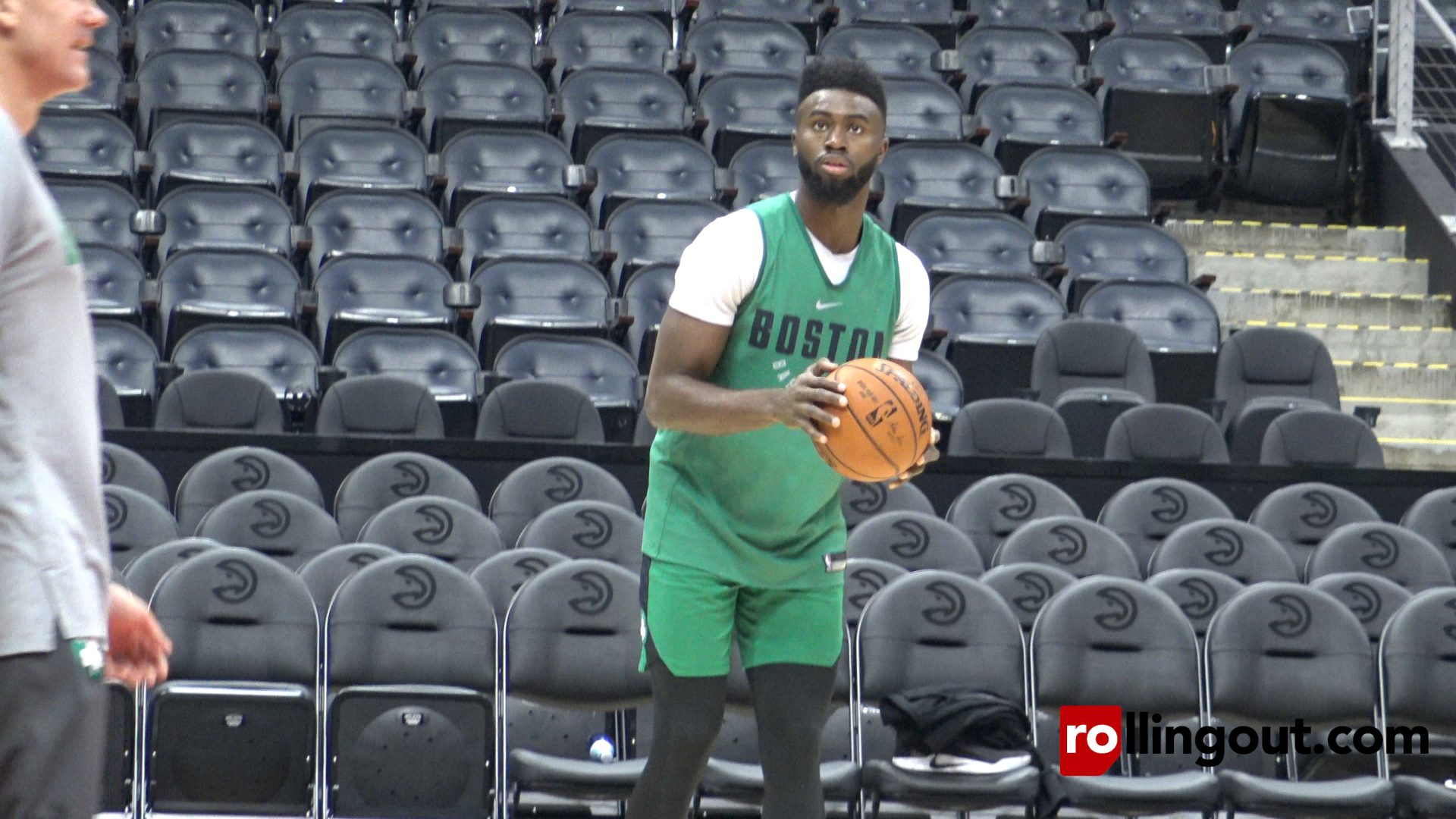
Boston Celtics star Jaylen Brown is pressing for a fundamental shift in how the NBA compensates its players. As franchise valuations skyrocket and media deals generate unprecedented revenue, the forward and National Basketball Players Association vice president is calling for athletes to gain equity stakes alongside team owners—a practice he argues is standard in corporate America but absent from professional basketball.
The 28-year-old made his case during a recent interview, drawing parallels between NBA players and executives at major corporations. Employees at companies like Apple or Nike regularly receive equity packages as compensation for their service and contributions to company growth. Brown sees no reason professional athletes should be treated differently, especially when their performances directly drive the league’s expanding wealth.
The gap between compensation and value creation
Brown points out that players receive salaries for their work but don’t participate in the appreciation of team values. In the corporate world, this arrangement is the norm—employees build wealth alongside ownership. The Celtics star believes the NBA’s collective bargaining agreement fails to reflect the modern landscape where athlete salaries are just one part of a much larger financial ecosystem.
The timing of Brown’s push couldn’t be more relevant. Since the NBPA and owners finalized their most recent collective bargaining agreement in 2023, franchise valuations have reached extraordinary levels. The Boston Celtics sold for $6.1 billion last year, setting a record that barely lasted months before Los Angeles Lakers owner Mark Walter purchased his team for a reported $10 billion valuation. Meanwhile, the league secured new media rights deals in 2024 worth approximately $76 billion over 11 years with Disney, NBCUniversal and Amazon.
Building ownership from the ground up
Rather than simply advocating from the sidelines, Brown has already begun constructing his own business empire. He launched 741, his own shoe company, after his contract with Adidas ended in 2021. The move cost him roughly $50 million from the remaining deal, but Brown prioritized creative control and personal values over maximizing endorsement income. For him, autonomy matters more than additional zeros on a check.
Beyond footwear, Brown established BostonXChange in 2024, a nonprofit focused on building wealth in communities often left behind by mainstream economic opportunity. The initiative grew from his desire to reinvest in Boston after signing a five-year, $303.7 million contract extension with the Celtics. The program provides grants up to $100,000 to underserved entrepreneurs and small business owners, with an ambitious goal of generating $5 billion in generational wealth for communities of color in the Boston area.
Brown has long cited Federal Reserve data showing the median net worth of US-born Black residents in Boston was $8 compared to nearly $250,000 for white residents—a disparity that fuels his philanthropic work. He aims to recreate the economic model of Black Wall Street, the Tulsa, Oklahoma community destroyed during a 1921 racial massacre.
Vision for player-owned franchises
Brown has explored an even more ambitious concept: creating an NBA expansion team owned collectively by current and former players, potentially including their WNBA counterparts. While players currently lack sufficient leverage to make this happen, Brown suggests circumstances may shift over time. He credits fellow NBPA leader Andre Iguodala with originally proposing the idea.
The Celtics star has also expanded BostonXChange to California’s Bay Area through a partnership with former NBA player and Dallas Mavericks coach Jason Kidd. Oakland XChange operates under the same mission of supporting minority entrepreneurs and helping them establish successful businesses in their home communities.
On-court excellence amid broader advocacy
Brown’s business and philanthropic pursuits happen alongside a career-defining basketball season. He currently ranks among the league’s scoring leaders and has drawn comparisons to his 2024 Finals MVP performance. With teammate Jayson Tatum sidelined by an Achilles injury, Brown has carried increased offensive responsibility while maintaining his defensive standards.
His continued excellence on the court, combined with his work off it, positions Brown as one of basketball’s most consequential voices on issues of economic opportunity and player empowerment. Whether the NBA ultimately embraces player equity remains uncertain, but Brown’s actions suggest he’s building a path forward regardless of whether league leadership follows.