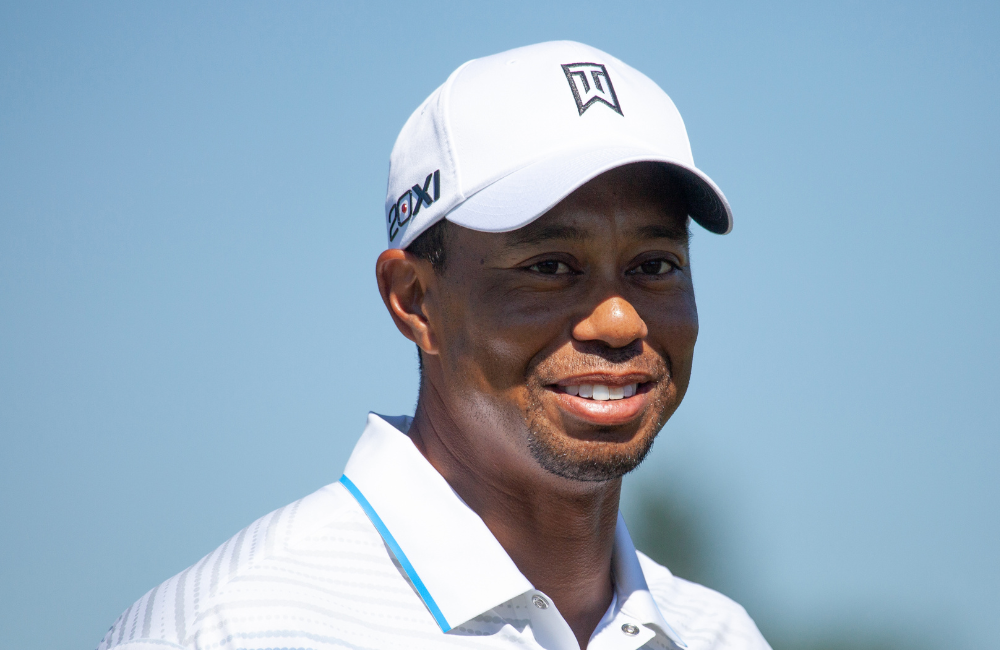
Facing his second DUI case in less than a decade, Tiger Woods is leaning on a familiar legal playbook, and the attorney who helped him navigate the last one is back in his corner.
When the moment came to respond formally to the criminal charges stemming from his rollover crash last Friday, Tiger Woods made two decisions that together signal he is taking this situation with complete seriousness. The golf legend entered a not guilty plea in his DUI case and retained Douglas Duncan, the prominent Florida criminal defense attorney who stood beside him the last time he found himself on the wrong side of a traffic stop in the Sunshine State. For Woods, this is not unfamiliar territory. For the people watching, it is impossible not to notice that the strategy from 2017 is being dusted off and put back into play.
The attorney who has been here before
Douglas Duncan is not a name most sports fans would recognize, but within Florida’s criminal defense community he carries significant weight. He was the attorney of record when Jupiter police found Woods asleep at the wheel of his running vehicle in 2017, a night that ended with a toxicology report confirming the presence of five substances in Woods’ system, including hydrocodone. Duncan guided Woods through that case with a result that, in legal terms, was about as favorable as a defendant could reasonably hope for.
Woods was initially hit with three misdemeanor counts in the 2017 case, covering DUI, reckless driving and improper stopping. Under Duncan’s representation, he ultimately pleaded guilty to the reduced charge of reckless driving, entered a DUI diversion program, served 12 months of probation and completed 50 hours of community service. The DUI charge itself did not stick. That outcome represents the kind of resolution defendants pay for when they hire lawyers with Duncan’s particular skill set.
Court records confirm Duncan has already been listed as attorney of record in the new case and filed a waiver of Woods’ presence at pretrial conferences on Tuesday, meaning Woods was not required to appear in person for those early procedural proceedings.
What Woods is actually facing this time
The charges filed following the March 27 crash in Hobe Sound, Fla., are two in number. The first is DUI with property damage, stemming from the collision between Woods’ black Range Rover and a pickup truck that had slowed to turn into a driveway on Beach Road. The second is refusal to submit to a lawful test, a charge that arose when Woods declined to provide a urine sample following his arrest. He did submit to a breathalyzer at the jail, which returned a 0.00 result on both samples.
The arrest affidavit paints a detailed and concerning picture of the moments following the crash. Deputies noted that despite sitting in a vehicle with cool air circulating, Woods was sweating heavily. His movements were described as slow and lethargic, and when he removed his sunglasses, officers observed bloodshot and glassy eyes with extremely dilated pupils. Two loose white pills identified as hydrocodone were found in his left pants pocket during a search. Woods told deputies he had taken his prescription medication earlier that morning but had not consumed alcohol or any illegal substances.
He explained that the crash occurred because he was looking down at his phone to change the radio station and did not register that the truck ahead of him had slowed until it was too late. He failed multiple field sobriety tests at the scene, though his attorneys will likely argue that his extensive surgical history, seven back procedures and more than 20 operations on his leg, complicates any standard interpretation of those results.
What comes next?
Woods has a court hearing scheduled for next month, and the case is still in its early stages. The not guilty plea is a standard opening position in criminal proceedings and does not signal how the case will ultimately resolve. What it does signal is that Woods intends to contest the charges and is doing so with legal representation that has successfully navigated this specific terrain for him before.
Whether the 2026 case follows the same arc as the 2017 one remains to be seen. The circumstances are meaningfully different this time. There was a collision, there was property damage, and there is a charge tied specifically to his refusal to provide a urine sample. Duncan has work to do, but he has been here before.
Story credit: TMZ