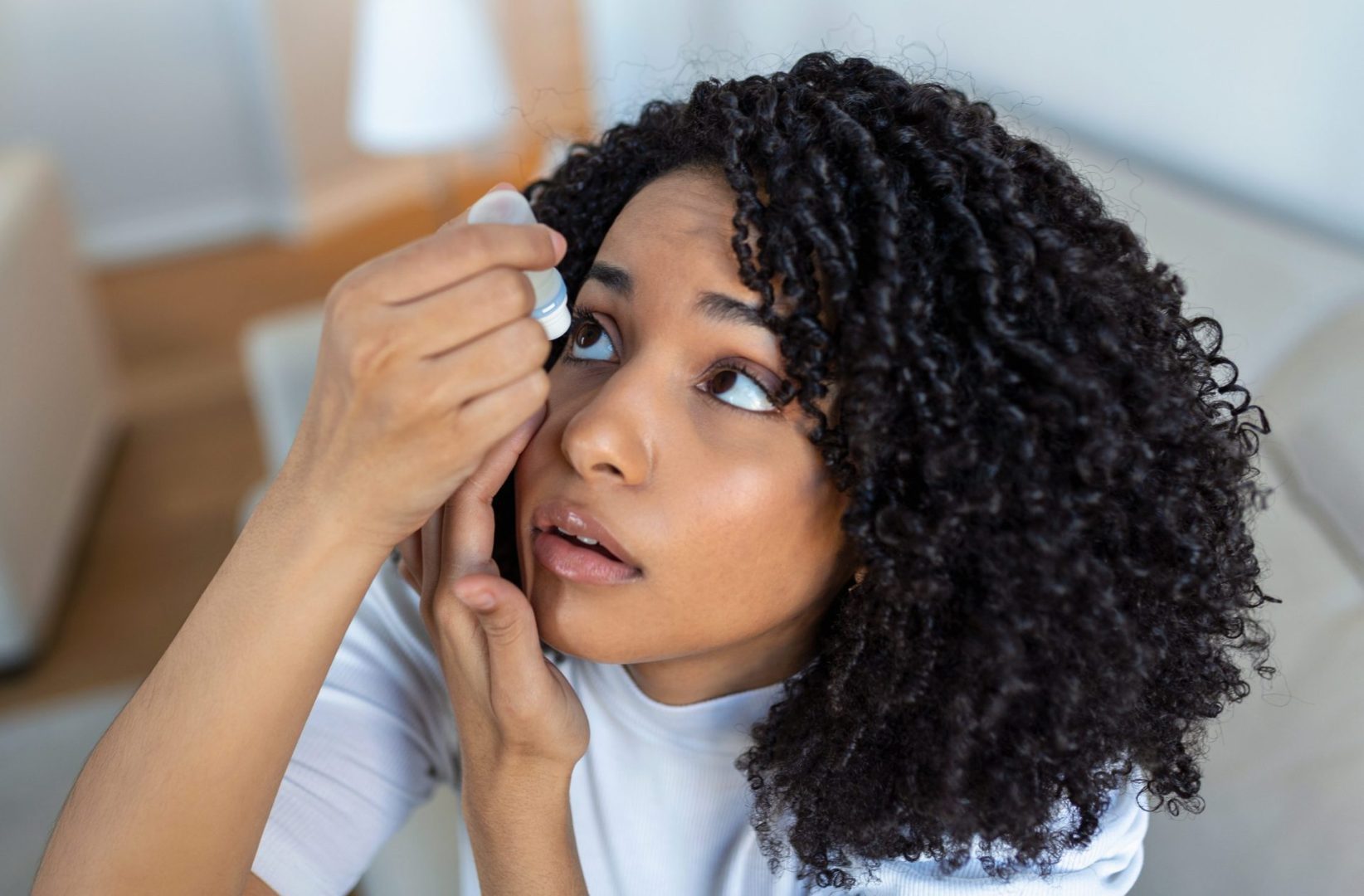
A California pharmaceutical company has voluntarily pulled more than 3.1 million bottles from store shelves nationwide after failing to guarantee product sterility during manufacturing
A California pharmaceutical company is at the center of a major nationwide recall affecting millions of eye drop bottles sold at some of the country’s most widely recognized retail chains.
K.C. Pharmaceuticals, Inc., based in Pomona, California, voluntarily recalled more than 3.1 million bottles of eye drops after the company could not guarantee the sterility of its products during manufacturing. The U.S. Food and Drug Administration classified the action as a Class II recall, a designation that indicates exposure to the product may cause temporary or reversible health problems but is unlikely to result in serious long-term harm. The recall was first initiated on March 3 and officially classified on March 31.
Which 8 products are affected
The recall spans eight eye drop products across several brand labels and bottle sizes, many of which are store-brand or generic versions found at major retailers nationwide. The eight recalled products are:
- Sterile Eye Drops AC (approximately 182,000 bottles)
- Eye Drops Advanced Relief (approximately 303,000 bottles)
- Dry Eye Relief Eye Drops (approximately 1,024,000 bottles)
- Ultra Lubricating Eye Drops (approximately 245,000 bottles)
- Sterile Eye Drops Original Formula (approximately 378,000 bottles)
- Sterile Eye Drops Redness Lubricant (approximately 315,000 bottles)
- Sterile Eye Drops Soothing Tears (approximately 74,000 bottles)
- Artificial Tears Sterile Lubricant Eye Drops (approximately 590,000 bottles)
Most of the affected lot numbers carry expiration dates extending through May or October 2026, meaning many bottles may still be in active use or sitting on store shelves.
Where the recalled products were sold
The affected eye drops were distributed through a broad network of major retailers and pharmacy chains across the United States. Products reached consumers through Walgreens, CVS, Rite Aid, Kroger, H-E-B, Publix, Meijer and Harris Teeter, as well as discount retailers like Dollar General and convenience chains including Circle K. Wholesale and institutional distributors such as Cardinal Health, McKesson, Leader and Equaline were also part of the distribution chain. Military Exchanges were among the distribution points as well, meaning the reach of this recall extends well beyond traditional pharmacy aisles.
What the sterility concern actually means
The central issue here is not a confirmed report of contamination in any specific bottle. Instead, K.C. Pharmaceuticals was unable to verify that its production process fully prevented the introduction of infection-causing microbes into the products. For consumers, that distinction matters: the products may be safe, but the standards required to confirm their safety were not reliably met during manufacturing.
The FDA has not reported any confirmed infections or adverse health events linked to these specific products. Health officials are urging consumers not to take chances, however, given the potential for microbial contamination in eye care products that are applied directly to a sensitive and vulnerable part of the body.
What you should do right now
Anyone who has recently purchased eye drops should check the brand name and lot number on the bottle against the complete list available on the FDA’s enforcement report page. If the product matches a recalled lot, stop using it immediately.
Major retailers involved in the distribution are expected to honor returns or exchanges for affected bottles. The FDA has not yet outlined a formal refund process from the manufacturer, but consumers can bring recalled products back to the place of purchase. Anyone who has already used the drops and is experiencing eye pain, unusual redness or changes in vision should contact an eye doctor or healthcare provider promptly.
A pattern of concerning eye drop recalls
This latest recall is part of a broader pattern of eye care product safety concerns that has emerged in recent years. Earlier in 2026, a separate eye drop recall was issued after glass-like particles were discovered inside the products. In 2025, another recall was connected to unsafe manufacturing practices at a different facility. And in late 2024, the FDA flagged yet another product line over possible contamination with fungus capable of causing serious vision damage.
The frequency of these recalls highlights the importance of regularly checking the FDA’s enforcement database and staying alert to product safety notices, particularly for products applied directly to the eye.