A Black mother’s harrowing delivery room standoff with Florida’s legal system exposes deep fractures in maternal healthcare and patient autonomy.
Cherise Doyley had a plan. After three previous cesarean sections, one of which left her with serious complications, she was adamant about delivering her fourth child vaginally. She told her medical team at the University of Florida Health in Jacksonville exactly what she wanted and made clear that a C-section would only be considered if vaginal delivery failed entirely.
Twelve hours into labor, her doctors shifted their position. Citing concerns about uterine rupture, a rare but serious complication, they pushed for surgical intervention. Doyley pushed back. What followed was something few people could imagine happening in an American hospital.
A tablet was wheeled into her room. On the screen: a Florida judge, a panel of attorneys, and a team of doctors, most of them white. The state was seeking a court order to perform a C-section against her will. Doyley, still in active labor, stared at the screen in disbelief.
Doyley’s three hours in a virtual courtroom
The hearing lasted three hours. Doyley held her ground throughout, telling the court that the risk of uterine rupture during vaginal delivery was under 2% and that her situation did not meet the threshold for a medical emergency. She was articulate, informed, and deeply unsettled by what was happening around her.
Judge Michael Khalil ultimately declined to order the procedure immediately, ruling that surgery could only proceed if a true emergency developed. The ruling felt like a partial win. It wasn’t.
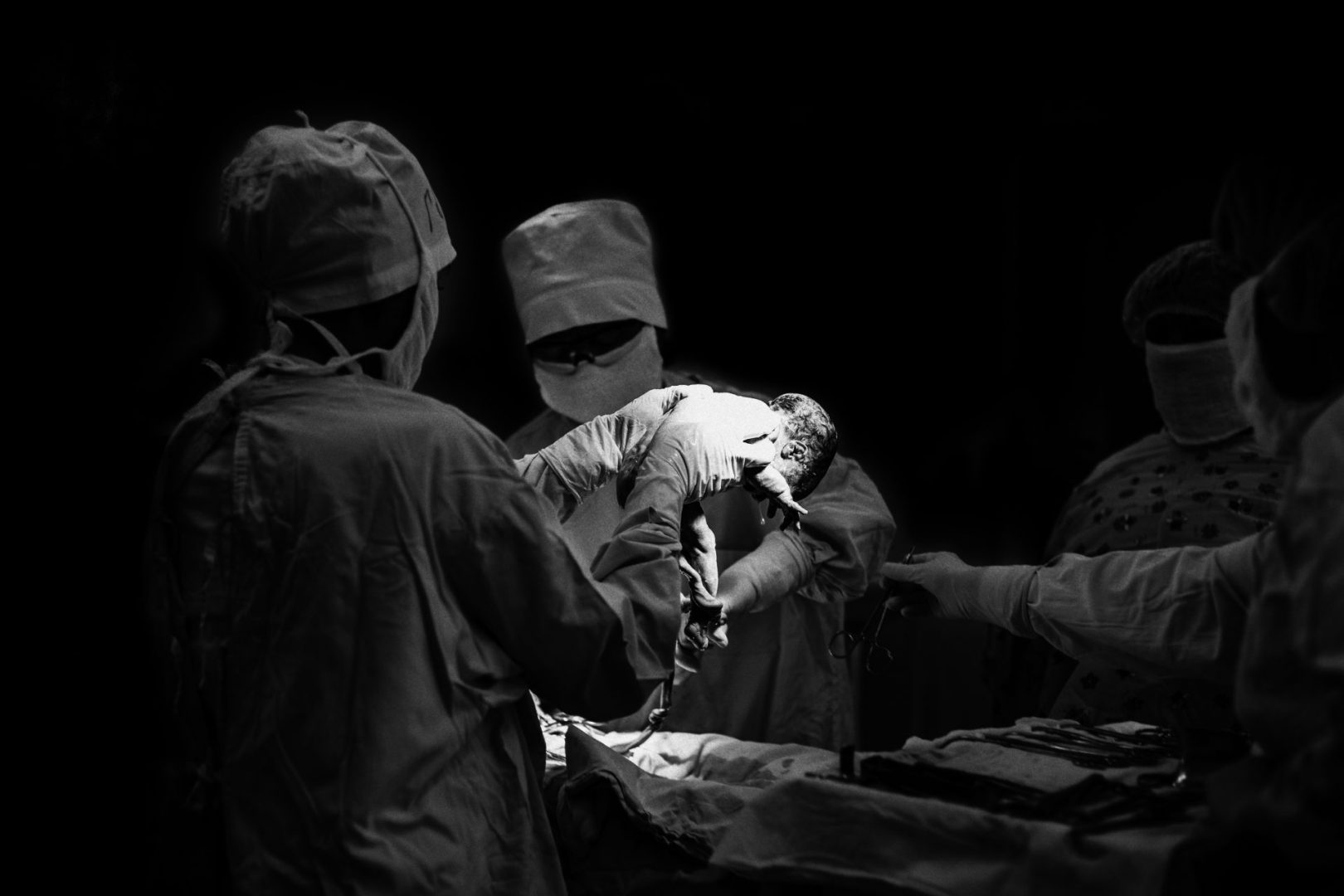
Shortly after the hearing ended, the baby’s heart rate dropped. Doyley was taken into surgery. Her daughter was born via C-section.
The following morning, before she had held her newborn, who was in the neonatal intensive care unit, hospital staff brought her back into another virtual hearing. She refused to engage. She wanted to see her child. The case was dismissed once the court confirmed the birth had already occurred.
Race and the delivery room
Doyley raised the issue of race directly during the hearing, asking whether any Black doctors were on staff and requesting a transfer to another facility. Her frustration was not abstract. Black women in the United States die from pregnancy-related complications at roughly three times the rate of white women, a gap that researchers have tied to systemic bias, inadequate pain management, and dismissal of patient concerns.
Doyley’s request was not accommodated. Her observations about the composition of the room, and what that meant for how her concerns were received, went largely unaddressed.
Florida’s fetal personhood laws and their reach
Her case did not happen in a vacuum. Florida’s fetal personhood legislation, which extends legal rights to unborn children from conception, has quietly expanded the state’s ability to intervene in pregnancy-related medical decisions. Patient advocates and legal experts have flagged the practical consequences: pregnant people, particularly those without legal representation or institutional support, can find their medical decisions subject to judicial review in real time.
Forced cesarean cases in Florida have drawn increasing scrutiny. Doyley’s experience put a human face on what had largely been a policy debate.
Months after her daughter’s birth, Doyley described the experience as something close to torture. Not the surgery itself, but the process of being compelled into a procedure through a legal mechanism while her body was doing something extraordinary and vulnerable.
Her story is specific to her. It is also, in many ways, not about her alone.
Videocredit:/youtube:
Indisputable with Dr. Rashad Richey